
Structuring voice AI systems for automated lead qualification
Learn how integrating conversational voice AI into agency workflows automates lead qualification, speeds up response times, and expands recurring revenue.
By Charles Higgins · 5 min read
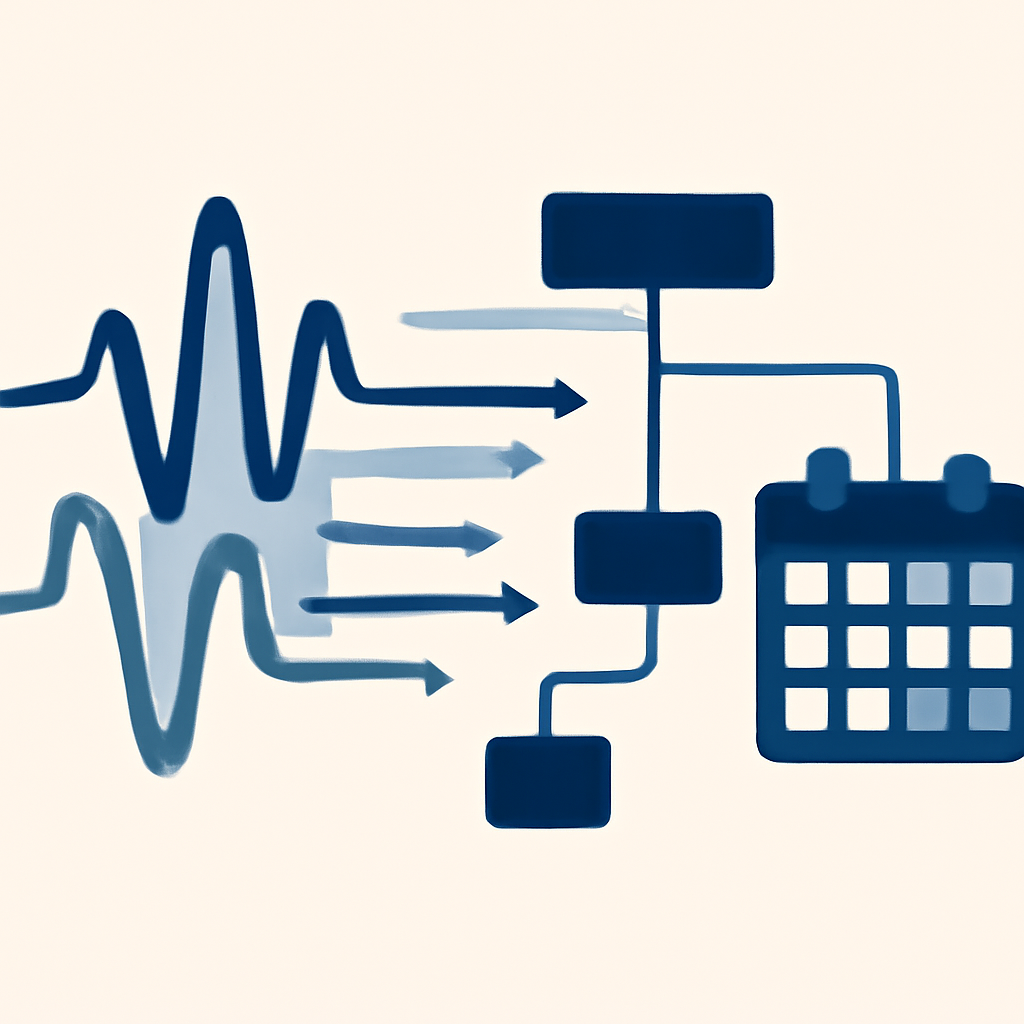
Lead acquisition often breaks down at the first point of contact. When prospects call a business or request a callback, delayed response times directly degrade conversion rates. Integrating conversational voice artificial intelligence into CRM systems addresses this operational friction by conducting natural, automated spoken interactions to route and screen leads instantly.
Rather than relying on basic touch-tone interactive voice response (IVR) keypads, modern voice agents process spoken language, answer common pre-sales questions, and execute CRM updates in real time based on conversation context. For agency operators, implementing automated voice infrastructure solves critical response bottlenecks for local client accounts while creating durable retainer-based service offers.
Operational Value of Conversational Voice Agents
Traditional inbound phone handling presents an inefficient tradeoff: either employ dedicated staff to monitor calls continuously, or accept missed inquiries and slow follow-up windows. Automated voice tools neutralize this tradeoff by taking immediate incoming calls, filtering irrelevant solicitations, and categorizing prospect intent standardly across all hours.
When properly structured within platform workflows, a voice assistant functions as an automated frontline qualification rep. It assesses caller inputs against customized criteria, populates field values, and pushes qualified entries directly to active pipeline stages.
- Immediate call answering to prevent lead decay during off-hours or peak traffic
- Consistent lead screening that protects internal sales teams from unqualified calls
- Direct calendar synchronization for immediate appointment scheduling within the CRM
Steps for Deploying a Voice AI Qualification Flow
Deploying an effective voice system requires logical mapping prior to activating live phone routes. Unstructured system prompts frequently cause circular dialogue and elevated drop-off rates. Operators must construct clear decision branching and establish clear handoff criteria.
- Define primary call objectives, specifying whether the interaction should result in direct booking, detailed intake collection, or targeted routing.
- Draft concise system prompts that instruct the voice agent on business bounds, conversation tone, permitted knowledge base data, and required questions.
- Configure integration nodes to record metadata, transcripts, and custom field values directly to the contact record post-call.
- Set up explicit fallback triggers to instantly transfer complex scenarios or high-value leads to live human staff.
System prompts should prioritize brevity and single-question cadence. Asking callers for multiple data points simultaneously degrades comprehension and increases response latency.
Positioning Voice Automation as an Agency Offering
Agencies expanding their core service packages can position voice automation as a high-value operational solution. Local service enterprises, home contractors, medical clinics, and professional firms regularly lose deal velocity due to unhandled phone volume.
Rather than presenting voice AI purely as a software feature, frame the service around business metrics: reduced missed-call volumes, lower cost-per-qualified-lead, and higher appointment completion rates.
- Implementation fees covering custom conversation mapping, system integration, and call routing configuration
- Monthly recurring management fees for prompt testing, workflow optimization, and reporting maintenance
- Usage margin structures where voice processing minute allocations are bundled directly into ongoing client software packages
Managing Escalations and Quality Control
Automated voice technology works best when designed to complement existing team workflows, not isolate callers entirely. Maintaining operational reliability requires routine transcript sampling and active performance monitoring.
Auditing automated conversations on a weekly basis allows operators to identify recurring drop-off points, update prompt instructions, and fine-tune latency parameters. Setting up instant notification triggers when agents fail to interpret caller intent guarantees prompt human intervention before lead intent cools.
Need help applying this to your account?
Ask inside Nexus Hub — Charles is live Mon, Wed and Fri.
Extendly Boss AI Bootcamp, how to build an AI team inside your agency
AI vs. Human Account Management: Defining the Operational Boundary
Voice AI Pre-Deployment QA: A 30-Point Testing Framework for Agencies
Charles Higgins · Founder & Host, Nexus Hub
Charles is the founder of Pinnacle AI and a SaaSpreneur Gold Award winner. More about Charles
How this was researched, tested, and corrected: Nexus Hub editorial standards. Spotted an error? Report it and we will check it.
Nexus Hub is an independent community and educational resource. It is not affiliated with, endorsed by, or sponsored by HighLevel.