
Preparing Your Infrastructure for Software-as-a-Service Operations
Transitioning an agency to recurring platform subscriptions requires careful planning across account hierarchy, provisioning workflows, billing architectures, and feature permissions.
By Nexus Hub editorial · 6 min read
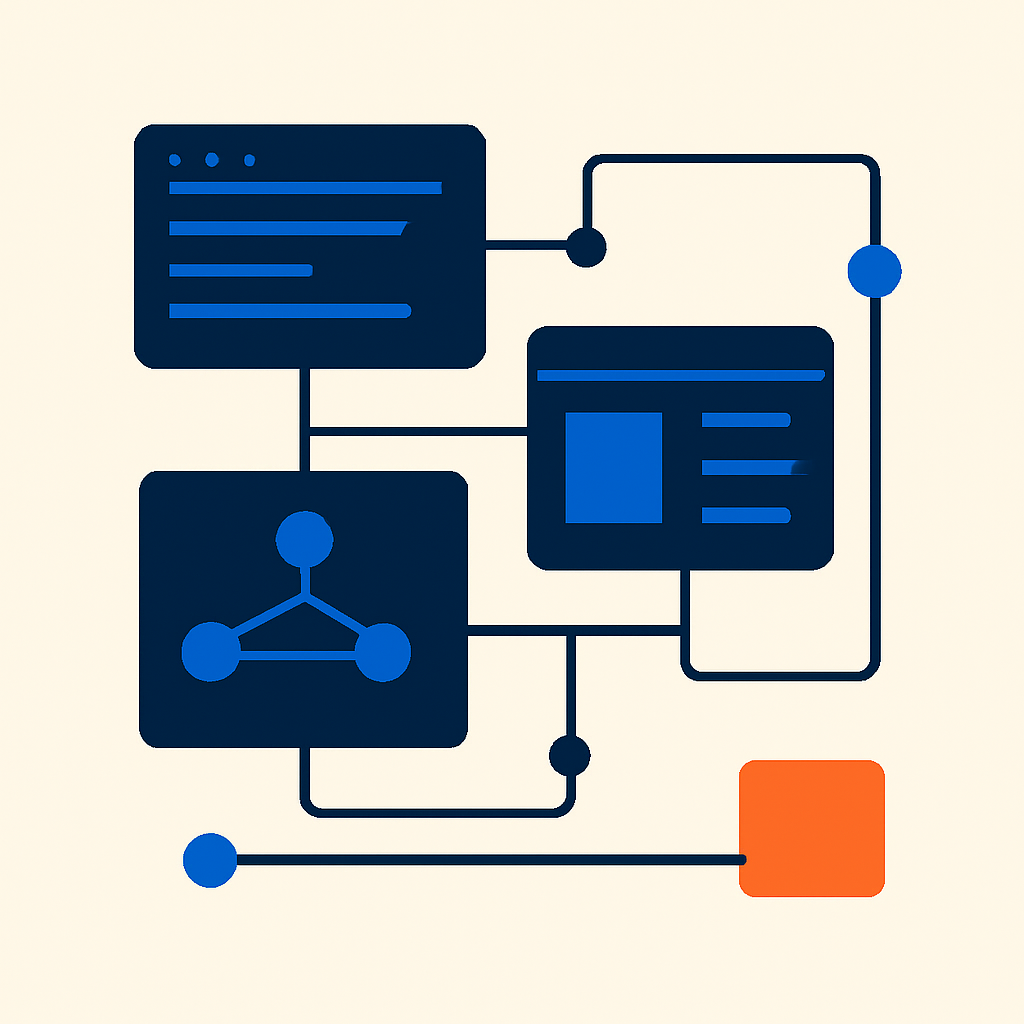
Transitioning an agency from high-touch service delivery to recurring platform subscriptions shifts the core business model from billing for hours to billing for system access. When packaging platform capabilities—such as customer relationship management, automated messaging, and appointment scheduling—into self-contained software packages, operational success depends heavily on the underlying architecture established before the first customer checks out.
Turning platform access into a productized service requires deliberate choices around system hierarchy, template maintenance, payment processing, and support boundaries. Turning on automated provisioning without these structural elements in place often creates manual overhead that undermines the efficiency of a software offer.
Selecting a Billing Framework and System Architecture
A foundational technical decision involves choosing the billing architecture that governs subscription lifecycle events. Depending on the system setup, billing records may be managed directly within Stripe (V1 architecture) or managed directly through a designated agency operations sub-account (V2 architecture). This choice dictates how subscriptions, invoices, payment retries, and usage-based features are tracked and rendered.
Selection of billing architecture should be driven by your accounting infrastructure and reporting requirements rather than standard templates. Changing architectures post-launch requires manual account migration.
Clean account isolation is equally critical. Agency owners must maintain a strict separation between internal administrative operations and customer-facing workspaces. Managing agency marketing within a sub-account reserved for billing management or client templates introduces data confusion and increases security risks when configuring staff permissions.
Structuring Product Tiers and Template Snapshots
Configuring subscription plans requires defining clear boundaries between pricing tiers. Rather than publishing numerous variations, successful operations generally start with two or three clearly differentiated tiers based on feature complexity and user access level.
The operational engine of automated provisioning is the master snapshot—a reusable blueprint containing the pre-configured assets necessary for a client's workspace to function immediately upon creation.
- Standardized sales pipelines with defined stage parameters
- Custom fields tailored to the target vertical's data collection needs
- Pre-built appointment calendars linked to baseline availability settings
- Automated response workflows for instant lead notification and follow-up
- Baseline messaging templates for email and text communications
Maintain master snapshots in dedicated, isolated master sub-accounts. Never make live edits inside accounts actively serving end-users. Updating source templates systematically ensures that future account deployments remain consistent and clean.
Automating Provisioning and Managing Usage Overhead
Automated provisioning connects payment processing to workspace generation. While software tools can automatically create sub-accounts and deploy snapshots upon successful checkout, the customer onboarding workflow still requires deliberate orchestration.
- Payment authorization and subscription creation in the billing gateway
- Automatic generation of the target sub-account and snapshot deployment
- Application of plan-specific feature permissions and user seat limits
- Dispatch of system credentials and automated onboarding intake forms
- Verification of domain settings, phone number registration, and integrations
In addition to base subscription pricing, software offers often involve variable usage costs, including telephony, messaging, and automated artificial intelligence tokens. Platforms allow agencies to rebill these usage fees directly to the client account. Setting appropriate margins on variable consumption ensures that heavy usage does not erode the monthly baseline profit.
Defining Support Boundaries and Lifecycle Testing
Selling platform subscriptions creates an ongoing expectation of system stability and technical support. Operators must explicitly define support boundaries prior to launch. A self-service subscription model expects clients to manage their own settings, whereas an assisted or fully managed model includes hands-on technical assistance, workflow tweaks, and account maintenance.
Before opening subscriptions to the public, operators should rigorously test the end-to-end customer journey across both standard and edge cases. Verification must include testing successful payments, card declines, subscription upgrades, tier downgrades, and account cancellations to confirm that feature locks and access permissions update correctly.
Thoroughly document internal operational procedures, snapshot configurations, and troubleshooting steps. Clear documentation ensures team members can manage account provisioning and support tickets without relying on key personnel.
Need help applying this to your account?
Ask inside Nexus Hub — Charles is live Mon, Wed and Fri.
Architecting a Scalable HighLevel White-Label Setup for Agencies
Structuring HighLevel Conversation Filters for Agency Inbox Efficiency
How to Manage Call Geo Permissions to Protect Agency Telecom Billing
Nexus Hub editorial
How this was researched, tested, and corrected: Nexus Hub editorial standards. Spotted an error? Report it and we will check it.
Nexus Hub is an independent community and educational resource. It is not affiliated with, endorsed by, or sponsored by HighLevel.