
How to pilot HighLevel conversation AI across agency subaccounts
Deploying AI assistant workflows requires structured testing, tight CRM integration, and strict guardrails to convert inbound lead activity into booked opportunities.
By Charles Higgins · 5 min read
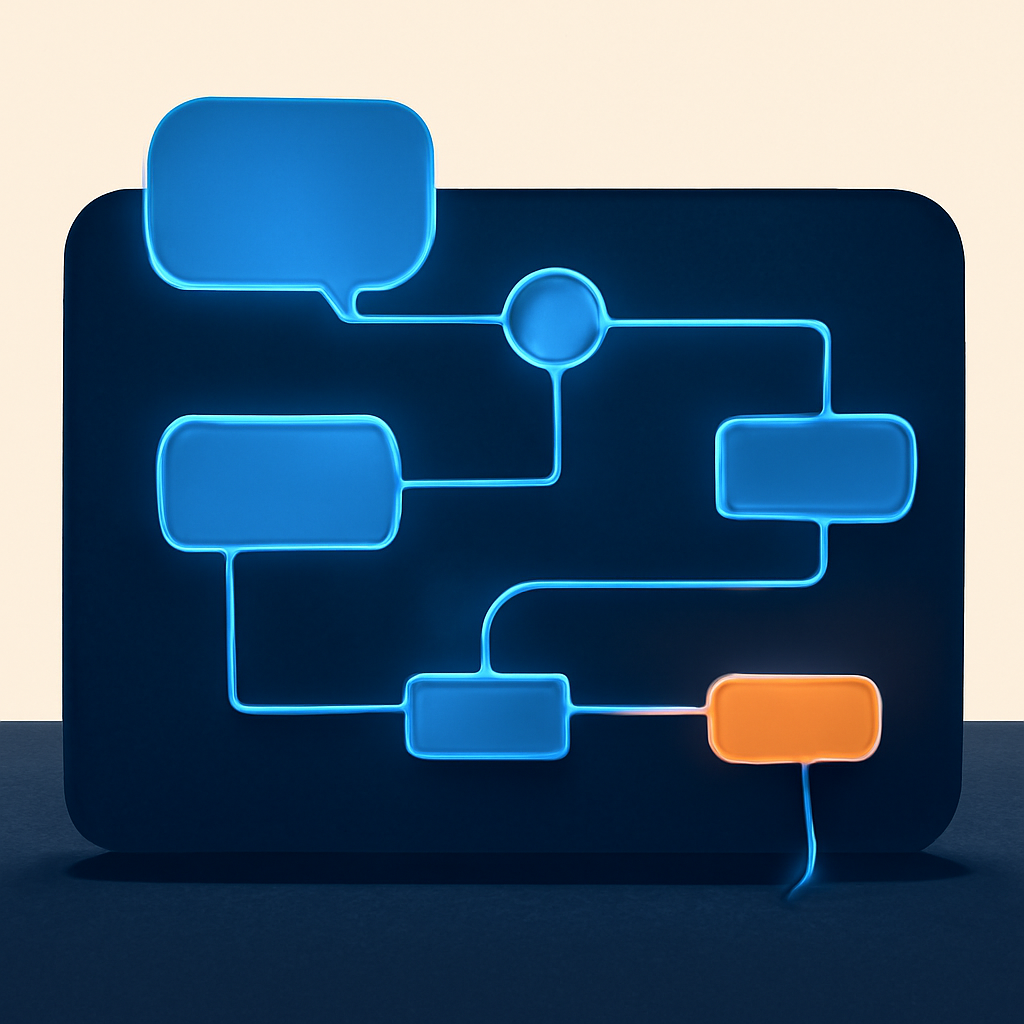
Deploying automated conversational tools often sounds straightforward until live prospects start interacting with the system. While many agency owners recognize the potential of conversational AI to handle initial lead engagement, implementations frequently stall due to a lack of clear operational boundaries, unmapped messaging flows, and missing human handoff protocols.
To turn automated messaging into a functional business asset, operators must approach deployment as a structured systems build rather than a simple feature toggle. Evaluating conversational features inside active subaccounts requires defined metrics, disciplined guardrails, and seamless integration with existing CRM pipelines.
Defining Clear Scope for Conversational AI Pilots
The primary reason automated chat deployments fail is over-scoping. Attempting to train an AI model to handle complex multi-step sales calls, nuanced support tickets, and pricing negotiations all at once creates predictable points of failure. Successful implementations start with a narrow, high-volume use case where response speed directly impacts conversion rates.
- Inbound speed-to-lead engagement for new web form submissions and incoming SMS inquiries.
- Qualification filters designed to answer basic criteria before routing to an account manager.
- Automated scheduling assistance focused strictly on booking open calendar slots.
- Database re-engagement campaigns targeting cold contacts with simple conversational prompts.
By limiting the initial mandate to a single objective, agencies can easily audit conversation logs, adjust prompt parameters, and ensure the system maintains the brand's expected tone without misinforming prospects.
Integrating Conversational Messaging into Core CRM Pipelines
An AI communication layer should never exist in isolation. Its value depends entirely on how effectively it communicates with the underlying CRM and automated workflow engine. When an inbound contact responds to a message, that interaction must trigger state changes within the opportunity pipeline.
- Contact fills out a lead form or sends an initial text inquiry.
- The conversational agent initiates engagement within seconds, executing an established prompt sequence.
- As key information is extracted from the dialogue, custom field values update automatically in the contact record.
- Once the prospect expresses explicit intent to speak with a human or book a call, the workflow updates the pipeline stage and alerts the assigned sales representative.
- If the contact stalls or stops responding, secondary nurture workflows resume to maintain momentum.
This closed-loop architecture ensures that messaging directly drives pipeline progression rather than creating detached chat logs that manual operators must constantly review.
Structuring a 30-Day Evaluation Framework for Subaccounts
When testing conversational tools inside a live subaccount, operators need a structured framework to determine whether the feature delivers measurable business ROI. A 30-day evaluation window provides sufficient time to collect conversation data, refine prompts, and measure pipeline impact.
Always establish a clear protocol for human intervention. If an automated assistant receives an unrecognized query or detects negative sentiment, the system should instantly pause automated replies and assign a high-priority task to a team member.
During the pilot period, focus on tracking three primary operational indicators: average time to first response, lead-to-appointment conversion percentages, and the percentage of conversations that require manual intervention. Reviewing these metrics weekly allows operators to isolate misconfigurations early and refine system behavior.
Standardizing Deployment Across Client Accounts
For agencies managing multiple subaccounts, custom-building conversational setups for every client creates unnecessary overhead. Once a core messaging workflow proves successful in a single test environment, the goal shifts to packaging that setup into a repeatable framework that can be cloned across similar client niches.
- Maintain pre-configured snapshot templates containing standardized prompt architectures and tags.
- Document clear onboarding checklists covering field mappings, business hour settings, and notification paths.
- Establish baseline prompt guidelines that allow client-specific details like pricing ranges or service areas to be plugged in without changing logic.
- Conduct bi-weekly quality audits across accounts to analyze edge cases and update master prompt templates.
Treating conversational automation as a standardized service component allows agencies to elevate client outcomes, guarantee consistent speed-to-lead across subaccounts, and maintain efficient operational margins.
Need help applying this to your account?
Ask inside Nexus Hub — Charles is live Mon, Wed and Fri.
Extendly Boss AI Bootcamp, how to build an AI team inside your agency
AI vs. Human Account Management: Defining the Operational Boundary
Voice AI Pre-Deployment QA: A 30-Point Testing Framework for Agencies
Charles Higgins · Founder & Host, Nexus Hub
Charles is the founder of Pinnacle AI and a SaaSpreneur Gold Award winner. More about Charles
How this was researched, tested, and corrected: Nexus Hub editorial standards. Spotted an error? Report it and we will check it.
Nexus Hub is an independent community and educational resource. It is not affiliated with, endorsed by, or sponsored by HighLevel.