
How agencies integrate automation across sales and support operations
Connecting automated workflows across acquisition and client management eliminates operational friction, improves conversion rates, and keeps account handoffs seamless.
By Charles Higgins · 5 min read
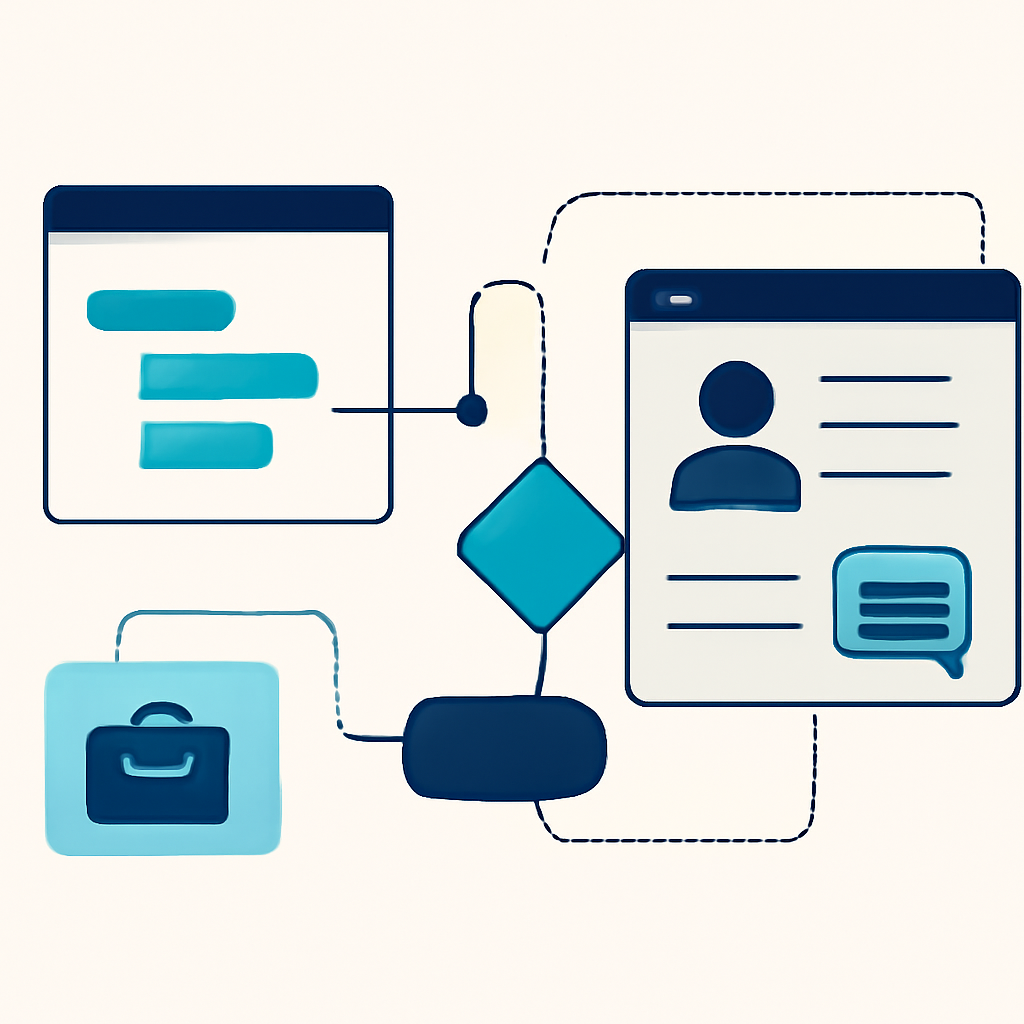
Marketing automation is frequently treated strictly as a top-of-funnel acquisition tool. Agencies spend significant energy building lead generation funnels, only to let those leads sit unmanaged inside unstructured CRMs or require tedious manual data entry from sales representatives. Restricting automated workflows to cold outreach overlooks how much operational friction exists deeper in the agency lifecycle.
When deployed systematically across both pipeline management and client operations, automation creates an integrated system. It ensures incoming leads are qualified instantly, sales representatives focus their time on accounts with verified buying intent, and client service teams receive full context during account handoffs.
Streamline Lead Capture and Instant Qualification
Manual data entry remains a primary point of breakdown during early pipeline stages. When prospective clients submit inquiries across various web forms or landing pages, manual routing introduces response delays that directly reduce conversion rates and lead to missed opportunities.
Automated capture workflows map incoming form submissions directly into designated CRM fields, tag records based on submission criteria, and assign pipeline ownership immediately based on clear logic.
- Standardize field mapping across every inbound form to maintain accurate data hygiene.
- Segment records instantly based on submission criteria like estimated budget, team size, or requested services.
- Trigger immediate notification alerts to specific account executives based on territory or expertise routing rules.
Build Behavior-Driven Nurturing Workflows
Prospective buyers rarely make purchasing decisions during their initial interaction with an agency. Instead of relying on sales representatives to manually follow up with long-tail prospects, automated drip sequences deliver relevant background material over extended timeframes.
Rather than broadcasting static email blasts on a fixed schedule, effective nurture architectures react dynamically to user behavior. The system monitors how prospects interact with sent materials and branches them into targeted messaging paths accordingly.
Keep nurture workflows focused on practical, educational problem-solving rather than aggressive sales pitches. High-performing agencies use behavior data to answer specific questions prospects evaluate during vendor selection.
Implement Objective Lead Scoring Models
Sales teams waste substantial time reaching out to unengaged or underqualified contacts. Lead scoring addresses this by assigning numerical point values to both explicit profile data and implicit engagement signals.
Firmographic factors such as company size or target industry establish a baseline score, while actions like visiting pricing pages, opening email sequences, or downloading technical briefs add incremental points over time.
- Define firmographic thresholds to filter out leads outside your target client profile.
- Assign point values to key engagement events based on historical conversion correlation.
- Implement automated score decay rules to lower priority when prospective leads become inactive over defined periods.
Align Sales and Client Service Context
A critical operational friction point occurs during the handoff from sales to account management. When service teams lack visibility into pre-sale communications, promised deliverables get missed, and new clients experience repetitive onboarding questioning.
Centralizing interaction history inside a single account record allows account managers to review initial discovery notes, downloaded content history, and specific objections raised during demo calls.
When a deal status shifts to closed-won, automated workflows can immediately generate client onboarding task boards, transmit contract documentation, and assign primary account managers without manual administrative delay.
Automate Support Routing and Account Maintenance
Automation extends beyond initial client onboarding into ongoing retention and support management. Automated ticket routing ensures technical inquiries reach the appropriate account specialist immediately without sitting in an unmonitored inbox queue.
Systems can also monitor client engagement metrics to spot drop-offs in platform usage or communication responsiveness. By flagging accounts that exhibit churn patterns early, account managers can intervene proactively before client dissatisfaction impacts retention.
Need help applying this to your account?
Ask inside Nexus Hub — Charles is live Mon, Wed and Fri.
Understanding the CRM Account Manager Role in Agency Operations
The Operational Role of a HighLevel Manager in Scaling Agencies
Understanding Media Buying Pricing Models and Cost Structures
Charles Higgins · Founder & Host, Nexus Hub
Charles is the founder of Pinnacle AI and a SaaSpreneur Gold Award winner. More about Charles
How this was researched, tested, and corrected: Nexus Hub editorial standards. Spotted an error? Report it and we will check it.
Nexus Hub is an independent community and educational resource. It is not affiliated with, endorsed by, or sponsored by HighLevel.