
Building a Standardized Client Onboarding System in HighLevel
A structured, repeatable onboarding framework prevents launch delays, protects workflow integrity, and ensures client success from initial intake to live deployment.
By Nexus Hub editorial · 7 min read
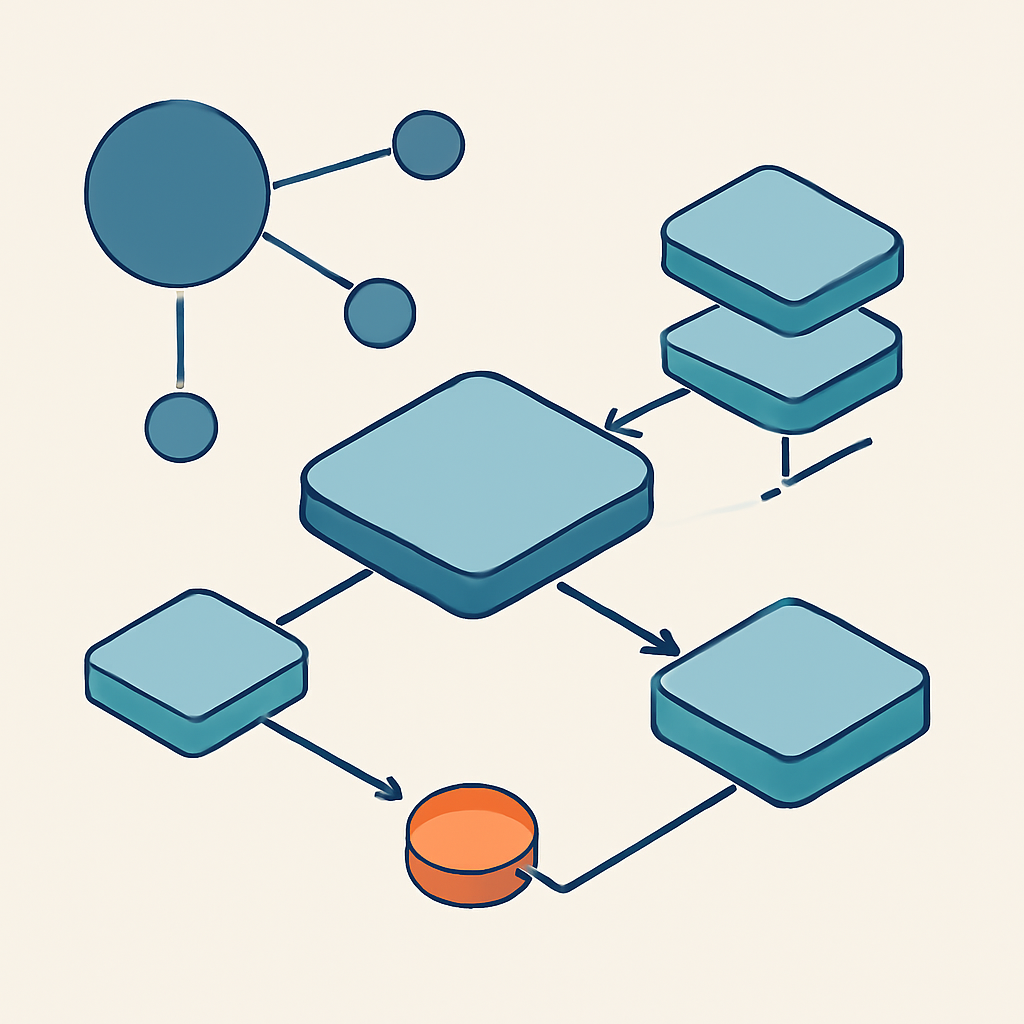
Converting a prospective client into a signed agreement is only the beginning of the operational lifecycle. For fulfillment teams, the real work begins when turning promises made during the sales cycle into a functional platform environment. Without a standardized system, onboarding quickly degrades into delayed schedules, missing credentials, broken automations, and mismanaged client expectations.
Developing a predictable onboarding system transforms complex custom setups into systematic operational stages. By standardizing intake, account deployment, quality assurance, and training, agencies reduce churn risk while increasing client delivery capacity.
Preparing for the Onboarding Transition
An efficient onboarding process begins before any technical work takes place. The initial handoff between the sales team and the fulfillment team sets the trajectory for the entire build. Internal handoffs must communicate promised deliverables, target audiences, system integrations, and timeline parameters so the implementation team never has to re-ask questions answered during sales.
Standardized intake forms ensure all necessary business assets are gathered systematically before account creation begins. Intake requests should be organized by functional category:
- Business Profile: Legal name, operating locations, core service offerings, and working hours.
- Brand Assets: Logos, typography, hex color codes, media libraries, and messaging guidelines.
- Sales Architecture: Current lead channels, conversion pipeline stages, and lost opportunity rules.
- Communication Configuration: Dedicated phone numbers, sender emails, and team access levels.
- Technical Access: Existing domain DNS records, payment processors, and third-party integrations.
Assign clear operational ownership for every intake item. Explicitly defining whether an asset is the client's responsibility or the agency's responsibility prevents build stalls.
Structuring the Technical Build
Once intake assets are validated, technical setup should follow a consistent build sequence. Rebuilding account architecture from scratch for every client creates unnecessary overhead and increases human error. Deploying snapshot foundations provides a pre-configured starting point for specific operational models.
However, snapshots should serve as baseline frameworks rather than finished client accounts. Personalization must adapt the base structure to match the client's precise operational realities.
- Deploy the core vertical snapshot to establish baseline pipelines, custom fields, and tags.
- Configure custom fields and contact categories to reflect client intake requirements.
- Establish communication infrastructure including email domains, phone numbers, and webchat elements.
- Connect integrations including calendars, payment gateways, and advertising channels.
- Customize operational automations around the mapped client customer journey.
Rigorous Pre-Launch QA Testing
Deploying unverified workflows directly to live lead traffic is one of the primary causes of early client churn. Quality assurance must validate both standard system interactions and edge-case exceptions.
A comprehensive pre-launch testing protocol should systematically evaluate every touchpoint in the build:
- Form and Survey Submissions: Verify field mapping accuracy, contact creation, and initial trigger execution.
- Workflow Logic: Test response delays, condition branches, and internal team notification alerts.
- Messaging Delivery: Send live test messages across SMS and email to verify deliverability and copy formatting.
- Calendar Mechanics: Test appointment booking, auto-reminders, cancellations, and buffer periods.
- Edge Cases: Simulate non-responsive leads, duplicate submissions, and manual pipeline overrides.
Client Enablement and Go-Live
A fully functional CRM build delivers zero value if the client's team cannot operate it effectively. Training sessions should focus strictly on daily operational duties rather than general platform administration.
Train client staff specifically on managing opportunities, responding to conversations across active channels, operating mobile applications, and updating task assignments. Providing focused video walkthroughs for routine workflows creates permanent training resources for future team additions.
After deployment, active post-launch monitoring ensures system stability during initial live traffic. Implement a structured review timeline following account release:
- Day 1: Validate initial lead intake, form mapping, and critical workflow trigger events.
- Day 3: Review messaging deliverability metrics and monitor initial pipeline movements.
- Day 7: Audit calendar bookings, team response times, and system usage patterns.
- Day 14: Analyze performance metrics with team stakeholders and refine automation rules as needed.
Need help applying this to your account?
Ask inside Nexus Hub — Charles is live Mon, Wed and Fri.
Evaluating HighLevel Technical Talent: A Framework for Agencies
The AI Agency Shift: Moving from Lead Generation to Core Business Operations
Local SEO Operations for Home Services: Driving Consistent Call Volume
Nexus Hub editorial
How this was researched, tested, and corrected: Nexus Hub editorial standards. Spotted an error? Report it and we will check it.
Nexus Hub is an independent community and educational resource. It is not affiliated with, endorsed by, or sponsored by HighLevel.