Conversation AI Smart Knowledge Base Triggers: How to Control Exactly When Your Bot Pulls the Right Answer


One of the biggest problems with AI chat experiences is not whether the bot has access to information. It is when that information gets used.
The Complete Operating System for Growth
Join over 60,000+ agencies and businesses using HighLevel to capture more leads and close more deals. Start your trial today and get instant access to the Nexus Hub resources.
Claim Your Free Trial & BonusesIf your bot goes to the knowledge base too early, the conversation can feel clunky, rushed, or irrelevant. If it waits too long, people get frustrated because they are not getting useful answers fast enough. The sweet spot is timing, and that is exactly where smart knowledge base triggers inside HighLevel Conversation AI become so powerful.
This feature gives you a much more deliberate way to shape the conversation. Instead of having the AI constantly search your knowledge base on every message, or never use it until later, you can define the exact moment it should activate. That means the bot can gather the right information first, then pull the right answer at the right time.
It is a simple idea, but it unlocks a much smarter customer experience.
What Smart Knowledge Base Triggers Actually Do
At a high level, smart knowledge base triggers let you control when your Conversation AI goes into a selected knowledge base and fetches dynamic information.
That matters because not every conversation should start with the AI searching for answers immediately. In many cases, you want the bot to guide the person through a few steps first:
- Collect key qualification data
- Ask structured discovery questions
- Move through a gated flow
- Wait for specific user intent or criteria
Then, once those conditions are met, the bot can pull from the right knowledge base and deliver something highly relevant.
That is the real benefit here. You are not just making your AI smarter. You are making it more intentional.
Why Timing Matters in Conversation AI
A lot of AI implementations fail because they try to do too much too soon.
When a lead or customer first starts chatting, they often have not provided enough context for the AI to generate the best response. If the system searches the knowledge base immediately, it may return broad or loosely related results. Technically, the bot responded, but practically, it did not help much.
Smart triggers solve that by letting you hold back the knowledge base until enough information has been collected.
That creates a better experience in a few important ways:
- More relevant responses because the AI has better input before searching
- Cleaner conversation flow because the bot guides the interaction in a logical order
- Better qualification because users complete key steps before receiving recommendations
- More control over how your HighLevel automations and AI systems behave
If you are using GoHighLevel to power lead qualification, sales conversations, support flows, or service delivery, this kind of control is a big deal.
The Core Idea: Ask First, Fetch Second
The best way to think about this feature is with a simple rule:
Ask first, fetch second.
Instead of immediately pulling from your knowledge base, the bot first collects the information it needs. Once the user has supplied enough detail, the trigger fires and the AI surfaces the best-matching result.
That sounds obvious, but many chatbot experiences are built in reverse. They try to answer before they understand. Smart knowledge base triggers let you flip that around.
So rather than saying, “Here is everything I know,” the bot can say, “Got it. Let me first understand what you need.”
That small shift makes the conversation feel far more natural and useful.
A Real Estate Example That Shows the Power of This
A great example is real estate.
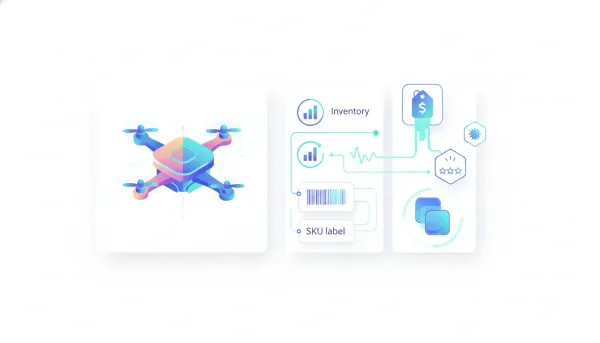
Imagine you have a Conversation AI bot inside HighLevel helping someone find available listings. If the AI searches inventory right away, the results are going to be generic because it does not yet know what the person wants.
Instead, you can configure the bot to ask for:
- Budget
- Bedroom count
- Preferred area
Only after the person shares all three pieces of information does the trigger activate. At that point, the bot goes into the listings knowledge base, finds matching properties, and returns them in real time.
That is a much better interaction.
The user is guided through the right steps. The AI waits until it has enough data. And when it does respond, the response is dynamic and relevant, not generic.
In practical terms, this means your bot can move from being a general chat interface to something that feels far more like a guided assistant.
Why this example works so well
The real estate scenario highlights three strengths of smart triggers:
- Structured intake: The AI gathers the exact variables needed to deliver a useful result
- Conditional activation: The knowledge base is only used after those variables are present
- Dynamic output: The response is pulled from inventory in real time based on the supplied criteria
That is the kind of flow that can dramatically improve engagement, especially in industries where recommendations depend on a few qualifying details.
You Can Use This Beyond Real Estate
While the real estate use case is easy to picture, this feature is not limited to listings.
Another example shown is a high ticket sales case study scenario. The same logic applies. Rather than dumping case studies or sales proof too early, the AI can wait until the conversation reaches the right point. Then it can surface the most relevant materials from a selected knowledge base.
This matters because timing affects persuasion.
If you present proof, examples, or resources before someone has shared what they are looking for, the content may feel random. But if the AI collects enough context first, then the supporting information lands much better.
That opens the door for stronger use cases across HighLevel agency systems and CRM workflows, such as:
- Lead qualification before showing offers
- Support triage before surfacing help docs
- Appointment intake before returning relevant service info
- Sales conversations before presenting the right case studies or proof points
The overall pattern is the same. Gather context, then trigger the right knowledge base at the right moment.
How the Setup Works in HighLevel
The setup is straightforward.
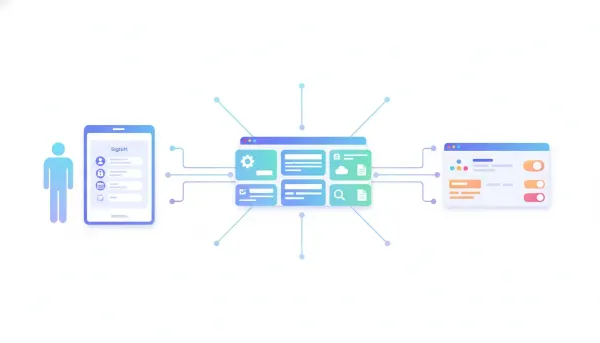
Inside Conversation AI, you can add a new trigger and define the knowledge base behavior. The general flow looks like this:
- Add a trigger inside your Conversation AI configuration
- Select the knowledge base you want the bot to use
- Choose from multiple knowledge bases if you have more than one configured
- Add optional instructions to guide how the AI should use that knowledge base
Test the experience to confirm the trigger fires only when intended
The Complete Operating System for Growth
Join over 60,000+ agencies and businesses using HighLevel to capture more leads and close more deals. Start your trial today and get instant access to the Nexus Hub resources.
Claim Your Free Trial & BonusesThat optional instruction field is especially useful because it gives you another layer of control. You are not just selecting the source of information. You are also helping shape how the bot should interpret or present it.
For teams running more advanced HighLevel workflows and automations, this can become part of a larger system where AI behavior is aligned with qualification logic, pipeline movement, and customer journey design.
Why Multiple Knowledge Bases Matter
One subtle but important point is that you can have multiple knowledge bases.
That means you are not limited to one giant repository of content. You can segment information based on purpose, audience, or stage of the conversation.
For example, one knowledge base might contain listings, another could house case studies, and another might include support documentation. Smart triggers then let you decide which one gets accessed and under what conditions.
This is where the feature becomes especially valuable for businesses with more complex operations.
If you are building out systems in GoHighLevel for an agency, a sales organization, or a service business, segmented knowledge bases can help keep responses cleaner and more targeted. Instead of having the bot search everything all the time, you can direct it with precision.
That makes the AI more useful and your implementation more scalable.
The Real Benefit: You Get to Sculpt the Experience
The phrase that captures this best is that you get to sculpt the experience.
That is what smart knowledge base triggers really provide. Control.
Without this kind of trigger logic, AI conversations can feel flat. The bot either over-answers or under-answers. It may jump to information too quickly, or fail to bring in data when it should. Either way, the experience becomes reactive instead of designed.
With smart triggers, you can shape the progression intentionally:
- Start with discovery
- Move through required questions
- Wait for complete user input
- Then unlock dynamic knowledge-based responses
That is not just better AI. That is better conversation design.
Best Practices for Using Smart Knowledge Base Triggers
To get the most out of this feature, it helps to think like a system builder rather than just a chatbot user.
1. Identify the minimum information needed
Before creating the trigger, ask yourself: what information does the AI absolutely need before a knowledge base lookup becomes valuable?
In the real estate example, that was budget, bedrooms, and preferred area. The key is not collecting everything. It is collecting the minimum meaningful set of inputs.
2. Keep the pre-trigger questions purposeful
If the bot asks too many questions before triggering the knowledge base, the flow may feel slow. If it asks too few, the response may not be helpful enough.
The goal is balance. Every question before the trigger should have a clear purpose.
3. Match each trigger to a specific knowledge source
If you are using multiple knowledge bases, be deliberate about where the AI should search. Cleaner source selection usually leads to cleaner answers.
4. Use custom instructions when needed
The optional instruction field can help refine the output. Use it when you need the AI to focus on a specific type of answer or present results in a certain way.
5. Test before going live
Testing is essential. Run sample conversations and confirm that the trigger fires at the right moment. Make sure the AI waits when it should wait and responds when it should respond.
Even a strong setup benefits from testing because timing is everything with conversational experiences.
How This Fits Into a Bigger HighLevel Strategy
For many teams, this is more than a neat Conversation AI feature. It is part of a bigger move toward smarter CRM, marketing automation, and SaaS operations inside HighLevel.
When AI is layered into your front-end conversations, every interaction becomes part of a larger system:
- Lead intake
- Qualification
- Routing
- Sales enablement
- Support delivery
Smart triggers help ensure the AI plays its role correctly inside that system.
For agencies managing multiple clients, this kind of control supports stronger implementation standards. For in-house teams, it creates better consistency across customer touchpoints. And for anyone building scalable operations inside GoHighLevel, it is one more way to reduce friction while increasing relevance.
That is often what separates a basic AI setup from one that actually performs well in production.
Where to Find the Update
If you want more detail on the release itself, there is a changelog available through the speaker icon in the top right-hand corner, or by visiting the HighLevel ideas and changelog area.
That is worth checking periodically, especially if you are actively building in Conversation AI. Features like this can have a surprisingly big impact on your workflows once you understand how to use them well.
Why This Update Matters
There are plenty of AI features that sound impressive but do not change much in real-world usage. This one is different because it improves something foundational: conversation timing.
And in AI, timing is often the difference between a response that feels helpful and one that feels off.
By controlling when the knowledge base activates, you can guide people through a more intentional path, collect meaningful context, and then deliver dynamic information when it is actually useful.
That means:
- Less overwhelm early in the conversation
- Better qualification before recommendations
- More relevant AI responses
- A smoother user experience overall
For anyone serious about building better AI interactions inside HighLevel, this is one of those updates that can radically improve the experience.
FAQ
What is a smart knowledge base trigger in HighLevel Conversation AI?
It is a trigger that tells your AI exactly when to pull information from a selected knowledge base. Instead of searching immediately, the bot can wait until specific user inputs or conditions are met before fetching an answer.
Why not let the bot use the knowledge base all the time?
Because using the knowledge base too early can lead to broad, less relevant responses. In many conversations, the AI needs a few details first so it can return something more accurate and useful.
What is a good example of using this feature?
A strong example is real estate. The bot can ask for budget, bedroom count, and preferred area first. Once the person provides that information, the trigger activates and the AI surfaces matching listings from the inventory knowledge base.
Can I use more than one knowledge base?
Yes. You can choose from multiple knowledge bases when setting up a trigger. That makes it easier to organize different content types and direct the AI to the right source at the right time.
Can I add custom instructions to the trigger?
Yes. When creating the trigger, you can optionally add instructions to help guide how the AI should use the selected knowledge base.
Who should use smart knowledge base triggers?
Anyone building structured AI conversations in HighLevel can benefit. That includes agencies, sales teams, service businesses, and support teams that want more control over qualification, timing, and response relevance.
How do I know if my trigger is set up correctly?
Use the testing tools in Conversation AI to run through sample conversations. Confirm that the bot asks the right questions first and only pulls from the knowledge base after the required information has been collected.
Final Thoughts
Smart knowledge base triggers solve a very practical problem: they help your AI respond when it should, not just when it can.
That gives you a better way to design conversations that feel structured, helpful, and relevant. Whether you are qualifying leads, surfacing listings, sharing case studies, or building more advanced HighLevel agency systems, this feature gives you another layer of precision that is easy to appreciate once you start using it.
If you are already building with HighLevel or GoHighLevel, this is a feature worth implementing right away. And if you are exploring smarter CRM and marketing automation workflows, it is a strong reminder that the best AI experiences are not just about information. They are about timing, control, and thoughtful execution.
If you want to go deeper with implementation, templates, and strategy, it may also be worth exploring a HighLevel free trial and connecting with the Nexus Hub community for resources and support as you build.
The Complete Operating System for Growth
Join over 60,000+ agencies and businesses using HighLevel to capture more leads and close more deals. Start your trial today and get instant access to the Nexus Hub resources.
Claim Your Free Trial & Bonuses