How to Easily Manage Rental Calendars in HighLevel (Flexible Multi-Day Bookings)

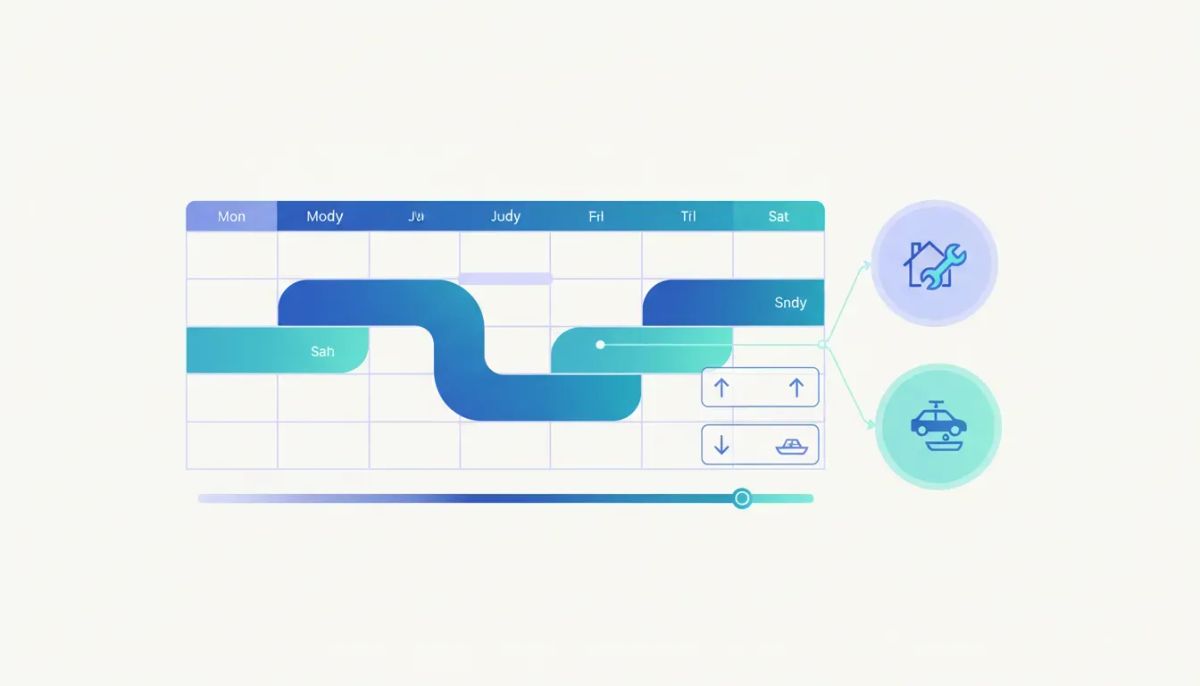
If you rent out anything that requires flexible scheduling, you already know the pain: standard appointment booking is great for fixed-length sessions, but it falls apart when customers need a multi-day reservation, weekend rentals, or inventory-based access.
The Complete Operating System for Growth
Join over 60,000+ agencies and businesses using HighLevel to capture more leads and close more deals. Start your trial today and get instant access to the Nexus Hub resources.
Claim Your Free Trial & BonusesHighLevel’s rental calendars solve that. They let you manage assets like properties, equipment, vehicles, or event setups with more control than a typical “book a time” flow. Customers can reserve for several days, and the system handles availability, pricing, and booking behavior automatically.
Below is a practical, step-by-step guide to setting up rental calendars inside HighLevel, plus what your customer experience will look like, and how to fine-tune the global settings.
What rental calendars do in HighLevel
Rental calendars are built for businesses that rent assets instead of scheduling single appointments. Instead of “30 minutes,” your customer can book a rental window like:
- A jet ski for a full weekend
- Equipment for multiple days
- A property stay across a range of dates
- An event setup package for a scheduled period
HighLevel uses rental calendar listings to:
- Track availability based on existing bookings
- Calculate prices based on your pricing structure
- Prevent overbooking when you track inventory
- Block off dates by syncing external calendars (optional)
Step 1: Enable Rentals in your HighLevel agency setup
The first thing to check is whether Rentals are enabled for the specific subaccount where you want to build your rental listings.
To enable Rentals:
- Open your HighLevel account and go to agency view.
- Navigate to Subaccounts.
- Find the subaccount where you want Rentals to work.
- Click the three dots on the right side.
- Select Manage client.
- In the top right, open Calendar settings.
- Turn the toggle on for Rentals.
- Click Save and continue.
Tip: If you do not see Rentals inside the calendar settings area later, it is almost always because this toggle is not enabled for that subaccount.
Step 2: Go to Calendar Settings in the subaccount
Once Rentals are enabled, jump into the subaccount where you want to set up your rental bookings.
In HighLevel:
- Use the left sidebar and click Calendars.
- Go to Calendar Settings.
At the top of Calendar Settings, you will typically see options like:
- Meetings
- Services
- Rentals
- Connections
Click Rentals to begin building your rental calendars.
Step 3: Create your rental categories (keep listings organized)
Inside Rentals, you will see two main navigation areas on the left:
- Listings
- Categories
Categories act like folders. They help keep your rental catalog clean and easy to browse. For example, you might have:
- Jet skis
- Cars
- Outdoor equipment
- Event setups
This structure becomes especially helpful when you scale your HighLevel agency setup and start managing many assets under one system.
Step 4: Add a rental listing (your actual rentable asset)
Listings are the assets customers will rent. Examples include a specific jet ski, a specific piece of equipment, or a particular vehicle.
To create a listing:
- Click Add new (or New listing in the top right).
- Add an image for the listing.
- Give the listing a name. For example: Green jet ski.
- Set your base price and pricing interval.
Choose the pricing interval that matches how you rent
HighLevel lets you charge by different time units, such as:
- Hour
- Day
- Week
- Month
So if your green jet ski costs $100 per hour, select Hour and enter $100.
Assign the listing to a category
If you already created a category like jet skis, add your Green jet ski listing to that category. This keeps the rental catalog easy to navigate.
Set availability status and a custom URL
Before saving, you can also:
- Set a custom URL for the listing
- Choose the listing status as active or inactive
When it is ready, click Save.
Step 5: Configure inventory, variants, advanced pricing, booking settings
After saving, HighLevel opens the listing configuration page so you can customize how rentals work end-to-end.
On the left side of the listing settings, you will typically find sections such as:
- Inventory and pricing
- Booking settings
- Calendar Sync
Inventory and pricing options
Under Inventory and pricing, you can configure:
- Track stock for the listing (useful if you have multiple units)
- Variants of a listing (for example, different configurations of the same rental item)
Then, at the bottom of the pricing area, you can set up advanced pricing structures, including:
- Seasonal pricing
- Day-of-week pricing
- Hour-of-day pricing
- Duration discounts
Example: Seasonal pricing
If you want different rates during certain dates, enable seasonal pricing and set the date range. Then choose how the price adjusts using either:
- A percentage adjustment, or
- A flat fee adjustment
Booking settings: availability and scheduling rules
In Booking settings, you configure how the rental behaves for customers. This is where you control things like:
The Complete Operating System for Growth
Join over 60,000+ agencies and businesses using HighLevel to capture more leads and close more deals. Start your trial today and get instant access to the Nexus Hub resources.
Claim Your Free Trial & Bonuses- Duration rules
- Buffer time between bookings
- Scheduling notice (how far in advance someone must book)
This is the part that turns “calendar availability” into actual operational control. If you have staff or setup requirements, buffer time and scheduling rules matter.
Calendar Sync: block dates from external calendars
If you already use another calendar system, you can import bookings to keep everything aligned. Under Calendar Sync, HighLevel can bring in external bookings and automatically mark dates as unavailable.
This reduces the chance of double-booking when your workflow includes multiple tools.
Once everything looks correct, click Save Changes in the top right.
Step 6: Test the booking portal as a customer would
After creating your listing, it will show up as an active rental with the price you set. From there, you can manage it, duplicate it, or share it.
To review the customer experience:
- Use the option to view the booking page (the portal your customer sees).
From the customer booking portal, a customer can typically:
- Select the listing (example: Green jet ski).
- Click View details if they want more information.
- Select a rental period (start and end dates).
- Choose Add to cart.
- Add additional listings if they want (example: a second item for the same trip).
- Continue to checkout.
- Enter personal information and make payments.
This is a clean flow for multi-day rentals. Instead of wrestling with manual confirmations, customers see what is available and pricing is calculated based on your rental settings.
Step 7: Global settings for payments, booking page, and notifications
Once your rentals and listings are configured, you will also want to set the global rental behavior at the subaccount level. In the Rentals area, go to:
- Global settings
Global settings control items like operating hours, checkout behavior, and how customers are notified.
Operating hours
Set the business operating hours. This influences how availability is presented and how booking rules apply.
Customize the booking page
Inside the booking page settings, you can adjust page-level customization options so your checkout experience matches your business.
Payment settings
Under payment settings, you can choose details like:
- Currency
Make sure your currency matches how you want to collect revenue and avoid pricing confusion.
Notifications
Notifications let you control how confirmation and booking updates appear. This helps keep your customers informed and reduces support requests.
Why rental calendars are a big deal for SaaS operations and agency scaling
If you manage multiple clients or multiple rental categories, rental calendars in HighLevel provide an actual system, not a patchwork of tools.
Instead of manually tracking inventory, availability, and booking confirmations, you can set the rules once in your HighLevel agency setup and let automations handle the rest.
That means fewer scheduling mistakes, faster checkout, and cleaner processes that scale alongside your business.
Quick checklist before you launch
- Create rental categories so listings stay organized.
- Create each listing with an accurate name, image, and pricing interval.
- Set advanced pricing rules if you need seasonal or day-of-week differences.
- Configure booking settings for buffer time and scheduling notice.
- Enable inventory tracking if you have limited units.
- Use calendar sync to block externally booked dates if needed.
- Verify the customer booking portal flow: select dates, add to cart, checkout, pay.
- Check global settings for operating hours, payments, and notifications.
Next steps: start improving your booking system
If you want to build out flexible multi-day rentals with HighLevel, now is a great time to test the setup and fine-tune it for your offers.
You can start a 14-day free trial using the offer link: gohighlevel.com/army-offer.
For even faster implementation, consider joining the Nexus Hub community where you can find templates, resources, and implementation support that help you build real agency systems and workflows.
FAQ
I do not see “Rentals” in Calendar Settings. What should I do?
Make sure Rentals are enabled for the correct subaccount. Go to agency view, open the subaccount’s `Manage client`, go to `Calendar settings`, and toggle Rentals on. Then save and return to Calendar Settings in that subaccount.
Can customers book rentals for multiple days instead of a single appointment?
Yes. Rental calendar listings are designed for flexible multi-day booking. Customers select a rental period in the booking portal and the system handles availability and pricing based on your rental settings.
How do I handle different prices for weekends, seasons, or specific hours?
Use the advanced pricing structures under Inventory and pricing. HighLevel supports seasonal pricing, day-of-week pricing, hour-of-day pricing, and duration discounts.
Can I prevent double-booking if I already have bookings in another calendar?
Yes. Use Calendar Sync inside the rental listing settings to import bookings from external calendars and block out unavailable dates.
Where do I set currency and notification preferences?
Go to Rentals in your subaccount and open Global settings. There you can configure payment settings (including currency) and notifications, along with booking page and operating hours settings.
The Complete Operating System for Growth
Join over 60,000+ agencies and businesses using HighLevel to capture more leads and close more deals. Start your trial today and get instant access to the Nexus Hub resources.
Claim Your Free Trial & Bonuses