Did You Know You Can Host Paid Communities Directly in HighLevel?

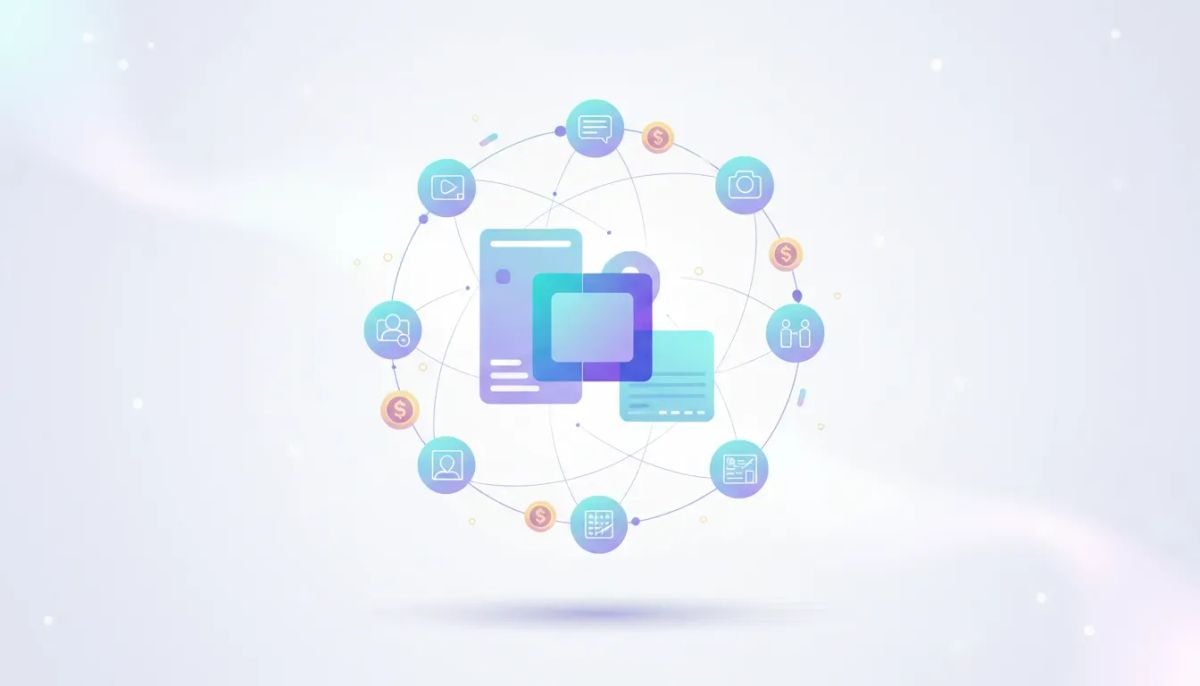
If you are still paying for separate tools to run your paid community, host your courses, manage conversations, and collect recurring revenue, there is a simpler way to do it.
The Complete Operating System for Growth
Join over 60,000+ agencies and businesses using HighLevel to capture more leads and close more deals. Start your trial today and get instant access to the Nexus Hub resources.
Claim Your Free Trial & BonusesYou can host paid communities directly inside HighLevel.
For coaches, creators, consultants, and agencies building digital offers, this is a big deal. Instead of stitching together a course platform, a community app, a payment setup, and an automation tool, you can bring everything into one branded ecosystem. Your content lives in one place. Your members stay in one place. Your team manages it all from one place.
That means fewer software costs, a cleaner client experience, and more control over how people enter and move through your offer.
If your goal is to build recurring revenue without sending people all over the internet to access what they paid for, HighLevel gives you a direct path to do it.
Why hosting your paid community inside HighLevel matters
A lot of businesses outgrow the patchwork setup.
It usually starts small. One tool for payments. Another for courses. Another for the community. Another for CRM and marketing automation. Then, before long, you are dealing with logins, integrations, support headaches, and a member experience that feels disconnected.
Hosting your paid community in HighLevel solves that by keeping the entire journey under your brand.
Here is what that looks like in practice:
- Your content and conversations stay together. Members do not need to jump between platforms to learn and engage.
- Your branding stays consistent. The experience happens inside your own ecosystem instead of someone else’s.
- Your revenue setup becomes simpler. You can create paid access with subscription options right inside the platform.
- Your automations become more powerful. HighLevel workflows can handle access, onboarding, and follow-up without manual work.
- Your operations become easier to scale. This matters whether you are a solo creator, a consultant, or an agency managing multiple offers.
This is one of those features that quietly changes how you think about delivery. HighLevel is not only where you capture leads or manage CRM records. It can also become the place where your paid offer actually lives.
Step 1: Create your digital product inside HighLevel
The process starts in the Memberships area of your HighLevel account.
From there, go to Courses, then Products. This is where you create your digital product directly inside the platform.
That product can serve as the foundation for what members receive when they join your paid community. Keeping this setup native to HighLevel helps eliminate the usual handoff between systems.
Instead of building the product in one platform and trying to connect it to your community somewhere else, you are creating the offer at the source.
This matters for two reasons:
- It simplifies setup. You are not trying to sync products, permissions, and content across multiple tools.
- It improves delivery. Once the product is created, you can attach it directly to the community experience.
For anyone focused on agency systems, SaaS operations, or streamlined offer fulfillment, this is a smart starting point. Build the product where the rest of your business already runs.
Step 2: Build your community group
Once your digital product is ready, head to Community and then Groups.
If you do not already have a group created, you can create one there. After it is set up, you can log in and access the group directly inside the platform.
This is the core space where your community interaction happens.
Think of the group as the home base for your members. It is where discussion, updates, private channels, and learning content can all come together. Instead of using a third-party community tool and trying to make it feel connected to your brand, HighLevel lets you keep that experience in-house.
That gives you more ownership over:
- The member journey
- The environment they associate with your brand
- The way content and access are organized
- The connection between community engagement and your CRM data
For agencies, this can also support cleaner HighLevel agency setup and scaling. If you are helping clients launch memberships, masterminds, or learning communities, keeping their delivery in GHL reduces tool sprawl and makes support much easier.
Step 3: Turn the group into a paid community
This is where things get especially useful.
Inside the group settings, you can make the group private. Then, under Subscriptions, you can configure pricing for access.
HighLevel gives you control over the key subscription settings, including:
- Price
- Currency
- Subscription type, including recurring or one-time
- Trial days, if you want to offer a free trial
Once you add the price, your group becomes more than just a community. It becomes a monetized offer.
This opens up several practical use cases:
- A monthly coaching community
- A one-time paid mastermind space
- A private client support group
- A premium membership tied to exclusive learning content
The real advantage here is not just the payment setup. It is that the payment setup is connected directly to the place where your members actually interact.
That means less friction.
People join, pay, and access the experience without being pushed into disconnected systems. That smoother experience can make a meaningful difference in retention and support load.
Step 4: Create private channels for segmented access
Not every member should necessarily see everything.
HighLevel allows you to create private channels within your group. You can do that by selecting Add Channel, giving the channel a name, description, and icon, then toggling the option to make the channel private.
Once created, that channel is only available to the people you choose.
This feature is incredibly useful when you want to organize your community by access level, program type, or member segment.
For example, you might create:
- A general community channel for all paid members
- A private channel for VIP members
- A channel only for students enrolled in a specific course
- A channel for clients in a higher-tier consulting program
Even without adding extra complexity, private channels help you create a more intentional member experience. People see the spaces that are relevant to them, and you keep premium access truly premium.
From an implementation standpoint, this also supports better offer packaging. You can structure a community so it serves multiple products or tiers without creating a separate platform for each one.
Step 5: Add courses directly into the group
One of the strongest parts of this setup is the connection between community and learning.
Inside the group, go to Learning. This is where you can host courses and add new ones directly into the group experience.
To do that, click the plus button, choose the course you already created, and then decide how it should be available:
- Show for all members
- Require purchase
Once you add the course, it becomes available only to members who are part of that group, based on the access rules you set.
The Complete Operating System for Growth
Join over 60,000+ agencies and businesses using HighLevel to capture more leads and close more deals. Start your trial today and get instant access to the Nexus Hub resources.
Claim Your Free Trial & BonusesThis gives you a lot of flexibility in how you package value.
You are not limited to a simple community with chat threads. You can create a true learning environment where members discuss, engage, and consume educational content inside the same ecosystem.
That is especially useful for:
- Coaching programs with lesson-based delivery
- Communities that include a resource library
- Paid memberships with course add-ons
- Hybrid offers that combine education and support
If your business model depends on both information and interaction, keeping courses inside the same HighLevel group reduces confusion and strengthens the offer as a whole.
Step 6: Automate access with HighLevel workflows
This is where HighLevel really shines.
Once your products, group, channels, and courses are set up, you can automate the entire access process.
One example is using a form submission as the trigger. Someone fills out the form to get access to a course, and that contact can automatically receive access. From there, when they click the relevant button, they are taken straight to the course so they can begin immediately.
This kind of automation removes manual admin work and improves the onboarding experience at the same time.
In a broader HighLevel workflows and automations strategy, this can support:
- Automatic member enrollment after form completion
- Instant delivery of course access
- Smoother onboarding into private communities
- Consistent fulfillment without team intervention
For businesses already using HighLevel for CRM, marketing automation, and client management, this is where everything starts to click together. Your lead capture, payment logic, access control, and fulfillment can work as one connected system.
That is not just convenient. It is a better operating model.
What makes this approach so valuable for agencies, coaches, and creators
There are plenty of ways to launch a paid community. What makes this setup compelling is that it does not require you to bolt on another platform to do it.
When you bring your paid communities into HighLevel, you can:
- Reduce software costs by replacing external tools
- Improve the client experience with a single branded destination
- Create recurring revenue through subscription-based access
- Centralize operations inside your CRM and automation system
- Scale more cleanly with fewer moving parts
For agencies in particular, this can also become part of your client delivery model. Instead of simply helping clients generate leads, you can help them package and deliver ongoing value through paid groups, courses, and memberships hosted inside GHL.
That can strengthen retention and open up new revenue opportunities.
For creators and consultants, the benefit is even more direct. You can own the audience experience and the revenue path without renting space from several disconnected platforms.
A simple model for building a paid community in HighLevel
If you want a clean mental model, it looks like this:
- Create the product in Memberships
- Build the group in Community
- Set the subscription with private paid access
- Add private channels for segmented experiences
- Attach courses in the Learning section
- Automate access using forms and workflows
That is the system.
Once it is in place, you are not just hosting a community. You are operating a complete digital offer inside HighLevel.
Best practices for keeping the experience clean
Even with a simple setup, a little structure goes a long way.
Here are a few practical guidelines based on the way this feature is designed:
- Be clear about access rules. Decide early which content is included for all members and which content requires an extra purchase.
- Use private channels intentionally. Keep them tied to real access differences so the community does not become cluttered.
- Map your automation flow. Make sure form submissions, buttons, and access actions lead people where they expect to go.
- Keep branding consistent. One of the biggest wins here is owning the experience, so make that count.
- Package around outcomes. Group access, course access, and private channels should all support a clear offer structure.
These are simple implementation strategies, but they make a noticeable difference in usability and scalability.
When to use a one-time payment versus a recurring subscription
HighLevel gives you both options, and each one fits a different type of offer.
Use a recurring subscription when:
- You are running an ongoing membership
- You plan to add fresh content regularly
- Community interaction is part of the ongoing value
- You want to build predictable recurring revenue
Use a one-time payment when:
- The community is tied to a fixed program
- The course access is sold as a one-off offer
- The group supports a short-term experience
- You want a simpler entry point without ongoing billing
You can also use trial days when it makes sense, especially if your community benefits from giving people a short chance to explore before committing.
The important thing is that HighLevel gives you that pricing flexibility inside the same system where access is delivered.
HighLevel as more than a CRM
A lot of people first think of HighLevel as a CRM and marketing automation platform, and it absolutely is that.
But features like communities, learning, digital products, subscriptions, and workflows show a bigger picture. HighLevel can also function as the operational center for how you package, sell, and fulfill digital offers.
That is why this matters beyond a single feature tutorial.
It reflects a larger shift in how businesses can run inside one system. Lead generation, nurture, sales, onboarding, delivery, and retention do not have to live in separate tools if your platform can support the full lifecycle.
For many businesses, especially agencies and service-based brands that are layering in memberships or education, that is where efficiency starts to turn into real scale.
FAQ
Can you really host a paid community directly inside HighLevel?
Yes. HighLevel allows you to create a community group, make it private, and set subscription pricing directly inside the platform. You can choose recurring or one-time billing and even offer trial days.
Where do you create the product for a paid community in HighLevel?
You create the digital product in the Memberships area of HighLevel by going to Courses and then Products. After that, you can connect the product to your community setup.
Can you add courses to a HighLevel community group?
Yes. Inside the group, the Learning section lets you add courses you have already created. You can choose whether the course is visible to all members or requires a separate purchase.
Can you create private channels inside a HighLevel community?
Yes. When adding a channel, you can toggle the option to make that channel private. This lets you control which members can access specific areas of the group.
Can HighLevel automate member access to courses or communities?
Yes. HighLevel workflows and automations can be used to automate access. For example, a form submission can trigger course access so the contact is enrolled and directed straight to the content.
Who is this best for?
This setup is especially useful for coaches, creators, consultants, and agencies that want to manage content, conversations, subscriptions, and automation from one platform.
Final thought
If you are building a paid community and already using HighLevel, it makes a lot of sense to look inward before adding another tool.
When your community, courses, subscriptions, and automations all live inside the same platform, you create a simpler business and a stronger client experience. You also keep more control over your brand, your delivery, and your recurring revenue model.
That is the real win.
If you want to explore the setup for yourself, starting a HighLevel free trial is a practical next step. And if you want extra implementation support, templates, and resources as you build, the Nexus Hub community can be a helpful place to continue the work.
The Complete Operating System for Growth
Join over 60,000+ agencies and businesses using HighLevel to capture more leads and close more deals. Start your trial today and get instant access to the Nexus Hub resources.
Claim Your Free Trial & Bonuses