Did You Know You Can Experiment in AI Studio Without Risking Your Live Page?

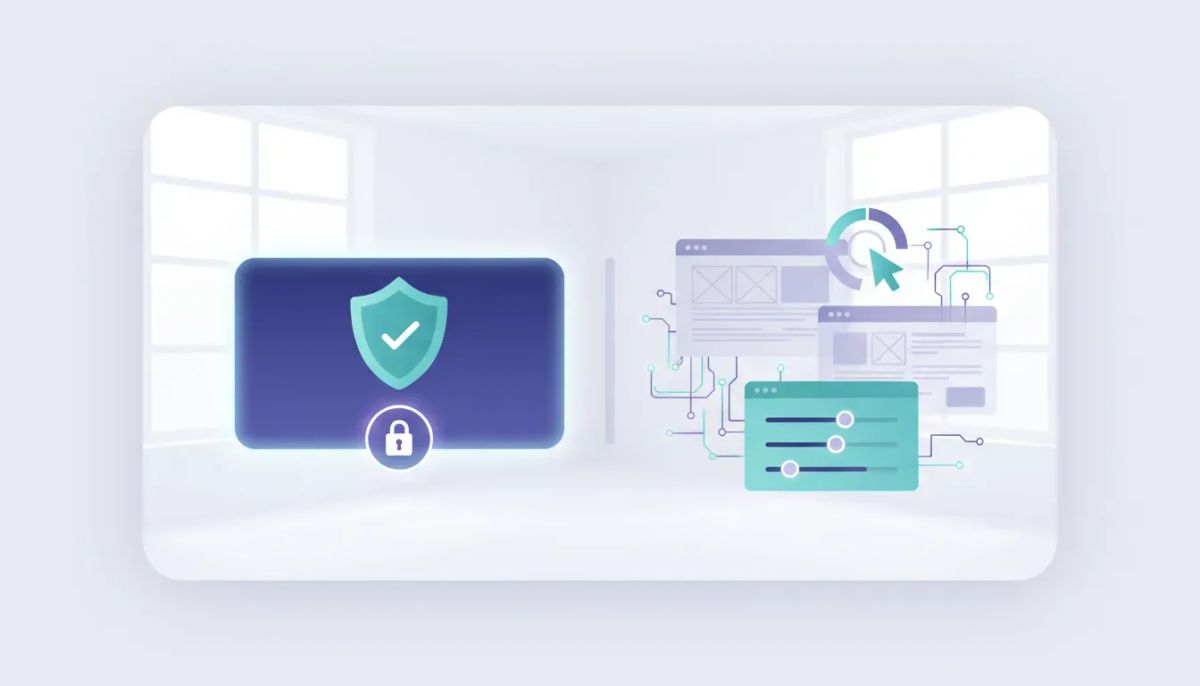
One of the biggest reasons people hesitate to update a landing page is simple: they do not want to break what is already working.
If you are managing pages for clients, running campaigns for a marketing team, or making updates for your own business, that concern is completely valid. A live page is not the place for risky trial and error. When traffic is coming in, forms are converting, and campaigns are active, even a small design change can feel like a gamble.
That is exactly why draft-based editing inside HighLevel AI Studio matters.
Instead of making direct edits to a live page and hoping everything looks right, you can experiment safely in a draft. You can test new ideas, update content, refine your design, and make visual changes without affecting what people currently see on your published page. Then, when everything looks the way you want, you publish.
That workflow gives agencies, marketers, and small business owners something incredibly valuable: confidence.
The Complete Operating System for Growth
Join over 60,000+ agencies and businesses using HighLevel to capture more leads and close more deals. Start your trial today and get instant access to the Nexus Hub resources.
Claim Your Free Trial & BonusesWhy safe page editing matters in HighLevel
In day-to-day marketing operations, page updates happen constantly.
You might want to:
- Refresh branding for a client campaign
- Adjust colors to match a new offer
- Improve the look of a landing page
- Test a cleaner design direction
- Update messaging before launching traffic
The challenge is that traditional editing often creates pressure. If you are working directly on a live asset, every change feels higher stakes than it should. That slows teams down. It can also make people overly cautious, which means good ideas never get tested.
With AI Studio inside your HighLevel sub-account, you can avoid that problem. You are not forced to choose between moving fast and staying safe. You can do both.
This is especially useful in a few common scenarios:
- Agencies managing multiple client brands and needing approval-ready drafts
- Marketing teams that want to iterate quickly without disrupting campaign performance
- Small businesses that need easy page updates without technical stress
That combination of AI-assisted editing, version history, and controlled publishing is a strong fit for modern CRM, marketing automation, and SaaS operations inside the HighLevel ecosystem.
What AI Studio lets you do
At a practical level, AI Studio gives you a way to make changes to an existing website page or landing page by using prompts. Instead of manually reworking each design element one by one, you can describe the update you want and let the platform handle the adjustment.
One simple example is changing a page theme.
Say you already built a landing page for a MedSpa client in HighLevel. The structure is solid, the offer is right, but the colors need to shift from pink and purple to blue and purple. That is the kind of change that sounds small, but on a live page it can still feel risky if you are unsure how the final result will look.
Inside AI Studio, you can prompt that update in draft mode first, review the result, and publish only when you are ready.
That means the workflow is not just about convenience. It is about:
- Testing safely
- Iterating faster
- Maintaining control
- Reducing publishing anxiety
How to experiment in AI Studio without affecting your live page
The process is straightforward, which is part of what makes it so useful.
1. Open AI Studio inside your HighLevel sub-account
Start by going into your HighLevel sub-account. On the left-hand side, navigate to AI Studio.
This is where you can work with your existing pages and use prompts to make updates.
If you are already using HighLevel for client delivery, funnels, websites, or landing pages, this fits naturally into your normal workflow. You do not need to rebuild from scratch. You can work from a page you already created.
2. Select the page you want to update
Choose the page you want to modify. In the example, that page is an existing landing page built for a MedSpa client.
This is important because the feature is not limited to new page creation. It is also useful for improving pages that are already part of an active campaign or client asset library.
If the page is live, that does not mean your edits have to happen live.
3. Enter a prompt describing the change
On the left-hand side, there is a text field where you can type the update you want AI Studio to make.
For example:
- Change the page theme colors from pink and purple to blue and purple
That kind of prompt is simple, direct, and specific. Once entered, AI Studio begins making the requested adjustments.
Within seconds, the page theme updates to reflect the new color direction.
The real advantage here is not just speed. It is the ability to see the change in a draft environment before making it public. That creates a much safer editing experience, especially when branding updates are involved.
4. Review the draft before publishing
After AI Studio applies the changes, review the updated page carefully.
This is where draft mode becomes so valuable. You can inspect the design, decide whether the new version fits the campaign, and make additional refinements if needed. Since the live page is untouched until you publish, there is room to experiment.
That freedom changes how teams work.
Instead of asking, “What if this breaks the page?” you can start asking, “What else should we test?”
5. Publish when you are ready
Once you are happy with the draft, you can publish the update.
The publishing flow follows a clear sequence:
- Click Publish in the top right
- Click Publish again
- Click Apply Changes to make the update live
This step-by-step publishing process adds an extra layer of control. You are not accidentally pushing a design update before you have confirmed it.
For agencies and teams managing multiple campaigns, those checks matter.
Version history gives you a safety net
Even with a safe draft workflow, there is always a chance you will prefer an earlier version of a page. Maybe the original branding worked better. Maybe the updated layout felt less aligned with the client. Maybe you just want to compare iterations before deciding.
That is where version history comes in.
Inside AI Studio, you can click the history button to review previous versions of the page. If an earlier version turns out to be stronger, you can select it and restore it.
The restore process is simple:
- Open the page history
- Select the version you want
- Click Restore this version
- Publish and apply changes when ready
This matters for more than peace of mind. It supports a better workflow for agency systems, best practices, and implementation strategies.
When teams know there is a rollback option, they are more willing to iterate. That leads to better creative testing, faster optimization, and fewer bottlenecks around approvals.
Why this workflow is especially useful for agencies
If you run an agency on HighLevel or GoHighLevel, draft-based AI editing can be a major operational win.
Agencies often deal with a mix of competing priorities:
- Making updates quickly
- Handling revision requests efficiently
- Avoiding mistakes on live campaigns
- Giving team members a repeatable process
Keeping client assets stable
AI Studio supports all of those priorities in a practical way.
Instead of manually duplicating pages, making edits, and worrying about whether the wrong version might get published, you can use a more controlled system. Draft mode and version history help reduce friction, especially when your agency is scaling and more people are touching the same assets.
That is part of the bigger value of HighLevel agency setup and scaling. The platform is not just about building pages. It is about creating smoother systems for client delivery and marketing execution.
And while AI Studio is a page-focused feature in this context, it fits naturally into the broader HighLevel environment where businesses are already managing:
- CRM pipelines
- Lead capture
- Marketing automation
- Client communications
- SaaS operations
When your pages, contacts, automations, and campaigns all live in one system, safer editing becomes even more important.
The Complete Operating System for Growth
Join over 60,000+ agencies and businesses using HighLevel to capture more leads and close more deals. Start your trial today and get instant access to the Nexus Hub resources.
Claim Your Free Trial & BonusesDraft mode encourages better experimentation
There is another benefit here that is easy to overlook: when experimentation becomes low-risk, creativity improves.
Teams often hold back because they are worried about the cost of a mistake. If every change feels final, people default to tiny edits. But when AI Studio lets you work in draft mode, the environment becomes much more forgiving.
That gives you room to try things like:
- Brand color updates
- Visual refinements
- Design refreshes for stale pages
- Faster concept testing before approvals
The point is not change for the sake of change. The point is having a safe way to improve pages without disrupting active performance.
That is a strong operational mindset whether you are running campaigns for a local business, managing multiple sub-accounts, or building repeatable delivery systems in GHL.
A simple example: updating a MedSpa landing page
Here is the example in plain terms.
A landing page already exists for a MedSpa client. The page currently uses a pink and purple color theme. The goal is to update that styling to blue and purple.
Instead of making manual edits directly on the live asset, the page is opened in AI Studio. A prompt is entered requesting the new theme colors. AI Studio processes the prompt and updates the draft version of the page. The new design can then be reviewed before anything is published live.
If the updated version looks right, it is published and applied.
If not, an earlier version can be restored through version history.
That is the full idea in one workflow:
- Use an existing page
- Prompt the AI for a design change
- Review the draft safely
- Publish only when satisfied
- Restore a previous version if needed
Simple, controlled, and practical.
Best practices for working in AI Studio
Even with a straightforward tool, a few good habits can help you get more out of it.
Use clear prompts
Specific prompts tend to produce clearer outcomes. If you know the exact direction you want, describe it plainly.
For example, asking to change theme colors from one palette to another is more useful than a vague request to “make it better.”
Review before you publish
Draft mode is there for a reason. Use it. Take a moment to inspect the updated page before applying changes live.
Use version history as part of your process
Do not think of version history as an emergency-only feature. It is also useful for comparing iterations and keeping your workflow organized.
Make experimentation part of optimization
If your team already uses HighLevel workflows and automations to optimize lead handling and follow-up, page refinement should be treated the same way. Controlled testing leads to better outcomes.
How this fits into the bigger HighLevel picture
AI Studio is one useful part of a larger platform strategy.
HighLevel is often used as the operating system for agencies and businesses that want to centralize marketing, CRM, and client delivery. When page building, automation, and campaign execution happen inside one environment, every improvement in workflow compounds.
Safer page editing might seem like a small feature at first. In practice, it supports a much larger goal: building marketing systems that are fast, scalable, and reliable.
That is what makes this especially relevant for teams focused on:
- Reducing manual work
- Standardizing implementation
- Improving client turnaround times
- Creating stronger internal QA processes
When your agency or business starts thinking in systems, features like AI Studio become more than convenient. They become part of how you operate.
Move faster without risking what is live
The core value here is simple.
You can create boldly without breaking your site.
That is the real promise of experimenting in AI Studio inside HighLevel. You do not have to choose between speed and safety. You can update existing landing pages, refine designs, test new ideas, and restore earlier versions if needed, all while keeping your live page protected until you are ready to publish.
For agencies, marketing teams, and small businesses, that means less hesitation and more momentum.
If you are already building inside HighLevel, this is a smart workflow to start using. And if you are still exploring what the platform can do, starting a HighLevel free trial is a practical way to see how AI Studio, CRM tools, automations, and page management work together in one system.
If you want additional templates, resources, and implementation support as you build, the Nexus Hub community can also be a helpful next step.
FAQ
Can I edit a page in AI Studio without changing the live version immediately?
Yes. AI Studio allows you to work on a draft version of your page first. That means you can make design or content changes, review the result, and publish only when you are ready to apply the update live.
Where do I find AI Studio in HighLevel?
Inside your HighLevel sub-account, look at the left-hand navigation and open AI Studio from there.
Can I use AI Studio on an existing landing page?
Yes. The workflow shown uses a pre-existing landing page and updates it through AI prompts rather than starting from scratch.
What kind of changes can I prompt AI Studio to make?
One example is changing a page theme color palette, such as switching from pink and purple to blue and purple. The key idea is that you can describe the update you want in the text field and let AI Studio apply it to the draft.
How do I publish changes after reviewing the draft?
When the page looks right, click Publish in the top right, confirm Publish again, and then click Apply Changes to push the update live.
What if I want to go back to an earlier version of the page?
You can use the version history feature. Open the history, select the previous version you want, restore it, and then publish and apply changes when ready.
Why is this useful for agencies using GoHighLevel?
It helps agencies make updates with less risk, improve revision workflows, and maintain better control over client pages. That is especially valuable when managing multiple brands, campaigns, and sub-accounts in one platform.
Is AI Studio helpful for small businesses too?
Yes. Small businesses can use it to test ideas, update page design, and make changes with more confidence without worrying about disrupting a live page before they are ready.
The Complete Operating System for Growth
Join over 60,000+ agencies and businesses using HighLevel to capture more leads and close more deals. Start your trial today and get instant access to the Nexus Hub resources.
Claim Your Free Trial & Bonuses