Google Sheets Now Work With AI Agents: Build a Live Knowledge Base for Smarter Automation


If you have ever tried to keep an AI agent “up to date,” you already know the problem. The agent’s answers are only as good as the information you feed it. And most teams do not want to manually copy and paste content every time something changes.
The Complete Operating System for Growth
Join over 60,000+ agencies and businesses using HighLevel to capture more leads and close more deals. Start your trial today and get instant access to the Nexus Hub resources.
Claim Your Free Trial & BonusesThe good news is that Google Sheets can now plug directly into an AI agent knowledge base. The result is a knowledge base that you can manage like a spreadsheet, while your AI agent benefits from structured, continuously updated data.
Here is what that means in practical terms, how the setup works at a high level, and why this is a big deal for HighLevel users building CRM, marketing automation, and agency systems.
Why a Google Sheets Knowledge Base Matters
AI agents are only useful when they can reliably reference internal information: product details, FAQs, service pricing, appointment rules, onboarding steps, policies, and more.
Traditionally, teams had three options:
- Hardcode knowledge into an agent or knowledge store (easy to start, painful to maintain).
- Upload files repeatedly when something changes (manageable for small teams, not scalable).
- Maintain separate docs and hope the agent stays aligned (often leads to stale answers).
Google Sheets changes the game because it gives you an operational interface you likely already trust: rows, columns, updates, and review cycles. Instead of rebuilding knowledge every time, you can connect the sheet and let the knowledge base stay current.
The Core Idea: Import a Google Sheet into the AI Agent Knowledge Base
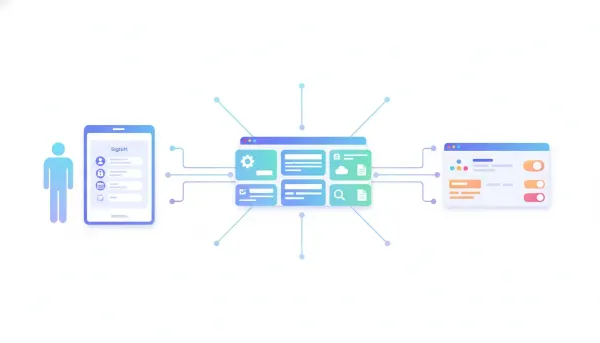
When setting up the knowledge base, you look for the option to add tables or connect data. The workflow is straightforward: you upload from your computer or import from Google Sheets.
From there, the experience follows a familiar pattern:
- You choose Import from Google Sheets.
- You complete the connectivity step, selecting the Google account and appropriate Drive access.
- You locate the specific document in your Drive.
- You confirm the selection (hit done in the setup flow).
- The system pulls in the Google sheet data into the knowledge base.
At that point, your knowledge base is no longer limited to a one-time import. You can also import multiple Google Sheets, which is useful when different departments own different datasets, or when you want separate sources for different agent behaviors.
Auto Sync: Keeping the Agent In Sync as Sheets Change
The most exciting part is not just that you can import data from Google Sheets. It is that the knowledge base supports auto sync.
Once the sheet is connected, the knowledge base reflects updates made in the spreadsheet. In other words, you can keep your business data in a format your team understands, while the AI agent stays aligned.
A small indicator in the knowledge base setup shows an auto sync status. The exact cadence and how it handles every type of change can vary, and there was no clear change log shown during setup. But the overall outcome is what matters: the system can automatically sync updates without you repeating the import process.
For teams running HighLevel workflows and automations, this is the difference between:
- Automation that works once and then drifts out of date, versus
- Automation that keeps working as your business evolves.
How to Think About Your Spreadsheet Design
Connecting a Google Sheet to an AI agent knowledge base is powerful, but it works best when your sheet is structured for clarity. Even if the interface imports your data automatically, your organization choices still determine how useful the knowledge base will be.
Here are practical guidelines to shape your spreadsheet so your AI agent can reference it effectively:
Use clear column headers
Columns are how your data gets mapped. Even if the system ingests the sheet without complicated configuration, strong headers make the dataset easier to work with and easier to audit.
Keep rows focused on one “unit” of knowledge
For example:
- One row per FAQ item
- One row per service offering
- One row per policy change or customer requirement
- One row per onboarding step
Avoid mixing unrelated data in a single row
If a row contains multiple topics (or contradictory details), you can end up with confusion when the agent tries to extract relevant info. Cleaner separation leads to better outputs.
Plan for updates
The entire benefit of auto sync is that updates become routine. That means you should know who maintains the sheet, how often it changes, and what approval process you use before data becomes “live.”
The Complete Operating System for Growth
Join over 60,000+ agencies and businesses using HighLevel to capture more leads and close more deals. Start your trial today and get instant access to the Nexus Hub resources.
Claim Your Free Trial & BonusesWhere HighLevel Fits: Turning Knowledge into Automation
HighLevel (GoHighLevel) is commonly used to run CRM, marketing automation, and agency operations at scale. Most teams set up:
- Lead capture and forms
- Pipeline stages in the CRM
- Marketing automation sequences
- Workflows that trigger based on user behavior
- SaaS operations and service delivery systems
The missing piece in many setups is consistency of information. Your automation might route leads correctly, but when it comes to messaging, quoting, onboarding instructions, and policy answers, teams often rely on static templates that get out of date.
This is where a live knowledge base connected to Google Sheets becomes a strong foundation. Instead of treating content updates as a “project,” you can treat them like routine spreadsheet edits, with the AI agent’s knowledge updating automatically.
That is a real step toward better agency systems, best practices, and implementation strategies. It supports agency scaling because you can keep standards consistent while letting multiple owners update information without breaking processes.
Examples of AI Agent Knowledge Connected to Sheets
You can use sheet-based knowledge in lots of ways. Here are a few practical examples that map well to real agency and SaaS operations:
- Pricing and packages: keep offers current and avoid outdated quotes.
- FAQ library: maintain answers to common customer questions.
- Service eligibility rules: update requirements without changing multiple documents.
- Onboarding steps: ensure your AI agent explains the correct process every time.
- Knowledge for follow-up messages: sync content so outreach stays accurate.
Even if the sheet is maintained by different teammates, auto sync helps you reduce the risk that your AI agent becomes disconnected from reality.
Implementation Checklist: Getting Started Cleanly
If you want a smooth setup, use a simple checklist:
- Create your Google Sheet with clear headers and structured rows.
- Connect the sheet by using the knowledge base option to import from Google Sheets.
- Select the correct Google account and Drive folder access during authorization.
- Choose the document and confirm the import.
- Verify the knowledge base content after import, ensuring the rows came through as expected.
- Check the auto sync indicator so you know the system will update when the sheet changes.
- Plan your update workflow so edits happen in a controlled, repeatable way.
Once it is in place, you can scale the approach by importing additional Google sheets for different domains. That keeps your knowledge organized as your team grows.
Next Steps: Build Your System in HighLevel and Keep It Updated
If you are building an agency setup and you want better reliability from your automations, this kind of live data connectivity is exactly the direction to lean into. It helps you keep CRM follow-ups, marketing automation messaging, and AI-powered assistance aligned with what is actually true in your business right now.
HighLevel workflows and automations become far more effective when the supporting knowledge stays current.
If you are just starting or you want to test this approach in a real project, consider starting with a HighLevel free trial and mapping out how AI assistance and knowledge updates should work across your lead pipeline and customer journey.
And if you want templates and implementation support, the Nexus Hub community is a great place to find resources and examples for building agency systems faster.
FAQ
How do I connect Google Sheets to an AI agent knowledge base?
In the knowledge base setup, choose the option to import from Google Sheets, authorize your Google account and Drive access, select the specific sheet document, and confirm the import. The sheet data then appears in the knowledge base.
Does the knowledge base automatically update when my Google Sheet changes?
Yes. The setup includes an auto sync indicator, meaning changes in the Google sheet can sync over to the knowledge base automatically. A detailed change log was not shown during setup, but the overall feature is designed to keep updates flowing.
Can I connect multiple Google Sheets?
Yes. You can import multiple Google sheets into the knowledge base, which is useful for separating different categories of knowledge.
Why is Google Sheets a good choice for maintaining AI knowledge?
Because it is easy for teams to manage and update data in a structured way. When paired with auto sync, it reduces the need for repeated uploads and helps prevent stale AI answers.
How does this help with HighLevel agency workflows?
HighLevel workflows and automations become more reliable when the AI assisting or messaging is grounded in a knowledge base that stays current. Google Sheets connected to the knowledge base helps keep service info, FAQs, and policies aligned as you update your operations.
The Complete Operating System for Growth
Join over 60,000+ agencies and businesses using HighLevel to capture more leads and close more deals. Start your trial today and get instant access to the Nexus Hub resources.
Claim Your Free Trial & Bonuses