Sell Templates in the Marketplace: HighLevel’s New Template Marketplace Integration Is Now Live

This is a big one.
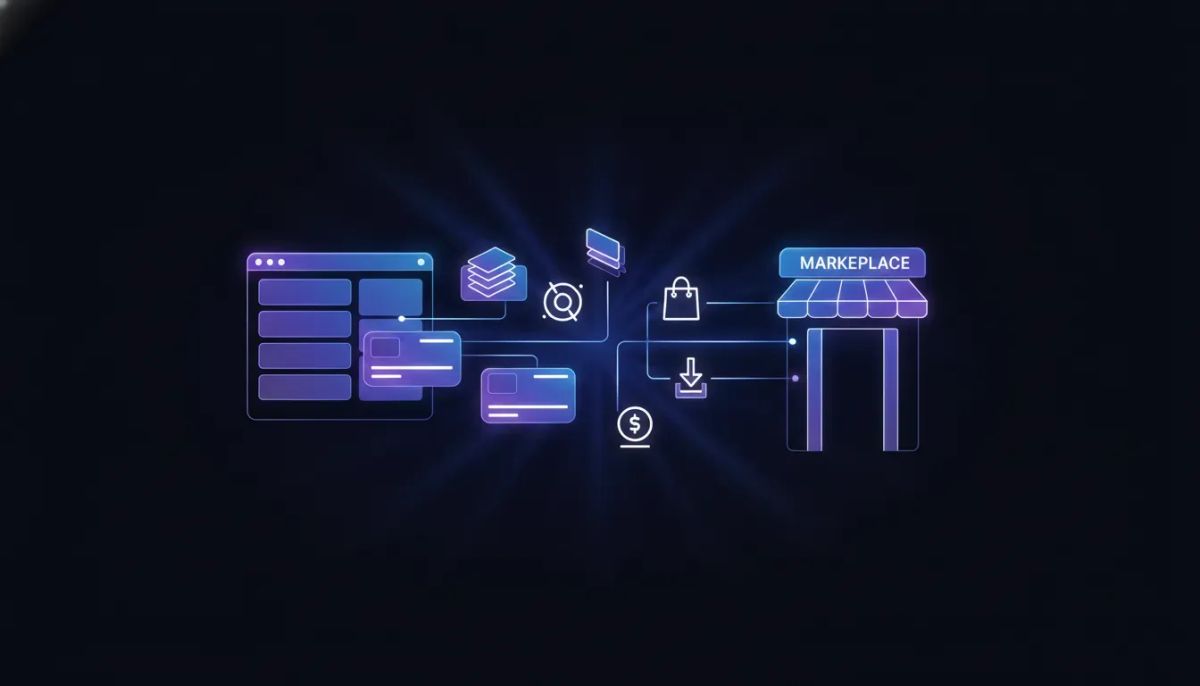
HighLevel has rolled out a really important update through Labs: template library marketplace integration. In plain English, that means the template library is now connected directly to the HighLevel Marketplace, so users can browse, preview, purchase, install, use, and even sell templates all in one place without leaving the platform.
That may sound simple on the surface, but it solves a very real problem for agencies, template creators, and anyone building inside GoHighLevel.
Before this update, there was no centralized way to discover great templates, install premium options quickly, or monetize the work you had already built. Agencies had to piece things together. Creators had no clean distribution path. Buyers had limited visibility outside stock templates.
Now that changes.
The Complete Operating System for Growth
Join over 60,000+ agencies and businesses using HighLevel to capture more leads and close more deals. Start your trial today and get instant access to the Nexus Hub resources.
Claim Your Free Trial & BonusesWhy this update matters
The core issue was friction.
People were building incredible assets inside HighLevel, but there was no streamlined marketplace experience tied directly to the template library. If you wanted better templates, you had to hunt. If you built something valuable, there was no simple, native flow to turn that work into revenue.
This new integration brings everything under one roof:
- Discover templates in a centralized marketplace
- Preview and purchase them from inside HighLevel
- Install and use them without jumping between tools
- Sell your own templates directly through the marketplace
- Manage pricing, categories, and support details in one flow
- Push updates and refresh templates for customers over time
That is a meaningful improvement for anyone serious about HighLevel agency setup and scaling, especially if templates are part of how you deliver services, speed up onboarding, or productize your systems.
The old problem: great templates, no real central home
Templates are one of the fastest ways to create leverage inside GHL.
Whether you are building out funnels, automation assets, campaigns, snapshots, or repeatable service delivery systems, templates save time and standardize quality. They are a huge part of how agencies improve implementation speed and scale client fulfillment.
But until now, there was a gap.
Users did not have a clean, centralized place to:
- Find high-quality templates beyond what came stock in the app
- Compare options in a marketplace-style environment
- Purchase and install templates inside the same workflow
- Monetize original template work without a custom distribution process
That created unnecessary complexity. And complexity slows everything down.
If you are running an agency, complexity affects delivery. If you are a creator, complexity affects sales. If you are a buyer, complexity affects adoption.
The marketplace integration removes a lot of that friction in one move.
What the new HighLevel template marketplace integration actually does
The easiest way to understand this update is to think of it as a bridge between two things that belong together anyway:
- The template library
- The HighLevel app marketplace
Now, instead of treating templates like isolated assets, HighLevel allows them to live inside the marketplace experience where they can be consumed and monetized at the same time.
That means two major use cases are now connected:
1. Buying and using templates
If you need templates for your business or agency operations, you can now browse marketplace listings alongside stock template options. That opens up access to a broader ecosystem of specialized assets created by other HighLevel users.
This is especially useful if you are trying to move fast and do not want to build every asset from scratch.
2. Selling templates
If you have built something valuable, you can now list it directly in the marketplace and monetize it. Instead of keeping templates buried inside your own account or distributing them manually, you can package them for others to discover and buy.
That is a big deal for agencies and operators who have already invested time into proven systems.
How selling a template works inside HighLevel
One of the most exciting parts of this release is how simple the selling flow appears to be.
Inside the template experience, there is now an option to sell template on the marketplace. Once selected, you can begin preparing the listing and defining how it should appear to potential buyers.
The setup includes key listing details such as:
- Pricing
- Category selection
- Support information
- General listing details
Once everything is ready, you can submit the template into the marketplace.
That kind of built-in flow matters because it removes the technical and operational overhead that usually comes with selling digital assets. You do not need a separate storefront, disconnected delivery method, or manual workaround to make the process function.
For creators, that means less setup and a cleaner path to revenue.
How buyers benefit from the marketplace experience
On the buyer side, this update is just as useful.
Instead of relying only on stock templates, users can now explore both:
- Default stock templates
- Marketplace templates created by others
That mix-and-match experience creates a stronger ecosystem. You are no longer limited to what ships with the platform. You can discover purpose-built assets that better match your niche, your service model, or your implementation style.
For agencies, this can shorten setup time dramatically.
Rather than rebuilding common systems from scratch, you can source high-quality templates that support your CRM workflows, marketing automation setups, onboarding flows, and operational systems. If the right asset already exists, your team can move faster and focus on customization instead of reinvention.
That is a real advantage when you are trying to scale delivery inside HighLevel.
Template updates and refreshes make this even stronger
Another detail that makes this release stand out is the ability to refresh templates.
That means creators are not just uploading a one-time asset and walking away. If they improve the template, add more content, or update it over time, there is a way to push those improvements so customers can benefit from the latest version.
This is one of those features that sounds small until you think about the long-term implications.
It changes templates from static products into assets that can evolve.
That matters for a few reasons:
- Creators can improve their products after launch
- Buyers can receive added value over time
- Agencies can maintain more current systems and implementations
- The marketplace becomes more useful because listings can stay relevant
For anyone building repeatable agency systems, that refresh capability opens the door to more sustainable template businesses and better customer outcomes.
Why this is especially useful for agencies
If you run a GoHighLevel agency, this update is more than just a nice new feature. It supports a smarter operating model.
Agencies win when they can standardize what works.
Templates are a major part of that. They help turn one successful implementation into a repeatable asset. And repeatable assets are what make scaling possible.
With marketplace integration, agencies can now do a few important things more effectively:
Speed up fulfillment
Instead of rebuilding the same funnels, automations, or support assets over and over, teams can use marketplace templates to accelerate setup.
Create new revenue streams
If your agency has built templates that solve real problems, you can package and sell them. That allows you to monetize expertise outside of client retainers.
Productize internal best practices
A great internal workflow, campaign structure, or implementation process can become a marketplace-ready asset. That is a smart way to turn operational knowledge into a sellable product.
Improve consistency
Templates help reduce variation across accounts. That can lead to better client experiences and easier team training.
When you combine this with HighLevel workflows and automations, the value gets even bigger. Agencies are not just selling templates for design convenience. They are selling systems, speed, and proven operational frameworks.
The Complete Operating System for Growth
Join over 60,000+ agencies and businesses using HighLevel to capture more leads and close more deals. Start your trial today and get instant access to the Nexus Hub resources.
Claim Your Free Trial & BonusesWhat kinds of creators should pay attention to this
This is not only for big agencies.
If you have built something useful inside HighLevel and other users would benefit from it, this release is worth exploring.
You may want to consider listing templates if you:
- Build repeatable assets for niche business types
- Create polished client-facing systems inside GHL
- Have refined onboarding or operational templates
- Regularly build implementation resources that others ask for
- Want to monetize your expertise beyond services
There is now a native, platform-level route to make those assets available.
That is a much stronger position than trying to manage everything manually through separate tools.
Why centralization matters more than it sounds
The biggest win here may actually be centralization.
It is easy to focus on the ability to sell templates and miss the broader impact. But bringing template discovery, purchasing, installation, and monetization into a single HighLevel experience reduces fragmentation across the board.
That matters because every extra step in your stack creates drag:
- More confusion
- More support burden
- More onboarding friction
- More disconnected systems
By keeping the process inside HighLevel, the platform becomes more complete for both creators and consumers.
And from a business standpoint, that is exactly the kind of improvement that compounds over time. Better discovery leads to more usage. Better monetization leads to more creators. More creators lead to better marketplace depth. Better marketplace depth leads to more value for agencies and operators.
That kind of ecosystem flywheel is powerful.
How to get started with the new feature
This release is available through Labs, so the first move is straightforward: turn it on and experiment with it.
If you are an early adopter, this is one of those updates worth getting your hands on quickly.
A practical approach looks like this:
- Enable the Labs feature inside HighLevel
- Review your existing templates and identify any that could be valuable to others
- Prepare listing details such as pricing, category, and support information
- Explore the marketplace to understand how templates are presented
- Test purchasing and installing templates if you are looking to improve your own setup
- Plan for updates so your templates can stay fresh over time
There should also be help documentation available to support the rollout, but the main point is simple: do not wait too long to get familiar with it.
For creators, early participation can be a real advantage. For buyers, it is a chance to start discovering assets beyond the built-in library.
What this means for the broader HighLevel ecosystem
HighLevel has always been strongest when users can build systems once and apply them repeatedly.
This update supports that philosophy in a very direct way.
By integrating the template library with the marketplace, HighLevel is making it easier to:
- Share proven implementation strategies
- Monetize operational know-how
- Improve adoption of better systems
- Expand what is possible inside the platform
For agencies focused on CRM, marketing automation, SaaS operations, and scalable service delivery, that is a meaningful step forward.
It creates a more mature ecosystem where great work can be discovered, purchased, and reused in a much more efficient way.
And honestly, that is where the real value sits. Not just in selling a template, but in making the best ideas inside the platform easier to distribute.
A smart next move if you are building in HighLevel
If you are already using GoHighLevel, turn on the Labs feature and start testing the marketplace integration.
If you are not on the platform yet and this kind of built-in ecosystem matters to you, this is a strong reason to consider starting a HighLevel free trial. Having your CRM, marketing automation, agency systems, and template monetization flow connected in one platform can remove a lot of operational friction.
And if you are looking for more templates, implementation ideas, or support around agency systems and best practices, joining a community such as the Nexus Hub can also be a smart complement. Resources, templates, and shared strategies tend to become even more valuable when the platform itself makes distribution easier.
Final thought
This is one of those updates that feels obvious the moment it arrives.
Of course templates should be discoverable, purchasable, installable, and sellable in one place. Of course creators should have a native monetization path. Of course buyers should be able to go beyond stock options without leaving HighLevel.
Now they can.
If you create templates, this is a chance to turn your work into a product. If you use templates, this is a better way to find quality assets. And if you are building an agency around repeatable systems, it is another powerful lever for scaling smarter inside HighLevel.
Frequently Asked Questions
What is the HighLevel template marketplace integration?
It is a new Labs feature that connects the HighLevel template library with the marketplace, allowing users to browse, preview, purchase, install, use, and sell templates in one place.
Can I sell my own templates in the HighLevel Marketplace?
Yes. If you have a template inside HighLevel, you can use the marketplace selling flow to list it, set pricing, choose a category, add support information, and make it available for others to purchase.
Can users still access stock templates?
Yes. The marketplace experience supports both stock templates and marketplace templates, so users can mix and match depending on what they need.
Can template creators update their listings later?
Yes. The integration includes a refresh capability, which means creators can update templates and provide customers with newer content or improvements over time.
Why is this useful for agencies using GoHighLevel?
It helps agencies discover better templates, speed up implementation, standardize delivery, and create new revenue streams by selling proven internal systems and assets.
How do I access this feature?
The feature is available through HighLevel Labs. Turn it on there and begin exploring the new template marketplace flow.
The Complete Operating System for Growth
Join over 60,000+ agencies and businesses using HighLevel to capture more leads and close more deals. Start your trial today and get instant access to the Nexus Hub resources.
Claim Your Free Trial & Bonuses