The WhatsApp Automation Feature You Didn’t Know Existed in Your Business Software: WA Media

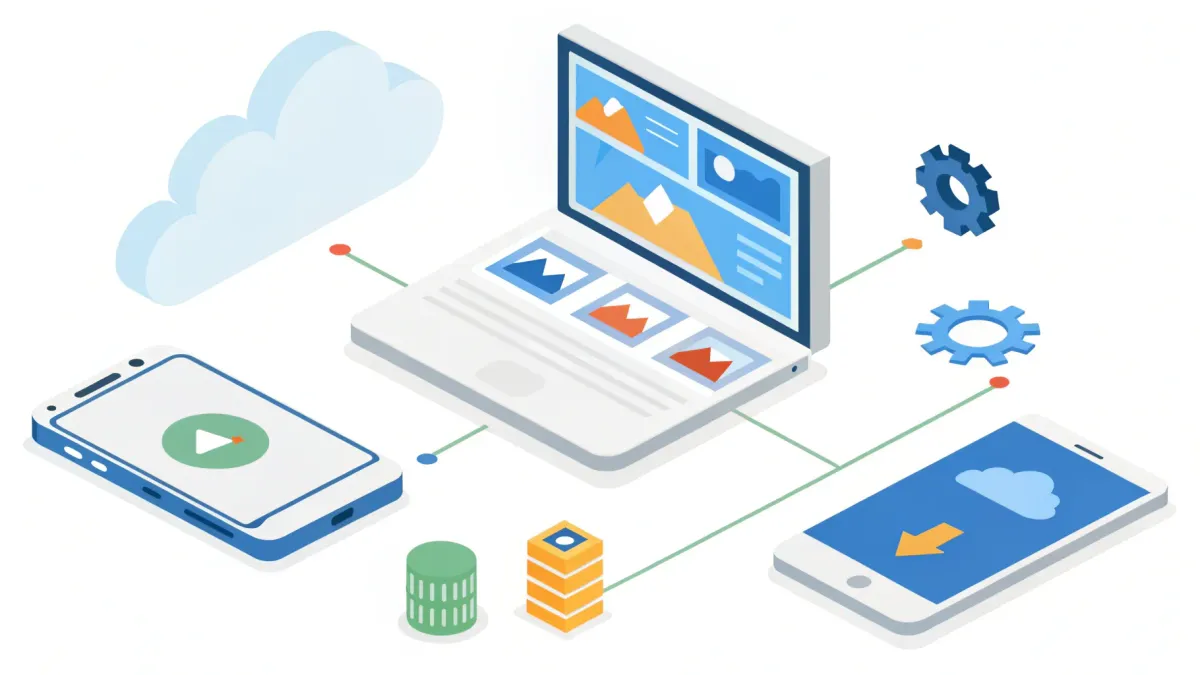
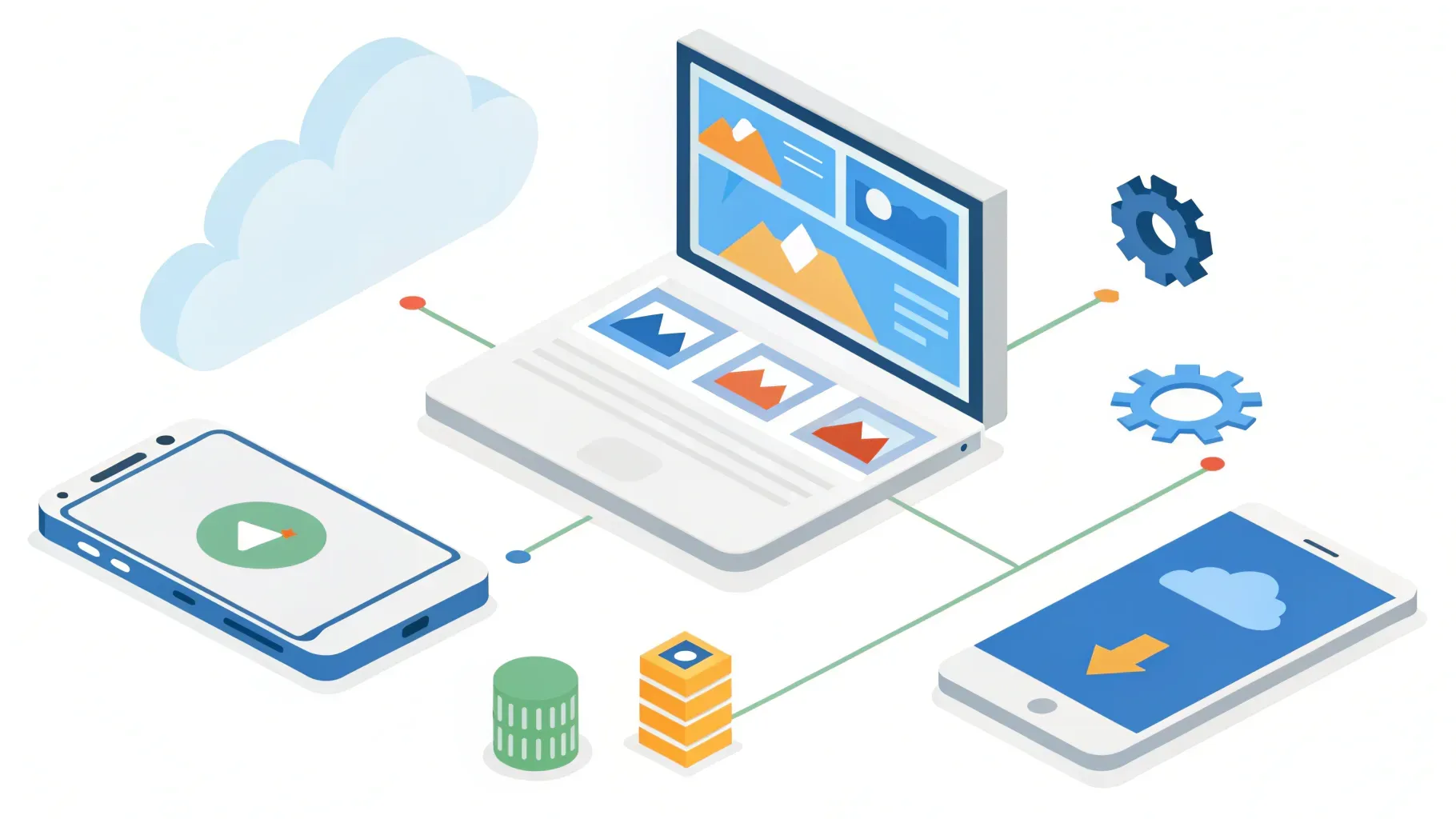
We want to show you a simple, practical way to send multimedia—images, videos, documents, and audio—to customers automatically, without manual intervention. In a recent tutorial created by the channel’s author, we walked through how to set up an automation that delivers media files through WhatsApp messaging. Here, we expand that walkthrough into a clear, step-by-step guide you can use to implement this for your own business. Our goal is to help you reduce repetitive tasks, keep customers informed, and deliver richer messages that improve responses and conversions.
Table of Contents
- Why this feature matters
- Core concept: the customer service window
- Common use cases where media automation shines
- What you need before you begin
- Supported media types and limits
- Step-by-step: How we set up media delivery in an automation workflow
- Best practices for media automation
- Testing, monitoring, and quality checks
- Troubleshooting common issues
- Examples of practical workflows we use
- Compliance, consent, and respectful communication
- Cost and message allowance clarity
- Frequently Asked Questions (FAQ)
- Final checklist before you launch
- Closing thoughts
Why this feature matters
Most businesses communicate with customers via text only. But when you add images, video, documents, or voice notes to the flow, the quality of the interaction jumps dramatically. Sending an invoice PDF, a short video showing directions to a meeting spot, a signed document, or a voice clarification can close the loop faster and reduce follow-up questions.
Automating media delivery saves time. Instead of manually attaching files and composing messages every time a customer pays, books, or asks a question, we can create a workflow that does it for us. That means fewer errors, faster responses, happier customers, and a more professional experience every time.
Core concept: the customer service window
The single most important rule to understand is the concept of the customer service window. This is a 24-hour window that allows us to send rich media messages to a customer via WhatsApp without using pre-approved templates. Here’s how it works in plain language:
- If a customer sends us a message, a 24-hour window opens immediately.
- Every time the customer sends another message, that 24-hour window resets.
- While that window is open, we can send images, videos, documents, and audio messages through an automated workflow.
- If the window is closed, attempts to send media will fail. To re-open the window, we must send an approved outbound template that the customer receives.
Understanding this window is the backbone of reliable media automation. If we plan workflows around it, we can be confident that our media messages will be delivered when expected.
Common use cases where media automation shines
Here are practical scenarios where we recommend adding media to automation flows:
- Automated invoices: Send a PDF invoice the moment a payment clears so customers always have a record without asking.
- Appointment directions: Automatically send a short map screenshot or a quick video showing a meeting point for in-person appointments.
- Onboarding kits: Deliver welcome documents, checklists, or short tutorial videos after a sign-up.
- Support attachments: Send a user manual, troubleshooting PDF, or recorded walk-through to solve common issues faster.
- Voice clarifications: When tone matters, automate a brief voice note to explain billing, timelines, or next steps.
- Location previews: Share a short video to help a contractor locate a property or show a route for an event.
What you need before you begin
Before we set up media automation, make sure these prerequisites are in place:
- We have a verified WhatsApp-enabled phone number inside the solution.
- We can receive inbound messages from customers so they can open the 24-hour service window.
- If we plan to send media outside the 24-hour window, we have at least one approved template set up for outbound messaging to reopen the window.
- Media files adhere to WhatsApp’s size and format limits (see the next section for specifics).
- We respect customer consent and local messaging regulations—don’t send unsolicited messages.
Supported media types and limits
To avoid errors, we must use supported file types and stay within size limits. Here’s the straightforward breakdown:
- Images: JPEG or PNG — up to 5 MB.
- Videos: MP4 or 3GP (H.264 video + AAC audio recommended) — up to 16 MB.
- Audio: AAC, AMR, MP3, M4A, or OGG (OPUS) — up to 16 MB.
- Documents: TXT, PDF, DOC/DOCX, PPT/PPTX, XLS/XLSX — up to 100 MB.
Trying to send files larger than these limits will result in an error. If we must deliver large files, we should either compress them, split them into multiple parts, or provide a secure download link in a text message (while respecting privacy and security). Always choose formats that are universally supported by smartphones to reduce friction for our customers.
Step-by-step: How we set up media delivery in an automation workflow
Below is a clear, step-by-step guide to create an automation that sends media via WhatsApp. We’re keeping the instructions non-technical and practical.
- Open the automation area of the platform: From the main menu, we go to the automation section and select workflows.
- Create a new workflow: Start from scratch or copy an existing workflow that already handles the trigger we need (payment, booking, inbound message, etc.).
- Define the trigger: Choose the event that should begin the workflow—examples include a payment confirmation, appointment booking, or the receipt of a customer message. The trigger determines when the workflow runs.
- Enable the customer service window check: Add a conditional step to confirm that the 24-hour window is open. This step ensures the media action only runs while the window is active, preventing failed sends.
- Add a WhatsApp media action: In the action list, search for the WhatsApp media action (it may be listed as a media message or similar). Select it to add it to the workflow.
- Choose the 'from' number: If we manage multiple WhatsApp numbers in the platform, select which business number should send the media file.
- Select media type and upload the file: Choose image, video, audio, or document, then upload the file from our computer or the platform’s content library. Make sure the file meets the supported formats and sizes.
- Add a caption (optional): For images, videos, and documents we can include a caption. This is useful for providing context or next steps (for audio files, captions are ignored, so don’t rely on them).
- Save the action and publish the workflow: Save the action, and then publish the workflow so it’s live and will run when the trigger fires.
- Add customers to the workflow: Attach a contact, list, or segment to the workflow. We can add customers manually for testing or set it to run automatically when the trigger occurs.
- Test the workflow: Trigger the workflow with a test contact to confirm the media message arrives as expected while the customer service window is open.
Notes about captions and custom values
Captions are supported for images, videos, and documents. They can include dynamic values (like customer name, appointment time, or invoice number) to personalize the message. Audio files do not support captions—any text entered will be ignored—so plan to include necessary text either in a preceding or subsequent message.
Best practices for media automation
We recommend the following tactics to make media automation reliable and customer-friendly:
- Use the customer service window to your advantage: Encourage customers to send a short message when they book or pay (for example, “Hi, I’ve booked!”). That opens the 24-hour window and gives us time to deliver rich media.
- Keep media small and focused: Short videos (15–30 seconds) and compressed images reduce delivery time and reduce the chance of errors.
- Personalize captions: Use custom values like first name, appointment time, or order ID to make messages feel human and relevant.
- Test different formats: Some customers may prefer a PDF invoice, others a snapshot. Offer both when possible, or let customers choose their preference during onboarding.
- Fallback messaging: If the 24-hour window is closed, have a fallback text message ready that explains next steps and offers to re-open the conversation with a simple reply.
- Log deliveries: Keep a record of successful and failed deliveries so we can follow up proactively if a media message fails.
- Don’t over-send: Even though media during the service window is commonly allowed without extra costs, we should avoid sending too many large files at once—it can overwhelm recipients and clog support channels.
Testing, monitoring, and quality checks
We always test automation flows before rolling them out. A short checklist we use:
- Confirm the 24-hour window opens when the test contact sends a message.
- Send the actual media file and validate the format and playback on both iOS and Android devices.
- Check the caption personalization fields for correct values and formatting.
- Test the fallback flow by closing the window and attempting a media send—confirm the failure handling is clear and customer-friendly.
- Review delivery statuses and error messages so we can resolve problems quickly.
Monitoring should be continuous. A single failed invoice or missed appointment video can create confusion and extra support work. When we see repeated failures, we troubleshoot file sizes, formats, or the configuration of our sending number.
Troubleshooting common issues
Here are problems you might encounter and simple steps to fix them:
- Media fails to send: Most commonly the 24-hour service window is closed, or the file exceeds size limits. Check the window status and file size first.
- Customer reports poor playback: Compress videos using H.264 video codec and AAC audio. Use MP4 for broad compatibility.
- Captions missing or incorrect: Verify that captions were included for images, video, or documents. Remember that audio captions are not supported.
- Contacts aren’t triggered: Ensure the workflow trigger matches the contact’s event and that the contact is in the correct segment or list.
- Delivery errors with specific numbers: Some phone numbers may have restrictions; re-confirm the customer’s ability to receive WhatsApp messages and that the number is formatted correctly in the system.
Examples of practical workflows we use
Here are three example workflows we’ve implemented and why they work:
1. Automated Invoice After Payment
- Trigger: Payment completed event.
- Check: Customer service window open.
- Action: Send PDF invoice as a document with a caption that includes the order number and a thank you message.
- Fallback: If the window is closed, send a text that explains the invoice will be delivered via WhatsApp once the customer replies or after we send an approved template.
Why it works: Customers receive a professional receipt without waiting for support. The caption personalizes the message and decreases payment disputes.
2. Appointment Confirmation with Directions
- Trigger: Appointment booked.
- Check: Customer service window open.
- Action: Send a short map screenshot as an image and a 20-second video showing the entrance. Include a caption with the appointment time and parking details.
- Fallback: Send a text asking the customer to confirm to receive directions.
Why it works: Visual directions reduce late arrivals and last-minute calls. A short video clarifies tricky locations that descriptions alone cannot convey.
3. New Client Welcome Kit
- Trigger: New client added to CRM.
- Check: Customer service window open (prompted by a welcome message from the client, or reopen via template if needed).
- Action: Send a welcome PDF outlining steps, a short orientation video, and a checklist image. Use captions to guide the client to the next step.
- Fallback: If the window is closed, send a short text inviting the client to say “Hello” to receive their welcome kit.
Why it works: New clients get all necessary materials quickly, reducing onboarding time and questions. Multiple media types cover different learning preferences.
Compliance, consent, and respectful communication
We must always consider consent and user experience. Sending unwanted media is intrusive and can hurt our reputation. Follow these practical rules:
- Only message customers who have agreed to receive messages through WhatsApp.
- Clearly explain what types of messages they will receive when collecting consent.
- Give customers an easy way to stop receiving messages or opt out of media sends.
- Respect privacy: avoid sending sensitive documents unless they are encrypted or the customer explicitly requests them.
Being transparent about how we use messaging helps us maintain trust. We commit to no hidden fees, clear pricing, and real support—so customers are never surprised by a message or a charge.
Cost and message allowance clarity
One of the benefits of sending media while the service window is open is that these messages typically do not incur the same outbound template costs. Practically, that means:
- Media sent during the open 24-hour window usually does not count against outbound template quotas and is not billed separately in the same way as template sends.
- We can send multiple media files within the window without unexpected fees—however, we should still be mindful about the volume and size of files we send to protect customer bandwidth and reputation.
We always confirm pricing and billing policies with our account settings in the platform so there are no surprises.
Frequently Asked Questions (FAQ)
Q: When can we send WhatsApp media messages?
A: We can send media messages only while the 24-hour customer service window is open. The window opens each time the customer sends an inbound WhatsApp message and lasts for 24 hours from the timestamp of that message. If the window is closed, media sends will fail.
Q: Are media messages free when the window is open?
A: Media messages sent during the open 24-hour window are typically allowed without the additional outbound template costs that apply to other types of messages. While this generally means no extra fee for media in the window, we still ensure our usage is reasonable and aligned with our pricing plan to avoid unexpected charges.
Q: What if we try to send media after the 24-hour window closes?
A: The media message will fail. To reopen the window, we must send an approved template that the customer receives—this is typically an approved utility or marketing template that restarts the allowed outbound messaging window.
Q: What media file sizes and formats are allowed?
A: Use the following rules:
- Images: JPEG or PNG — up to 5 MB.
- Videos: MP4 or 3GP (H.264 + AAC recommended) — up to 16 MB.
- Audio: AAC, AMR, MP3, M4A, or OGG (OPUS) — up to 16 MB.
- Documents: TXT, PDF, DOC/DOCX, PPT/PPTX, XLS/XLSX — up to 100 MB.
Q: Can we add captions to all media types?
A: Captions are supported for images, videos, and documents. Captions are not supported for audio files—any text entered for an audio file caption will be ignored. For audio, send a preceding or follow-up text message for context.
Q: How do we handle large files that exceed limits?
A: Compress the media, split large documents into smaller files, or provide a secure download link in a text message (while ensuring privacy and security). For very large or critical files, consider alternative channels that support larger transfers.
Final checklist before you launch
Before deploying media automation broadly, confirm the following:
- Our sending number is configured correctly and verified.
- We have tested the workflow with both iOS and Android devices.
- All files meet format and size requirements.
- Captions are personalized and correct.
- Fallback messaging is in place for closed windows.
- Consent practices and opt-out mechanisms are clearly communicated and easy to use.
- Monitoring and logging are enabled to catch any failed deliveries early.
Closing thoughts
Adding media to our automated messages is a practical way to elevate customer experience while saving time. It reduces friction, answers questions faster, and makes communications feel more human. When we build workflows around the 24-hour customer service window, we can reliably deliver invoices, directions, onboarding materials, and more—without manual effort.
We recommend starting small: pick one high-impact use case like invoices or appointment directions, set up the workflow, and test thoroughly. Once it runs smoothly, expand to other areas such as onboarding or support. With good testing, clear consent, and a focus on helpfulness, media automation becomes a powerful tool for growing teams and busy businesses.
"It's a 24-hour window where you can send those media files." — A clear rule we build our automations around to ensure success.
We’re here to help you make media automation work for your business. Keep automations simple, be transparent with customers, and prioritize helpfulness over volume. That way, we save time, reduce tech headaches, and keep the focus on what matters most—serving customers well.