Unlock Desk Phones in Your Business Software – The SIP Setup Nobody Shows You

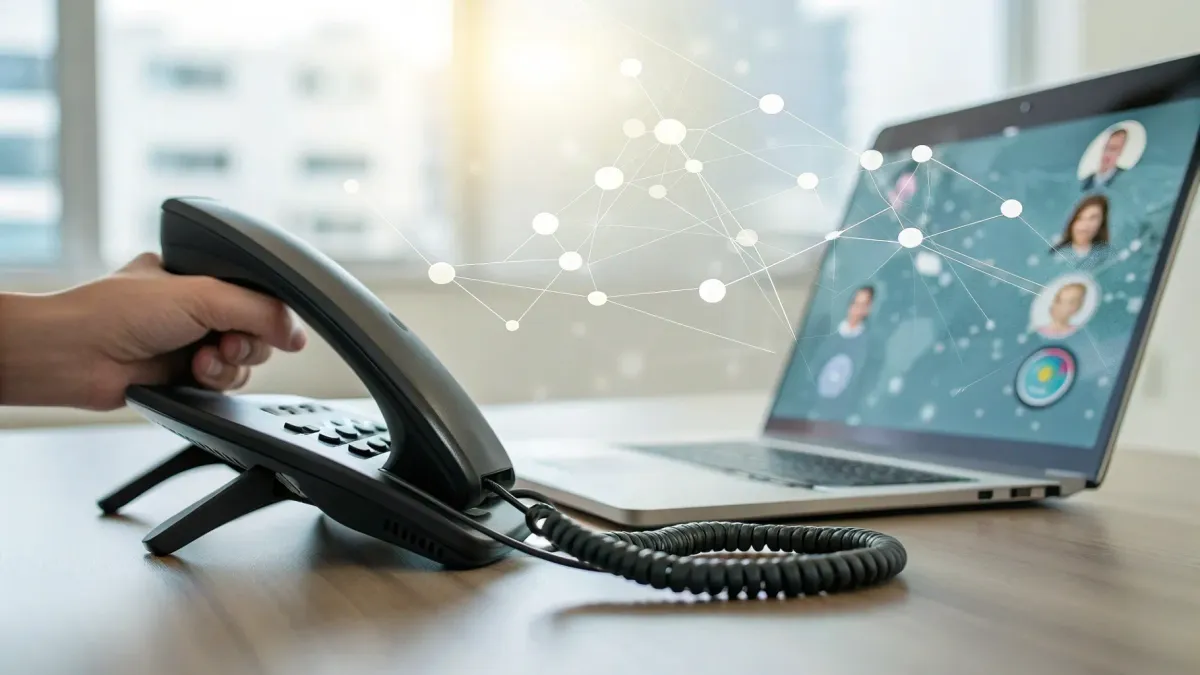
In our original video, Andrew George walks us step-by-step through one of the most underused but powerful features of the platform: using a desk phone (a SIP/VoIP device) with your phone number inside the platform so you can get call transcriptions, trigger automations, and keep every conversation tied to the contact record in your CRM. In this article we expand on that walkthrough, explain why this matters, show the exact setup steps you’ll follow in the platform, and share practical tips and troubleshooting advice we’ve gathered from real-world installs.
We created this guide for agency teams, small business owners, and anyone who still relies on a desk phone but wants the advantages of a modern CRM-driven telephony system. If you want unified call records, automated workflows, and the comfort of a physical handset at your desk — this is for you.
Table of Contents
- Why connect a desk phone to your platform?
- Who should do this?
- Simple checklist before you start
- Overview of the setup process
- Step-by-step: Create your SIP endpoint and extension
- Enable desk phone access on the staff account
- Provisioning the physical desk phone
- Managing multiple devices and end users
- Testing calls and confirming CRM integration
- Practical settings and ring strategies
- Security and best practices
- Common problems and quick fixes
- Real-world use cases and scenarios
- What this won’t do
- How this saves time and reduces tech headaches
- Transparent pricing and support expectations
- Checklist to complete before you finish
- FAQ
- Final thoughts
Why connect a desk phone to your platform?
Putting a desk phone on your business platform is about more than nostalgia. It’s about bringing the simplicity and reliability of a physical handset into the same system that manages your contacts, automations, and reporting. Here are the core benefits we care about:
- All calls tied to contacts: Incoming and outgoing calls using your desk phone can be logged inside the CRM so every conversation is discoverable and actionable.
- Transcriptions and recordings: Voice-to-text and recordings allow team members to quickly skim what was discussed without listening to entire calls.
- Automations triggered by calls: Missed call follow-ups, SMS reminders, lead status changes, and workflow entries can all be triggered based on call events.
- Consistent phone number usage: Use the same business number whether you’re on mobile, browser calling, or the desk phone — customers experience a single, consistent identity.
- Better work-life balance: We can route calls to the desk phone only during office hours so people aren’t disturbed outside of work time.
- Easy adoption for corporate or agency clients: Many companies already use desk phones; this setup lets them adopt modern CRM features without changing hardware.
Who should do this?
This setup is valuable for a variety of users:
- Agencies managing multiple business phone numbers or client accounts.
- Corporate teams and receptionists who prefer physical handsets.
- Small businesses with a dedicated office line and employees at desks.
- Remote teams that want the tactile experience of a desk phone but with cloud telephony features.
Simple checklist before you start
Before diving into configuration, make sure you have the following:
- A platform subaccount: You need access to the specific account or subaccount where the phone number lives.
- A SIP/VoIP-compatible desk phone: Analog landline phones will not work. Confirm the model supports SIP/VoIP provisioning.
- Network access: A reliable Ethernet connection for the desk phone and access to the local network where the phone will be used.
- User already created in the platform: The desk phone must be assigned to a user who exists in the subaccount.
- Admin or permissions to manage phone numbers: You’ll need the ability to modify advanced settings for numbers and staff settings.
Overview of the setup process
We’ll break the process into clear phases so it’s easy to follow:
- Create the SIP endpoint and extension inside the platform.
- Enable desk phone access for the platform user in staff settings.
- Provision the physical desk phone using the generated username, extension, and password.
- Test calls, confirm call logging/transcriptions, and tweak ring settings.
Step-by-step: Create your SIP endpoint and extension
We start inside the subaccount that holds the phone number. The platform groups telephony controls per subaccount, so be sure you’re in the correct one.
Follow these steps inside the platform:
- Go to the Phone Numbers area for the subaccount.
- Find the number you want to use and open Advanced Settings.
- Choose the option for VoIP desk phone or SIP. The exact label may vary, but you’re looking for SIP/VoIP desk phone settings.
- Start the SIP setup. You’ll be asked to create a SIP domain/endpoint. The system will suggest a location-based domain. Note: this domain can typically be set once, so pick something clear — usually your business name or location.
- Create an extension or username. Extensions can be numeric (we recommend 3–5 digits) or a short name. As an example, we used 501 during testing. Choose what makes sense for your team (e.g., 101 for reception, 201 for sales).
- Enter a secure password for the extension. Save this somewhere safe — we recommend copying it into your secure notes manager right away.
- Assign the extension to a user in the subaccount. That user will be the primary owner of the desk phone configuration.
- Click Save to create the SIP endpoint and extension.
Two important tips here:
- Pick an extension format that fits your internal dialing plan. If you plan to have multiple devices per user, decide how you’ll number them now.
- Save the extension credentials immediately. If you lose the password you created, you may need to regenerate it and re-provision the handset.
Enable desk phone access on the staff account
After creating the extension, check the staff settings to ensure the assigned user has desk phone access enabled. In most cases the platform will toggle this automatically for the user, but we always verify the following:
- The user appears in the subaccount and is active.
- There’s a setting to enable desk phone or SIP for that staff member — make sure it’s turned on.
- Review the user’s forwarding preferences. You can often set the default channel order (for example: ring browser, ring mobile, ringdesk phone) or choose whether the desk phone should ring at all.
We recommend configuring the ring sequence and default channel behavior now. It avoids missed calls later and helps you control where calls land during different parts of the day.
Provisioning the physical desk phone
Provisioning varies by phone model, but the common steps are the same. The goal is to enter the extension credentials into the phone so it can register with the SIP endpoint you just created.
Typical hardware you’ll see in the box:
- Handset (the actual phone body)
- Ethernet cable to connect to your LAN
- Power adapter or PoE (Power over Ethernet) functionality
- Handset cord to attach the receiver
General provisioning steps:
- Power up the desk phone and connect the Ethernet cable to your office network.
- Access the phone’s settings screen (the phone will usually display an IP address you can use to access a web interface, or a local menu for configuration).
- Enter the SIP server/domain or endpoint exactly as provided by the platform. Often this looks like a location.sip.platform.example style address generated earlier.
- Enter the extension (username) and password you saved during the platform setup.
- If prompted, enter the authentication username (usually the extension) and confirm port settings remain at defaults unless your network administrator asks for changes.
- Save the configuration and allow the phone to register. The phone will typically display a registered status when successful.
We emphasize following the manufacturer’s onboarding steps for your model. Each vendor has unique menus, but the same fields are required: SIP server, username (extension), and password.
What to expect during provisioning
When the phone successfully registers:
- The handset status will show a registered or connected icon.
- Incoming calls to your platform number will ring the desk phone based on the call routing you set.
- Calls made from the desk phone will present the assigned business number and will be logged in the CRM.
If the phone shows an error, double-check the SIP server name, extension, and password. If the device never registers, your network may be blocking SIP traffic — ask your IT person to check firewall rules or NAT settings.
Managing multiple devices and end users
The platform has an area to manage devices and end users. This is where you can:
- Add or remove device records tied to users.
- See which extensions are active and which devices are registered.
- Revoke or rotate passwords for security.
We like to maintain a short inventory spreadsheet with phone serial numbers, user assignments, extension numbers, and installation dates. That makes it easy to troubleshoot and supports audits if a device needs to be moved or replaced.
Testing calls and confirming CRM integration
Once the device is provisioned, run through these verification steps:
- Call the business number from an external mobile phone to confirm the desk phone rings.
- Answer the call and check that the call is logged inside the CRM against the correct contact (or as an anonymous call if the number isn’t known).
- Make an outbound call from the desk phone and confirm the call appears as outgoing on the contact record.
- Look for call transcription (if enabled) and recordings to appear in the contact’s communication timeline.
- Trigger a missed-call automation by letting the phone ring out. Confirm that the expected automation (SMS follow-up, task creation, or email) fires.
Testing these workflows before rolling the phones out to everyone prevents surprises and gives teams time to refine automations and ring schedules.
Practical settings and ring strategies
How you route calls matters. We typically recommend a simple, predictable setup:
- Reception/Front Desk: Ring all devices assigned to the reception team simultaneously.
- Sales: Route inbound leads to individual extensions; if the user is unavailable, fall back to voicemail or a shared queue.
- Support: Use a queue and overflow rules so calls are handled within SLA windows.
- After-hours: Disable desk phone ringing and forward to a voicemail or a monitored mobile on a reduced schedule.
These strategies help maintain response consistency and reduce the number of missed calls during busy periods.
Security and best practices
We keep security simple and practical:
- Use strong, unique passwords for each extension and rotate them periodically.
- Restrict administrative access to phone provisioning to a small set of trusted admins.
- Keep firmware on desk phones up to date to avoid known vulnerabilities.
- If possible, isolate SIP devices on a VLAN to reduce exposure and prevent local network issues from affecting the phones.
These steps reduce the risk of unauthorized registrations and ensure the phone system remains stable.
Common problems and quick fixes
We’ve seen predictable problems during setup. Here’s how we recommend addressing them:
- Phone won’t register: Double-check the SIP server address, extension, and password. Confirm the phone has internet access and the network isn’t blocking SIP traffic.
- No incoming calls: Verify call routing in the platform and confirm the number is mapped to the SIP endpoint/extension.
- Outgoing calls show a different number: Ensure the extension is assigned to the correct business number in the platform’s advanced settings.
- Transcriptions not appearing: Confirm call recording and transcription features are enabled for that number and subaccount.
- Poor call quality: Check the network for bandwidth issues and consider QoS or a dedicated phone VLAN to prioritize voice traffic.
Real-world use cases and scenarios
We find the desk phone integration is particularly useful in these scenarios:
- Agencies managing client accounts: Agencies can give clients the physical handset experience while keeping call data centralized for reporting and billing.
- Corporate reception desks: Receptionists can handle inbound traffic using a familiar handset while every call is logged for compliance and reporting.
- Sales teams in-office: Sales reps who prefer desk phones can still benefit from call transcriptions and automated follow-up workflows.
- Home office teams with desk phones: Individuals who work from home but want a desk phone can bring the same experience into the CRM and keep personal numbers private.
One practical advantage we often highlight is work-life balance: by routing business calls to a desk phone at the office and not to personal devices, teams have clearer boundaries. We can set do-not-disturb outside business hours and ensure important missed-call automations still run so customers are followed up with on schedule.
“You can now take back your work life balance and only take calls when you're at your place of work.”
That quote captures a big, practical benefit: one place to manage calls and boundaries.
What this won’t do
We want to be upfront about limitations:
- This integration requires a SIP/VoIP-compatible desk phone. Analog/POTS phones won’t work without an adapter and additional configuration.
- Some advanced handset features that rely on a particular provider’s cloud may not be available. The core calling, registration, and basic call control will work as expected.
- Configuration steps for phones vary by manufacturer — the platform provides the SIP credentials, but the exact menu paths on the device will differ.
How this saves time and reduces tech headaches
We see three big productivity wins from integrating desk phones with the platform:
- Reduced duplicate work: No more manually logging calls into the CRM — every call is captured automatically.
- Faster follow-ups: Automations can immediately start after a call ends, so leads get timely messages or tasks without manual intervention.
- Simplified device management: Admins can provision, monitor, and rotate desk phones from one central platform area rather than juggling multiple vendor portals.
These benefits translate into more predictable lead handling, fewer dropped tasks, and a quieter operational life for administrators.
Transparent pricing and support expectations
We always emphasize transparency. When you add desk phones to your account, confirm whether any add-on telephony features (like call transcription, recording storage, or additional call minutes) incur extra charges. Ask for a clear explanation of what’s included at no extra cost and what might be billed separately.
Additionally, ensure you know how support is handled — whether via email, chat, or phone — and the expected turnaround for configuration or provisioning assistance. Clear support and simple pricing reduce surprises and keep projects on schedule.
Checklist to complete before you finish
Use this final checklist to ensure a smooth rollout:
- Created SIP endpoint and extension in the platform.
- Saved extension username and password in a secure place.
- Enabled desk phone access for the assigned user in staff settings.
- Configured ring order and default channel preferences.
- Provisioned the handset with the SIP server, username, and password.
- Tested inbound and outbound calls and verified CRM logging, recordings, and transcriptions.
- Documented device assignments and serial numbers for future reference.
- Reviewed security basics (password rotation, firmware updates, VLANs if needed).
FAQ
Do analog desk phones work with the system?
No. Analog landline phones won’t work natively. You need a SIP/VoIP-compatible handset. If you have analog hardware, you would need additional gateway equipment to convert analog to SIP, which adds complexity and potential points of failure.
Can multiple devices use the same extension?
In many cases you can register multiple devices to the same extension, but behavior varies by device and platform settings. We recommend assigning unique extensions per physical device where possible to reduce confusion and make call records clearer.
Will calls still appear in the CRM if I answer on the desk phone?
Yes. When the desk phone is registered to the platform using the extension tied to the user and number, inbound and outbound calls will appear in the contact’s activity timeline just like browser or mobile calls.
Are call recordings and transcriptions automatic?
Recordings and transcriptions typically require that the features be enabled for the number or subaccount. Confirm these settings in the telephony section and make sure storage and transcription allowances are included in your plan to avoid unexpected charges.
What happens if the desk phone loses power or internet?
The desk phone will lose registration and fail to ring. The platform’s call routing will then follow your fallback rules (voicemail, call queue, or forwarded numbers). We recommend having a clear fallback plan so calls continue to be handled during an outage.
Can we control when the desk phone rings (business hours)?
Yes. Configure business hours and the platform will route calls differently outside those hours — for example, disable desk phone ringing after hours and route to voicemail or an on-call mobile number.
How do we secure our desk phone extensions?
Use strong unique passwords, limit admin access, keep firmware updated, and consider placing phones on a separate VLAN. Rotate passwords when employees leave or devices are reassigned.
Final thoughts
Integrating a desk phone with your platform gives you the best of both worlds: the reliability and familiarity of a physical handset, and the automation, transcription, and CRM tracking of modern cloud telephony. The setup is straightforward: create the SIP endpoint and extension, assign it to a user, provision the phone with the credentials, and confirm calls appear in the CRM.
We’ve found this approach especially useful for agencies, corporate reception desks, and office-based sales teams who want to keep organizational call data centralized without forcing everyone to change how they work. With a few simple safety and provisioning steps, you can eliminate manual call logging, speed follow-ups with automations, and protect boundaries between work and home — all while keeping transparent pricing and predictable support.
If you’re planning a rollout, follow the checklist in this guide and test thoroughly before going live. That one extra hour of testing saves days of troubleshooting later.
Thanks for reading — we hope this helps you unlock the full potential of your desk phones inside the platform and makes your team’s communication quieter, clearer, and more effective.