How to Set Up SMS and Email Notifications for Your Calendar in the Platform

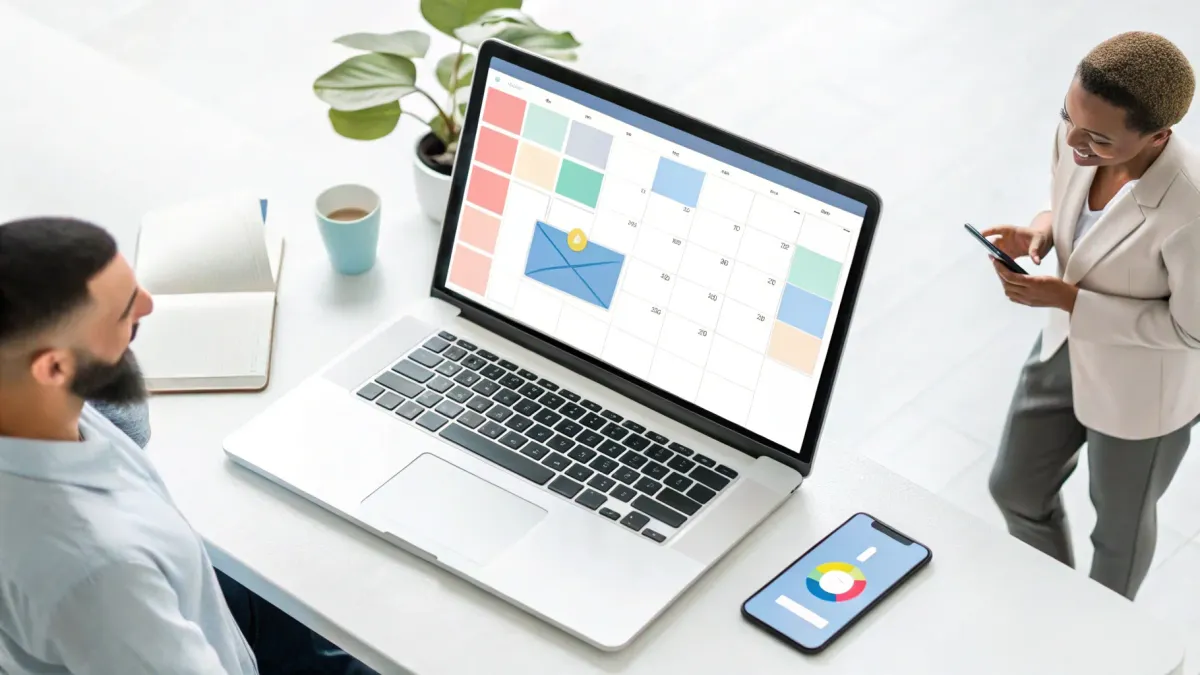
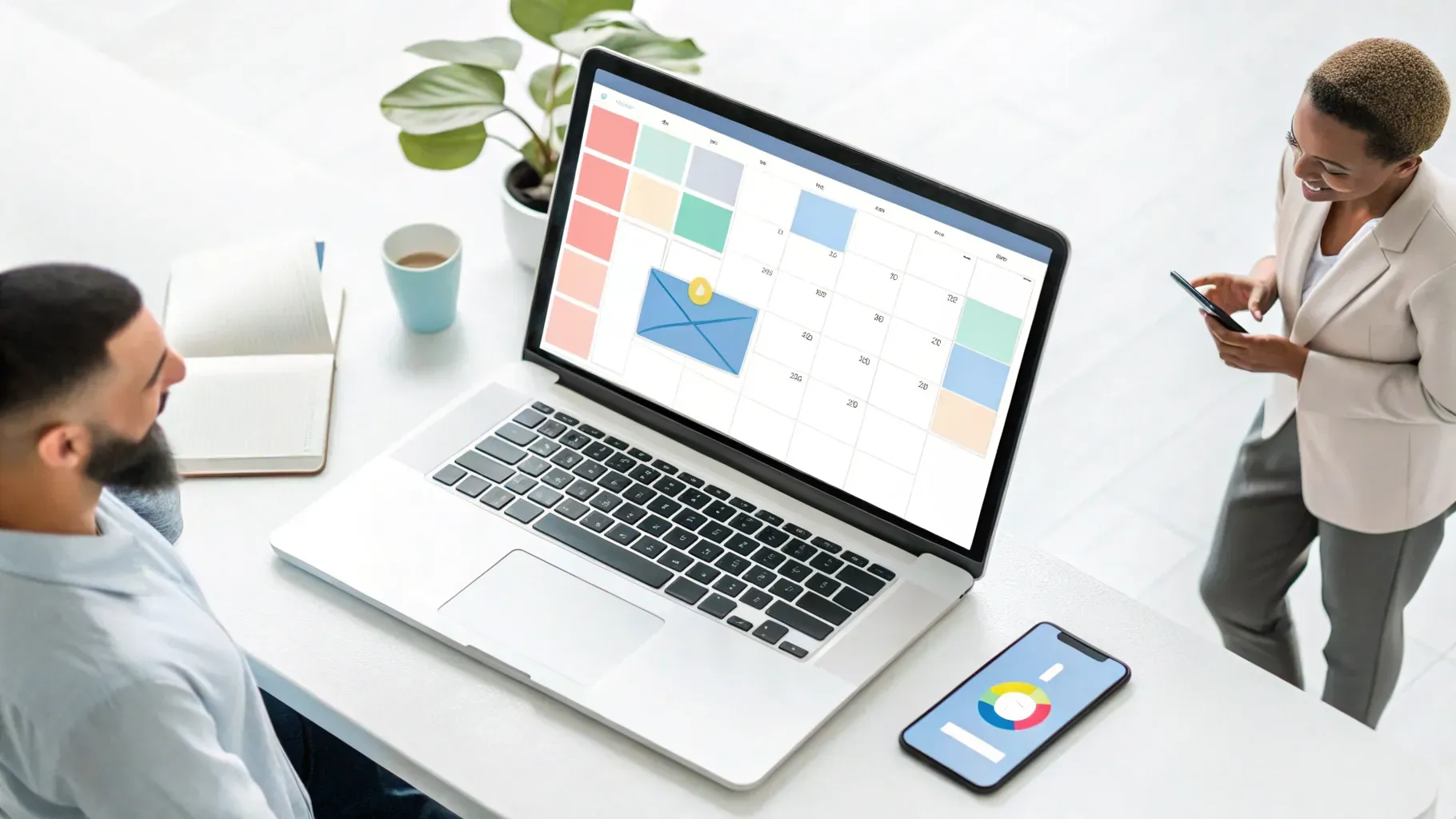
We rely on appointment bookings to keep our businesses moving. When confirmations, reminders, reschedules, and cancellations are handled smoothly, clients show up more often, staff know what to expect, and we spend less time chasing clients and more time doing billable work. In this guide we walk through how to configure calendar notifications inside the platform so every appointment lifecycle event is communicated clearly — via email, SMS, app notifications, and messaging channels — with minimal setup.
Table of Contents
- Why appointment notifications matter
- Overview of events and channels
- Step-by-step setup: calendar-level notifications
- Practical examples of templates and wording
- Multiple reminders: how to decide timing
- Who should receive notifications?
- Simpler setup vs workflows: which should we use?
- Testing and validating notifications
- Tips to reduce no-shows and last-minute cancellations
- Handling messaging consent and opt outs
- Common mistakes and how to avoid them
- Examples of real-world use cases
- Keeping things simple: best practices checklist
- Troubleshooting common issues
- Follow up strategies that build relationships
- Scaling notifications as the team grows
- Transparent pricing and support
- Closing summary
- Frequently asked questions
Why appointment notifications matter
Notifications are not a nicety. They are a core part of a reliable booking experience. Clear, timely messages help us:
- Reduce no shows by sending reminders at key intervals.
- Confirm bookings immediately so clients feel confident their time is reserved.
- Notify internal staff or contractors so everyone meets expectations.
- Handle cancellations and reschedules professionally and automatically.
- Save time by using built-in templates instead of building full automations for basic needs.
Setting up notifications at the calendar level gives us a fast, consistent way to manage these touch points without building complex workflows for every appointment type. We can enable the right channels and templates in a few clicks and be up and running within minutes.
Overview of events and channels
The platform breaks appointment notifications into the key events that matter. At a minimum we want to think about these events when designing our communications:
- Appointment booked — when a new appointment is created.
- Status unconfirmed — when the booking requires confirmation (optional depending on your workflow).
- Status confirmed — when the appointment is confirmed for both client and staff.
- Cancellation — when a booking is canceled.
- Reschedule — when an appointment is moved to a new time.
- Reminder — time-based reminders leading up to the appointment.
- Follow up — messages after the appointment for feedback, next steps, or offers.
We can deliver these messages across several channels. The commonly available channels are:
- Email — best for detailed confirmations, receipts, and follow up content.
- SMS — great for quick confirmations and reminders that get high open rates.
- In-app notifications — useful for staff who use the mobile app to manage their schedule.
- Messaging app templates — if we have a connected messaging channel such as WhatsApp, we can send approved message templates for confirmations and reminders.
Step-by-step setup: calendar-level notifications
We recommend configuring notifications directly at the calendar level first because it gives us a simple baseline for every appointment attached to that calendar. Here is a clear, step-by-step approach that mirrors the platform UI and helps us get set up quickly.
- Edit the calendarOpen the calendar you want to configure and click the edit option. Notifications and additional options are set per calendar, so choose the calendar used for the appointment types you want to control.
- Open notificationsFind and select the notifications or additional options tab. You will see a list of appointment events and the available channels for each event.
- Choose the event to configureClick one of the events such as booked, confirmed, canceled, rescheduled, reminder, or follow up. Each event opens the same channel options: email, in-app, SMS, and messaging templates.
- Enable the channels you needToggle on email, in-app, SMS, or messaging as appropriate. For most setups we recommend enabling email and SMS at minimum. In-app is important for staff who rely on the mobile app. Messaging templates are optional and require pre-approved templates if you plan to use them.
- Pick recipientsFor each enabled channel we can choose recipients: the contact (the person who booked), the assigned user (the staff member), and any additional emails or phone numbers for managers or admins who should be copied.
- Choose or edit templatesThe platform comes with default templates. We can select an existing template or edit the text in place. Templates can use custom values to personalize messages such as client name, appointment time, or staff name.
- Set reminder timingsWhen configuring reminders, add multiple reminders if desired. Common schedules include one day before, a few hours before, and a last-minute reminder like 10 or 5 minutes before the appointment. You can add these timing options for both contact and assigned user notifications.
- Save and testSave your changes and test them by sending a test SMS or creating a test appointment. Verify the language and time intervals are working as expected.
Practical examples of templates and wording
We want messages that are concise, clear, and actionable. Below are sample templates that we can copy into the platform or use as inspiration. These are written to work well across different service businesses.
Appointment confirmation — email
Subject: Your appointment is confirmed
Hi {{contact.first_name}},
Thanks for booking with us. This email confirms your appointment with {{assigned_user.name}} on {{appointment.start_time}} at {{appointment.location}}.
- What to bring: any documents or items relevant to the appointment.
- How to reschedule or cancel: reply to this message or update your booking in our client portal.
- Need to contact us right away? Call or message us at the number on your booking confirmation.
We look forward to seeing you.
Best regards,
{{business.name}}
Appointment confirmation — SMS
Hi {{contact.first_name}}. Your appointment with {{assigned_user.name}} is confirmed for {{appointment.start_time}}. Reply STOP to opt out. Need to reschedule? Reply RESCHEDULE or call us at the number on your confirmation.
First reminder — SMS (1 day before)
Reminder: Your appointment with {{assigned_user.name}} is tomorrow at {{appointment.start_time}}. Reply 1 to confirm attendance or call us if you need to reschedule.
Last-minute reminder — SMS (10 minutes before)
Final reminder: Your appointment starts in 10 minutes. Please arrive a few minutes early so we can begin on time.
Cancellation notification — email to staff
Subject: Appointment canceled — {{contact.first_name}} on {{appointment.start_time}}
Hi {{assigned_user.name}},
The following appointment has been canceled: {{contact.full_name}} on {{appointment.start_time}}. Please update your calendar and contact the client if needed.
Thanks,
{{business.name}}
Multiple reminders: how to decide timing
Sending more than one reminder can significantly reduce no-shows, but we should balance value with client comfort. Below is a practical schedule we use often:
- 24 hours before: a confirmation and short checklist of what to bring.
- 2 hours before: a gentle reminder and any last-minute logistics like parking or entry instructions.
- 10 or 5 minutes before: a short final nudge confirming the appointment is starting soon.
We typically use email for the 24-hour message when we want to include details, and SMS for the 2-hour and final reminders because they get immediate attention. If the assigned staff member needs a heads-up, enable similar reminders to their in-app or SMS channels so they are prepared.
Who should receive notifications?
We define recipients based on role and need-to-know. The basic recipients include:
- Contact — the client or customer who booked the appointment.
- Assigned user — the staff member who will deliver the service.
- Additional team members — managers or coordinators who should be copied on certain events.
For confirmations and reminders, the contact is always included. For internal communications like cancellations or reschedules, we often include assigned users and a manager to keep schedules accurate. For follow ups, we might only notify the contact, or both contact and assigned user if internal notes or service follow up is required.
Simpler setup vs workflows: which should we use?
There are two common approaches to automated communications:
- Calendar-level notifications — quick to set up, ideal for most use cases. These require virtually no automation building and give us reliable coverage for the standard appointment lifecycle.
- Workflows or automations — more flexible and powerful for complex, conditional flows. Use these when messages must vary based on payment status, appointment type, client segment, or when additional triggers beyond appointment events are needed.
We recommend starting with calendar-level notifications because they save time, reduce complexity, and cover 90 percent of scheduling needs. Once we identify specialized cases, we can add targeted workflows for those exceptions.
Testing and validating notifications
Before going live, test every enabled channel. A quick testing checklist we follow:
- Create a test appointment with a test contact and assigned user.
- Verify email confirmations arrive and display correctly in both desktop and mobile clients.
- Send test SMS messages to a staff phone to confirm shortcode or long-code behavior and message length.
- If using a messaging channel, confirm approved templates are used and that they appear without template errors.
- Verify that in-app notifications appear for assigned users and include relevant appointment details.
- Test reminder timing by temporarily setting short lead times, then revert to production timings after verification.
Testing prevents embarrassing situations like incorrect appointment times, missing location details, or messages that look unprofessional. Once testing is complete, switch to production reminders and monitoring.
Tips to reduce no-shows and last-minute cancellations
Notifications reduce uncertainty and prompt action. Here are practical tips we use to maximize attendance and minimize last-minute churn:
- Send a confirmation immediately upon booking so the client knows the slot is reserved.
- Offer a clear and easy reschedule option within the confirmation message to reduce no-shows when conflicts arise.
- Use multiple reminder touch points: 24 hours, 2 hours, and 10 minutes works well for many services.
- Include simple actions in messages like Reply 1 to confirm or Reply RESCHEDULE to start the reschedule flow.
- Notify assigned staff via in-app or SMS so they are prepared and can follow up if needed.
- For high-value bookings, include a friendly follow up the day after the appointment to ask for feedback or next steps.
Handling messaging consent and opt outs
When sending SMS or messaging app notifications we must respect opt out and consent requirements. Keep messages clear about how to opt out and offer alternative ways to receive reminders, like email.
- Include standard opt-out instructions in SMS messages when required.
- Log and respect opt-out status so contacts are not messaged again after they unsubscribe.
- Offer an easy way for contacts to re-subscribe if they change their mind, such as a link or a reply keyword.
Common mistakes and how to avoid them
We have seen teams make the same setup mistakes. Here is how to avoid them:
- Not selecting recipients — toggling a channel on but forgetting to check who receives it. Always verify contact and assigned user checkboxes.
- Using poor timing — too many reminders become annoying; too few reduce effectiveness. Use the three-touch cadence as a starting point and adjust based on feedback.
- Skipping tests — not testing message templates leads to typos or missing variables. Send a test appointment to verify variables render correctly.
- Relying on only one channel — some clients prefer email, others SMS. Enable both for critical messages to increase delivery odds.
Examples of real-world use cases
Here are practical setups for common business scenarios:
Medical or wellness clinic
- Enable email confirmations with intake forms attached 24 hours before.
- Send SMS reminders 24 hours and 2 hours prior with location and arrival instructions.
- Notify assigned clinicians in-app 1 hour before to prepare notes and equipment.
Consulting or professional services
- Email confirmation with meeting agenda and Zoom link upon booking.
- SMS reminder 30 minutes prior with a link to join and any required documents.
- Follow up 24 hours later with next steps and a short satisfaction survey.
Field services or home visits
- Confirmation email with technician photo and expected 2-hour arrival window.
- SMS reminder two hours prior and 10 minutes prior with live ETA if available.
- Cancellation or reschedule notifications to both client and dispatch team instantly.
Keeping things simple: best practices checklist
Use this checklist when configuring a calendar so we do not miss essential items:
- Enable both email and SMS for confirmations and reminders.
- Include assigned user notifications for internal coordination.
- Add at least two reminders for client messages: one day and a few hours before.
- Test each channel and template before going live.
- Respect opt outs and keep messages short and actionable.
- Keep templates consistent and professional; personalize where possible with variables.
“Setting notifications at the calendar level gave us instant coverage across our team. No complex automations, just reliable reminders that cut no-shows in half.”
Troubleshooting common issues
If messages are not sending or clients report they are not receiving notifications, check the following:
- Recipient selection: make sure the contact or assigned user checkboxes are enabled for the channel.
- Template errors: verify that variables are correctly formatted and that templates exist for that channel.
- Phone number formatting: confirm international codes and proper formatting for SMS deliverability.
- Messaging templates: if using a messaging app, confirm the template is approved and active.
- Do not disturb or device settings: clients might have silenced notifications or blocked messages; offer an alternative contact method.
Follow up strategies that build relationships
After the appointment, follow up in a way that strengthens the relationship and captures opportunities:
- Send a short thank you message the day after the appointment.
- Ask for feedback or a quick rating to improve service and collect testimonials.
- Provide clear next steps and links to resources or scheduling for follow-on services.
- Use follow ups sparingly and with purpose to avoid fatigue.
Scaling notifications as the team grows
As we add more staff and appointment types, we should keep notifications consistent while allowing exceptions. A few ideas for scaling:
- Create default templates for each calendar and use those as the baseline for all staff.
- Use additional recipient fields to copy team leads only on high-value bookings.
- Reserve complex, conditional messaging for workflows that only run when specific criteria are met.
Keeping the core calendar-level notifications standardized reduces setup time for new team members and prevents mismatched client experiences.
Transparent pricing and support
We favor solutions that bundle notification features without hidden fees. When evaluating your account settings, confirm that message sending costs are clear in your billing. Also set up a simple support route so the team can report issues quickly and we can respond before clients notice problems.
Closing summary
Setting up calendar notifications inside the platform is one of the highest impact, lowest effort improvements we can make. In just a few clicks we can enable email and SMS confirmations, schedule multiple reminders, notify staff in-app, and optionally use messaging templates for additional reach. Start with calendar-level settings to get consistent coverage quickly, then add targeted automations for special cases. Test thoroughly, respect opt-outs, and keep messages concise and helpful. Doing this will reduce no-shows, improve client satisfaction, and free us to focus on delivering great service.
Frequently asked questions
Which appointment events should we enable notifications for by default?
Enable confirmations for new bookings, reminders for upcoming appointments, and notifications for cancellations and reschedules. At minimum we recommend email and SMS for confirmations and reminders, and in-app notifications for assigned staff.
How many reminders should we send and when?
Start with a three-touch schedule: one day before, a few hours before, and a final reminder 10 or 5 minutes before. Adjust frequency based on client feedback and the type of service. Avoid excessive reminders to prevent annoyance.
Can we notify multiple team members about the same appointment?
Yes. The calendar-level settings allow us to include the contact, the assigned user, and additional addresses or phone numbers. Use the additional recipients field for managers or coordinators who need visibility.
Do we need special templates to use messaging apps?
If you plan to use messaging channels that require pre-approved templates, ensure those templates are created and approved before enabling that channel. Email and SMS do not usually require pre-approval, but messaging platforms may.
Should we use calendar-level notifications or build a workflow instead?
Use calendar-level notifications for standard appointment events because they are fast, reliable, and require no automation building. Build workflows when you need conditional logic or complex sequences that vary by client, payment status, or appointment type.
How can we test our setup before going live?
Create a test appointment and send test messages to your own email and phone number. Temporarily set reminders with short lead times to confirm delivery and template rendering, then restore production timings afterward.
What should we include in an SMS reminder to make it effective?
Keep SMS reminders short and actionable. Include the contact first name, appointment time, staff name if relevant, and a clear option to reschedule or confirm. Example: "Hi Sam. Your appointment with Alex is at 2:00 PM today. Reply 1 to confirm or call to reschedule."
How do we handle opt outs for SMS?
Include clear opt-out instructions in SMS messages when required and honor opt-out records in your system. Offer an alternative such as email for clients who opt out of texting.
What are common reasons messages fail to deliver?
Common reasons include incorrect phone number formatting, blocked shortcodes, template errors for messaging apps, and client settings that block notifications. Verify numbers, test messages, and check that templates are approved and correctly formatted.
How do we scale notifications as our team grows?
Standardize templates across calendars, use additional recipients for managers, and reserve workflows for special cases. This keeps the experience consistent while allowing flexibility for unique needs.