Did You Know You Can Send External Data Into HighLevel Automatically? (Inbound Webhooks Guide)
Learn how to use inbound webhooks to transform HighLevel into a central hub for your agency. This guide covers setting up triggers and mapping external data from apps or support portals directly into your CRM to automate lead capture and eliminate manual data entry.


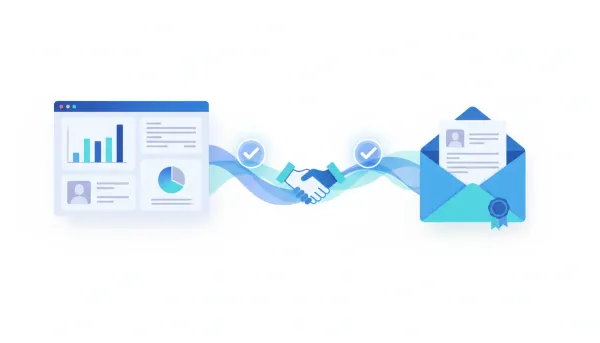
One of the fastest ways to level up your HighLevel setup is to stop thinking of your CRM as an isolated system. Instead, treat it like a central “hub” that can receive data from anywhere: other apps, other CRMs, custom websites, and internal tools.
The Complete Operating System for Growth
Join over 60,000+ agencies and businesses using HighLevel to capture more leads and close more deals. Start your trial today and get instant access to the Nexus Hub resources.
Claim Your Free Trial & BonusesThat is exactly what inbound webhooks are for. With inbound webhooks, you can keep your HighLevel CRM as the single source of truth by automatically bringing data from external platforms into GoHighLevel.
And the best part? You can do it inside your existing HighLevel workflows and automations, so the integration feels native to your agency systems rather than bolted on somewhere else.
What inbound webhooks do in HighLevel
An inbound webhook is essentially a URL that HighLevel provides. When an external system sends an HTTP request to that URL, HighLevel can trigger an automation and use the data in the request to create or update CRM records.
So instead of manually copying information from one tool to another, you:
- Build an inbound endpoint in HighLevel
- Copy the webhook URL
- Send data to that URL from your external app
- Map the incoming fields to HighLevel objects like contacts
- Let HighLevel workflows handle the rest automatically
This is particularly useful for agency setup and scaling, because you can standardize how your operations receive leads, support events, bookings, and form submissions across multiple client environments.
Why this matters for CRM, marketing automation, and SaaS operations
Most teams run into the same problem: data is scattered across tools. You might have:
- A support portal generating ticket data
- A custom form or landing page sending submissions somewhere else
- A separate CRM or tool storing contacts
- Manual processes to sync everything into HighLevel
Inbound webhooks remove that manual step. When done right, HighLevel becomes your centralized place to:
- Capture customer information
- Enrich records based on event data
- Route follow-ups using workflow logic
- Maintain clean, consistent data across your agency systems
In other words, you are not just “integrating apps.” You are building a reliable flow of record creation and automation within your CRM.
How to set up an inbound webhook trigger in HighLevel
Here is the practical setup path. The UI steps are straightforward, but the concept matters more than the clicks: you are creating a workflow trigger that will fire when external data arrives.
- Create a workflowIn HighLevel, choose Create workflow and start from scratch within the correct sub-account (important for agency setups where you manage multiple clients).
- Add the inbound webhook triggerLook for the trigger type by searching for inbound webhook. Select the inbound webhook option as your workflow start trigger.
- Configure the webhook URLHighLevel will provide a webhook URL. This is what your external system will call.You typically configure the trigger using the URL HighLevel generates, which you then plug into whatever backend service or app receives the event.
- Test with a sample requestHighLevel lets you preview incoming payloads. Use Fetch sample requests to see what data is arriving and confirm the payload structure.
- Map payload fields to HighLevel fieldsOnce you can see the payload, map the incoming values to the correct HighLevel properties, such as contact email, name fields, custom fields, tags, and more.
At this point, your workflow can respond to real-time external events. The workflow acts like a translator: your external system sends raw JSON or payload data, and HighLevel uses that data to create CRM objects or update records.
Example: Sending external support ticket data into HighLevel
Let’s use a common scenario: a customer support portal or ticketing app that lives outside HighLevel.
Imagine your website has a button like New ticket. Customers submit an email address, a category (like “Billing” or “Technical”), and an issue description.
Your goal is simple:
- When a ticket is submitted externally
- Automatically create a contact (or update one) in HighLevel
- Optionally store ticket-related info in custom fields for follow-up
Here is how the flow works:
- Create the inbound webhook in HighLevelInside your HighLevel workflow, set up the inbound webhook trigger and copy the webhook URL.
- Paste the webhook URL into the external ticketing backendIn your external support ticketing system, find the place where a new ticket is submitted and triggered. Instead of only saving the ticket inside that system, add a call to the HighLevel webhook URL.That is where your integration becomes real: the external app sends the ticket submission payload to HighLevel.
- Send the ticket data and inspect the payload in HighLevelAfter saving the backend configuration, submit a test ticket from the external portal. Then return to HighLevel and use Fetch sample requests to view the most recent payload that arrived.
- Map fields to create contactsNow you can configure the next action, like creating a contact. Select the incoming values from the payload and map them into the appropriate HighLevel fields. For example:
- Map customer email from the ticket payload into the contact’s email field
- Map category and issue into custom fields if you want that history visible in CRM
The key win: the moment a customer submits a support ticket, the relevant customer data is automatically brought into HighLevel. No manual copy, no spreadsheet cleanup, no “where did that lead come from?” confusion.
Mapping payloads: turning external data into real CRM records
Payload mapping is where most integrations either become powerful or become fragile. The idea is simple: your external app sends data in a structured format, and HighLevel needs to know which field goes where.
In practice, mapping usually includes:
The Complete Operating System for Growth
Join over 60,000+ agencies and businesses using HighLevel to capture more leads and close more deals. Start your trial today and get instant access to the Nexus Hub resources.
Claim Your Free Trial & Bonuses- Identifiers: email, phone, or unique external IDs
- Lead or customer attributes: name, company, location
- Event attributes: ticket category, issue summary, form type
- Operational attributes: timestamps, campaign info, source
When you map correctly, you can build richer automations afterward, like:
- Triggering follow-up sequences based on ticket category
- Tagging contacts so support teams can filter faster
- Creating tasks or notifications for internal routing
- Updating contact custom fields so your CRM stays informative
Best practices when using inbound webhooks in HighLevel
Inbound webhooks are powerful, but they work best when you treat them like part of your systems, not a one-off experiment. A few best practices can save you headaches during agency implementation and scaling.
1) Keep your CRM as the single source of truth
If HighLevel is where you want reliable contact and record history, use inbound webhooks to centralize events there. Avoid “competing” records across multiple CRMs unless you have a clear reconciliation strategy.
2) Standardize payload structure across clients
For agencies, this matters a lot. If every client’s external system sends payloads differently, your workflow becomes harder to reuse.
Whenever possible, standardize the fields you send: email, category, issue, and any custom identifiers.
3) Test with sample requests early
HighLevel’s ability to fetch sample requests helps you debug quickly. Use this to verify the payload arrives exactly as expected before building deeper logic.
4) Map to custom fields intentionally
Support category and issue details can be incredibly useful inside your CRM, but only if you map them consistently to custom fields. Avoid dumping everything without a purpose.
5) Build workflows for the next step, not just the insert
Creating a contact is the beginning. The real value comes from using workflow branches and automations after the contact exists.
For example: if the incoming ticket category is “Billing,” you can route the contact into the billing support workflow, add a tag, and trigger a tailored follow-up.
Common use cases for inbound webhooks
While the support ticket example is a great starting point, inbound webhooks can connect HighLevel to nearly any external system that can send HTTP requests.
- Lead capture from custom forms or landing pages
- Event-based updates from SaaS tools (trials started, upgrades, cancellations)
- Appointment or booking events from third-party schedulers
- Order and e-commerce signals (purchase completed, subscription renewal)
- Data sync from other CRMs during migration or ongoing operations
- Website-driven automation for custom apps you build outside HighLevel
This is why inbound webhooks are widely considered one of the most powerful parts of HighLevel automations: they let you integrate with the real world around your CRM.
Getting started today
If you want to build reliable HighLevel workflows and automations that pull data in from other systems, start by setting up your first inbound webhook trigger and mapping a simple payload to a contact.
From there, you can scale your agency systems: templates, repeatable workflows, and consistent data handling across multiple client setups.
If you’re ready to build, consider starting a HighLevel free trial and testing an integration with your own external tool.
You can also tap into the Nexus Hub community for templates, resources, and implementation support so you do not have to build everything from scratch.
FAQ
What is an inbound webhook in HighLevel?
An inbound webhook in HighLevel is a webhook URL that external systems can send data to. When the request arrives, it triggers a HighLevel workflow so the incoming payload can be used to create or update CRM records like contacts.
Can I use inbound webhooks to keep HighLevel as my single source of truth?
Yes. By sending event and customer data from external tools into HighLevel, you centralize record creation and updates in your CRM. This reduces duplicate systems and manual syncing.
How do I test whether my webhook is receiving the right data?
Use the workflow’s webhook testing features, such as Fetch sample requests, to view the payload HighLevel receives. Then map those payload fields to the correct HighLevel properties.
Do inbound webhooks work with custom apps outside of HighLevel?
Absolutely. Inbound webhooks are commonly used to integrate HighLevel with external apps, other CRMs, and websites you build yourself, as long as those systems can send requests to the provided webhook URL.
What should I map in the webhook payload to create contacts?
At minimum, map a reliable identifier such as customer email (and optionally phone). If you want ticket or event context visible in CRM, map additional values like category, issue summary, or external IDs into HighLevel custom fields.
Wrap-up
If your HighLevel CRM is full of valuable information but you still rely on manual updates from external systems, you are leaving efficiency on the table.
Inbound webhooks let you automate the flow: external events send data to HighLevel, HighLevel workflows trigger instantly, and your contacts (and custom fields) get created or updated automatically.
That is the kind of integration that makes your agency systems cleaner, your automations more scalable, and your CRM far more trustworthy.
The Complete Operating System for Growth
Join over 60,000+ agencies and businesses using HighLevel to capture more leads and close more deals. Start your trial today and get instant access to the Nexus Hub resources.
Claim Your Free Trial & Bonuses