Collect Payments with Internet Card Readers and a Payment Gateway through Your Mobile Business App

We recently watched a clear, hands-on tutorial created by a helpful tutorial channel that walks through connecting internet card readers to a business mobile app and using them to take payments on the shop floor. In this article we expand on that guidance, explain every step in plain language, and give practical tips so you can get set up quickly and reliably—without getting bogged down in technical jargon.
Our goal is to help you accept in-person payments using internet-connected card readers (the standalone devices that connect to Wi‑Fi), integrated with your business software and payment gateway. We’ll cover prerequisites, step-by-step pairing on phones and tablets, how to collect payments and tips, handling refunds, what to do when the internet drops, best practices for managing multiple devices, security highlights, troubleshooting, and a helpful FAQ.
Table of Contents
- Why use internet card readers with your mobile business app?
- What equipment and setup are required
- Preparations on the desktop (web) app
- Pairing a reader using a phone (step-by-step)
- Pairing a reader using a tablet (iPad or Android tablet)
- Managing multiple readers: naming, placement, and best practices
- How to process a payment with a reader
- Handling tips and gratuities
- Refunds and chargebacks
- What happens when the internet connection drops?
- Security and compliance: what to know
- Reporting and reconciliation
- Common issues and practical troubleshooting
- Best-practice checklist before opening your shift
- Real-world scenarios: how this helps growing teams
- Transparent pricing and no hidden fees
- Testimonials from businesses using internet readers
- Frequently Asked Questions (FAQ)
- Conclusion: make payments simple and reliable
Why use internet card readers with your mobile business app?
We recommend internet card readers because they simplify in-person payments and improve the checkout experience for both staff and customers. When the reader connects directly to a payment gateway through the internet, every tap, swipe, or insert is processed securely and quickly—without the need for a phone to act as a Bluetooth bridge.
- Faster checkout: Tap-and-go payments reduce queue time and keep customers moving.
- Multiple devices: You can register unlimited readers across counters, kiosks, or mobile staff devices.
- Unified reporting: Transactions flow into your business software so all sales are recorded in one place for reconciliation and reporting.
- Secure processing: The payment flow goes through a PCI‑certified infrastructure, ensuring end-to-end encryption of sensitive card data.
- No Bluetooth needed: These devices only need a local Wi‑Fi connection to communicate with the payment gateway and your app.
What equipment and setup are required
Before we begin pairing readers, make sure you have the following:
- Internet card readers: Standalone devices that connect to local Wi‑Fi and accept tap, dip (chip), and swipe (if supported).
- Payment gateway account: Your payment gateway must be connected/configured from the desktop version of your business software before the mobile pairing. This is usually done in the Payments > Integrations area of the web app.
- Mobile app: The mobile or tablet version of your business software installed on the phone or tablet where you'll process payments. Make sure it's the latest version.
- Wi‑Fi network: The readers and the mobile device must be on the same local Wi‑Fi network to pair and operate.
- Administrative access: Permissions within your business software to manage payment hardware and pair devices.
Preparations on the desktop (web) app
Before trying to pair readers in the mobile app, confirm your payment gateway is connected in the web app. This is a quick check that saves time during mobile pairing.
- Log in to your web application for the business software.
- Open the Payments area and look for Integrations or Payment Settings.
- Confirm the payment gateway is connected as the default payment processor for your location. If it shows "Manage" or "Connected," you’re ready. If it shows "Connect," follow the on-screen steps to connect your account.
We find this step important because the reader relies on the gateway integration to process transactions and feed reporting back into the platform.
Pairing a reader using a phone (step-by-step)
Pairing on a phone is straightforward when the prerequisites are met. Follow these steps exactly:
- Open the mobile app and make sure you are logged into the correct location (if you run multiple locations).
- Tap Settings at the top of the app.
- Scroll down and select the Payment Hardware or Stripe Payment Hardware section—this label may vary but is the place where hardware is managed.
- Turn on your internet reader and make sure it’s connected to the same Wi‑Fi network as your phone. The reader’s display will typically indicate it is online and will show a pairing code.
- Tap Pair New Device in the app, then choose Internet Readers when prompted.
- Give the terminal a name (use a descriptive name like "Front Desk" or the staff member’s name).
- Enter the pairing code shown on the reader’s screen and tap Pair.
- If pairing is successful, the device will show a green check and the status will read "paired successfully."
That’s it. The reader is now ready to process customer payments from your phone via the app.
Troubleshooting pairing on a phone
- If the pairing code doesn’t show, check the reader’s Wi‑Fi settings and signal strength.
- If the pairing fails, restart both the reader and your phone and try again.
- Verify the mobile app is up to date. An outdated app can interfere with pairing flows.
- Confirm the reader and the phone are using the same local network—guest networks or networks that block device-to-device traffic can prevent pairing.
Pairing a reader using a tablet (iPad or Android tablet)
Pairing via tablet closely mirrors the phone flow. The layout may look slightly different due to screen size, but the steps are the same:
- Open the app and ensure you’re in the correct location.
- Go to Settings and look for Hardware Devices or Payment Devices.
- Tap Pair a New Hardware Device and choose Internet Readers.
- Name the terminal (for example, "Side Desk" or "Jane – Mobile").
- Enter the terminal pairing code displayed on the reader and tap Pair.
Once paired, the device will appear in your device list. You can pair as many readers as you need—many businesses deploy multiple devices simultaneously to reduce lines and speed up service.
Managing multiple readers: naming, placement, and best practices
We highly recommend a naming convention that makes it obvious where a device is located and who is responsible for it. This helps with reconciliation at the end of the day and reduces confusion when staff switches stations.
- Use location-based names: "Front Desk," "Side Counter," "Bar," "Stylist – Chair 3."
- Include a staff identifier when appropriate: "Tom – Mobile" or "Anna – Station 2."
- Keep a simple inventory sheet: Note device serial numbers against names so you can quickly identify each terminal if maintenance is required.
- Register multiple devices: There’s no strict limit in most setups—deploy readers where they remove friction and speed up the customer experience.
How to process a payment with a reader
We want checkout to be effortless. Here’s the normal flow for taking a sale with a paired reader:
- From the app, create or select the customer’s sale or invoice for the amount owed (for example, $100).
- Choose Collect Payment and select which terminal you want to use (e.g., "Front Desk").
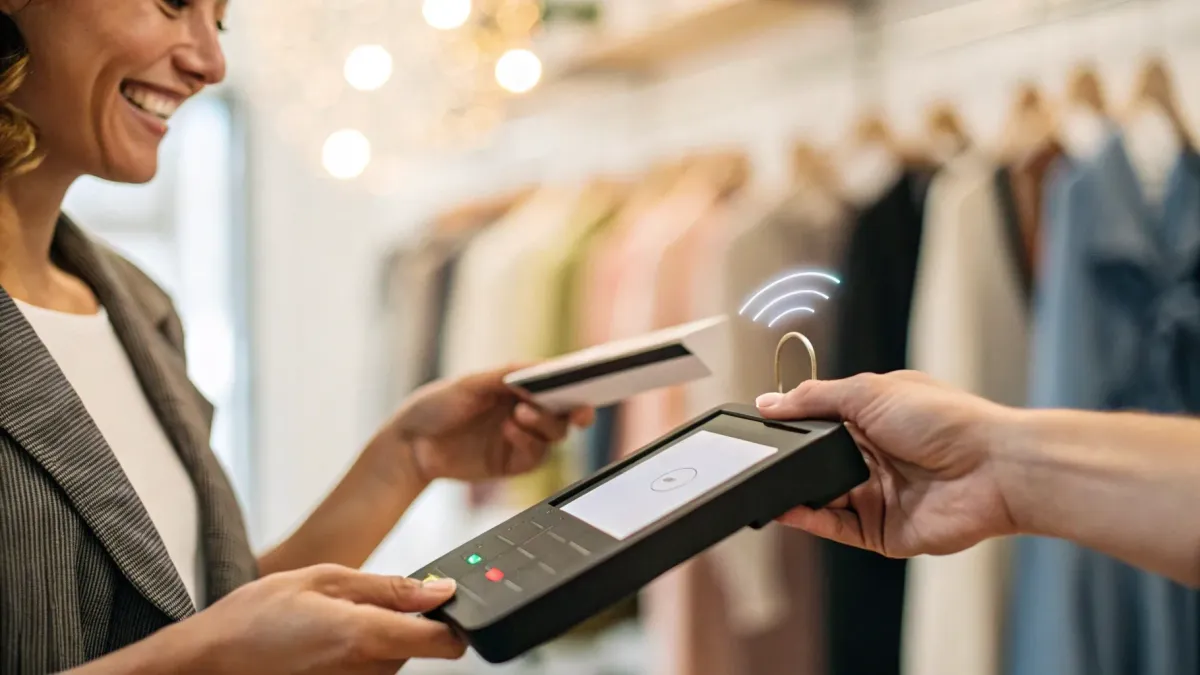
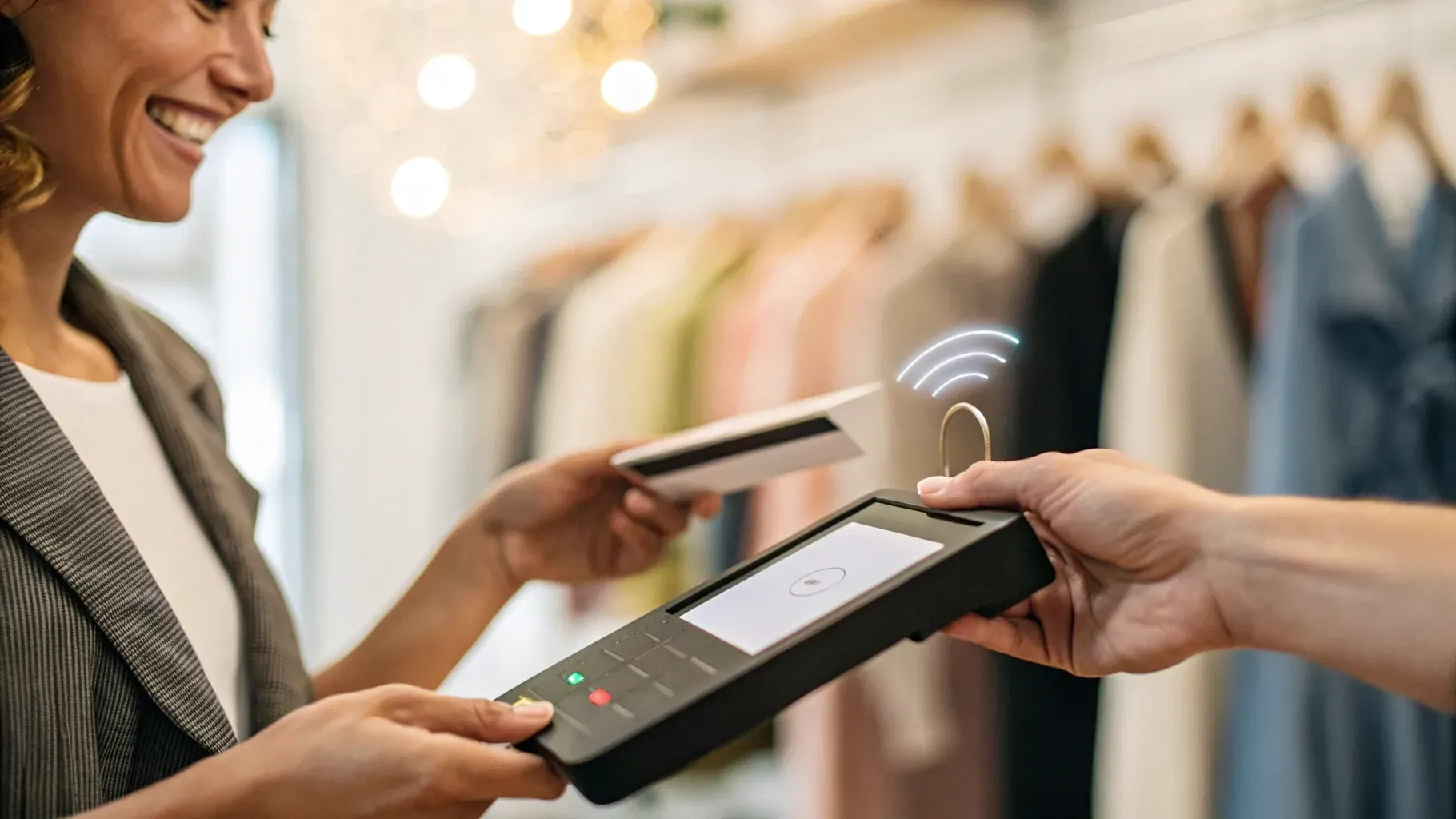
- Present the reader to the customer so they can tap, insert, or swipe their card.
- The app will display a processing indicator (often a spinning circle) while the payment is authorized.
- Once approved, the payment status updates in the app and the transaction is recorded in your reporting.
That simple flow is what makes internet readers so useful—customers pay quickly, staff spend less time on transactions, and your back-end reporting stays up to date automatically.
Tips for a smooth payment experience
- Ask customers up front if they prefer tap or chip; many prefer tap for speed.
- Ensure the screen on the reader is facing the customer and is clean and readable.
- Turn on tip prompts within the POS settings so customers can add a tip during the payment flow.
- Train staff to watch the app confirmation rather than relying only on the reader screen.
Handling tips and gratuities
If you want customers to be able to leave a tip during payment, enable the tip prompt in the POS settings. With this enabled, the tip screen will appear as part of the payment flow on the reader. This encourages more tips and makes it seamless for customers to add gratuity.
- Enable Prompt for Tip under POS settings in your app.
- Set default tip percentages or allow a custom tip entry.
- Ensure staff understand how tips are recorded and how they appear in the reporting for payroll and reconciliation.
Refunds and chargebacks
Refunds are handled through the web app in a similar way to online gateway refunds. The flow is familiar if you already issue refunds for online purchases:
- Find the transaction in the app or web dashboard.
- Select Refund and enter the amount to refund (partial or full).
- Confirm the refund. The gateway processes the reversal and your reporting updates accordingly.
Note: Chargebacks are managed by the payment gateway and usually require documentation and a formal dispute process. Keep clear sales receipts and notes when disputes arise.
What happens when the internet connection drops?
Internet readers require a working internet connection to process payments. If your local Wi‑Fi or the reader’s connection goes down, you will not be able to complete card transactions on that reader. Here’s how we handle those situations:
- Switch to alternate payment methods: Accept cash or charge a card on file if the customer has previously stored one with consent.
- Use a different network: If safe and permitted by your business policy, connect the reader to a guest network or mobile hotspot to finish transactions.
- Communicate with customers: Let customers know the issue and offer alternatives—most customers appreciate transparency.
- Plan redundancies: Keep a backup device or a manual card imprint solution for extreme cases if your business relies heavily on card payments.
In short, when the internet is down, revert to cash or cards on file and resume normal card processing once connectivity is restored.
Security and compliance: what to know
Security matters. Internet readers are designed so sensitive card data never touches your mobile device or local systems. Payments flow through a PCI‑certified payment infrastructure, which provides:
- End-to-end encryption: Card data is encrypted from the moment it’s read until it reaches the payment processor.
- Reduced PCI scope: Because the data is processed by the reader and the gateway, your business has fewer obligations around handling raw card data.
- Secure reporting: Transaction information in your business software includes only the data needed for reconciliation, such as masked card numbers and authorization IDs.
We recommend following standard security practices: keep device firmware updated, limit physical access to terminals, and use secure Wi‑Fi networks with strong passwords.
Reporting and reconciliation
One of the biggest operational benefits is unified reporting. When readers are paired and the gateway is connected to your business platform:
- Every tap, insert, or swipe posts a transaction back into your sales and payment reports.
- End-of-day reconciliation becomes simpler because all transactions appear in one place, with terminal identifiers if needed.
- Use device names in reports to see which locations or staff handled each sale—useful for payroll, commissions, or performance reviews.
For bookkeeping, ensure your settlement reports from the payment gateway match the deposits into your bank account. The platform’s reporting is typically designed to make this straightforward.
Common issues and practical troubleshooting
We’ve compiled common issues you may encounter and practical steps to resolve them quickly:
- Pairing fails: Check both devices are on the same Wi‑Fi and restart both the reader and the mobile device. Confirm the pairing code is entered exactly as shown.
- Reader offline: Confirm the reader still has a stable Wi‑Fi connection and is not blocked by a guest network policy.
- Payment declines: Ask the customer to try another card or check with their bank. Also check that the amount and currency are correct in the app.
- App shows no gateway connected: Return to the web app and verify the payment gateway is still connected and authorized for the location.
- Refunds not appearing: Confirm the refund was completed in the web app and check the gateway’s transaction history for processing status.
Best-practice checklist before opening your shift
- Verify each reader’s battery is charged and each reader is showing as “paired” in the app.
- Confirm your mobile app is updated to the latest version.
- Check that the payment gateway is active in the web app and that settlements from the gateway are being received into your bank.
- Ensure tip prompts are set if you accept tips and that staff know how tips are handled.
- Test a small transaction at the start of the day to confirm end-to-end flow.
Real-world scenarios: how this helps growing teams
We encounter many situations where internet readers provide immediate benefits:
- Busy retail shop: Multiple readers at checkout points reduce line length and speed throughput during high-traffic hours.
- Salon or services business: Staff at different stations can ring up payments in place without sending clients to a front desk.
- Events and pop-ups: Mobile tablets with paired readers allow teams to take payments anywhere there is Wi‑Fi.
- Restaurants: Tableside payments improve guest experience and reduce errors from transcribing totals.
These readers allow teams to focus more on service and less on wrestling with payment hardware and tangled cables.
Transparent pricing and no hidden fees
We believe in clear pricing and predictable costs. When you use an integrated payment gateway and readers, the primary fees to consider are the per-transaction processor fees set by the gateway and any hardware costs for the readers. There are typically no hidden monthly charges from the business software for pairing hardware—however, always confirm with your account administrator or payment gateway for details.
Keep in mind:
- Payment gateway fees are usually per transaction and disclosed up front in your gateway agreement.
- Hardware is usually a one-time purchase or lease; choose the option that works best for your budget and volume.
- Transparent reporting in the platform helps you track exactly what you paid in fees and what was deposited into your account.
Testimonials from businesses using internet readers
"Adding internet readers across our counters cut average wait time in half. The team spends less time handling cards and more time serving customers." — A retail manager
"We started using readers for chair-side payments. Our stylists can take payments right after the service, which improved tips and reduced mistakes." — Salon owner
These kinds of real customer outcomes reflect the operational benefits we’ve described: smoother service, faster checkouts, and cleaner reporting.
Frequently Asked Questions (FAQ)
Do we need Bluetooth to use these readers?
No. These internet readers do not require Bluetooth. They communicate with your mobile app and the payment gateway over the local Wi‑Fi network. That reduces pairing complexity and avoids Bluetooth interference issues.
Can we pair multiple readers to one account?
Yes. You can pair multiple readers to the same location within your business software. Use clear naming to identify each terminal and help with shift reconciliation.
What happens if a reader gets disconnected during a payment?
If the reader loses internet mid-transaction, the payment will not complete. In that case, offer an alternate payment method (cash or a different card) or retry once connectivity is restored. Plan for contingencies in busy environments.
Are tips supported?
Yes. Enable prompt for tip under your POS settings, and customers will be given a tip option during the payment flow on the reader.
How are refunds handled?
Refunds are processed through the web app following the same flow as online refunds. Locate the transaction and choose the refund option. Refunds appear in both the gateway and your platform reporting.
Do card numbers or sensitive data ever touch our phone or tablet?
No. Card data is handled by the reader and the gateway’s secure, PCI‑certified processing flow. Your app will receive only the necessary transaction details for reconciliation, reducing your PCI scope and exposure.
What if we use multiple locations?
Each location should connect the gateway as the correct default processor for that location. Devices should be paired and named for the specific location to keep transactions and reporting separated and accurate.
Is training required?
Minimal training is needed. Teach staff how to select devices in the app, present the reader to customers, handle tips, and perform refunds. A short onboarding session and a quick reference sheet are usually enough.
Conclusion: make payments simple and reliable
We believe adding internet card readers connected to your payment gateway and business app is an investment in customer experience and operational efficiency. These devices speed up checkouts, reduce friction for staff, and keep your transactions consistently recorded in one place for simpler reporting and reconciliation.
To recap the essentials:
- Confirm the payment gateway is connected in the web app before pairing on mobile.
- Ensure readers and mobile devices are on the same Wi‑Fi network for pairing and operation.
- Pair devices via Settings > Payment Hardware > Pair New Device, enter the pairing code displayed on the reader, and name each terminal clearly.
- Enable tip prompts in POS settings to capture gratuities during payment.
- When the internet drops, revert to cash or cards on file and restore normal payment processing when connectivity returns.
We encourage you to test a small transaction after pairing, train your staff with a short checklist, and deploy additional devices where they will reduce queues or improve service. With the right setup, your team spends less time managing payments and more time delighting customers.
If you’d like help with planning device placement, staff training checklists, or a pre-shift setup checklist that fits your business, we can guide you through the next steps and make sure the rollout is smooth and predictable.