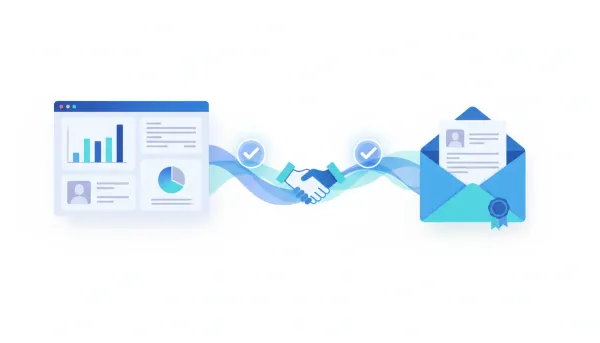
How to Integrate Monday.com with HighLevel Workflows: Triggers, Actions, and Real-World Use Cases
Learn how to connect Monday.com with HighLevel workflows to automate your agency operations. This guide covers setting up triggers and actions, mapping fields, and real-world examples like automated client onboarding to help you sync tasks and CRM data reliably.


This guide explains how to connect Monday.com with HighLevel (GoHighLevel) and use triggers and actions inside HighLevel workflows to automate CRM, project management, and agency operations. It covers setup steps, common triggers and actions, practical examples, field mapping tips, pitfalls to avoid, and a launch checklist so you can reliably sync tasks, projects, and client data between platforms.
Why integrate Monday.com with HighLevel?
Combining Monday.com’s project and task management with HighLevel’s CRM and marketing automation creates a single operational spine for agencies and growing businesses. The integration lets you:
- Eliminate manual data entry by creating or updating Monday.com items when leads, deals, or contacts change in HighLevel.
- Trigger marketing and client communications from HighLevel when project statuses change in Monday.com.
- Standardize onboarding with templated boards in Monday.com triggered by HighLevel workflow events.
- Improve handoffs between sales, onboarding, and delivery teams with automated status updates and notifications.
Who should use this integration?
This integration is useful for:
- Digital agencies that manage clients in HighLevel and track deliverables in Monday.com.
- SaaS operations teams that want consistent project workflows tied to CRM events.
- Sales and onboarding teams who need automated task creation and status-driven communications.
Key terms to know
- Trigger: An event in Monday.com that starts a HighLevel workflow (for example, item created or status changed).
- Action: A task the workflow performs in Monday.com (for example, create item, update column value).
- Board: A primary container in Monday.com for related items (projects, clients, campaigns).
- Column: Field inside a Monday.com item (status, date, person, text).
- Mapping: Linking HighLevel fields (lead name, phone) to Monday.com columns.
Step-by-step: Setting up the Monday.com integration in HighLevel
- Prepare Monday.com
- Create or identify a board to receive data from HighLevel (for example, "Client Onboarding").
- Confirm column types and names you plan to sync (status, date, text, people). Avoid duplicated column names across boards when possible.
- Generate an API token in Monday.com (Admin > API or profile > My profile > API - depending on your account settings).
- Authorize Monday.com inside HighLevel
- Open HighLevel, go to the Integrations > Add Integration area, and select Monday.com.
- Enter the Monday.com API token or use the OAuth flow if provided.
- Grant the necessary permissions so HighLevel can read boards and modify items.
- Create or update a HighLevel workflow
- In HighLevel, open Workflows and select a new or existing workflow where you want to add Monday.com triggers/actions.
- To start a workflow from Monday.com events, add a Monday.com trigger block (e.g., item created, status changed).
- To push data from HighLevel into Monday.com, add Monday.com action blocks (e.g., create item, update item value).
- Map fields and test
- Map HighLevel variables (contact name, phone, custom fields) to Monday.com columns. Match column types carefully.
- Run tests with sample records and watch logs for errors or mismatches.
- Adjust column mappings or workflow logic if items are not created or updates fail.
- Roll out and monitor
- Enable the workflow once tests are successful.
- Monitor the first batch of live syncs and check for duplicates or permission errors.
- Set up logging or notifications in HighLevel for failed actions so you can fix issues proactively.
Common Monday.com triggers and HighLevel actions
Understanding available triggers and actions helps you design workflows that meet your business needs. Typical triggers and actions include:
- Triggers
- Item created
- Item updated
- Status column changed
- Date column passed or changed
- Actions
- Create new item on a board
- Update column value for an item
- Add an update/comment to an item
- Move item between groups
Practical automation examples and workflow templates
1. Client onboarding automation
Goal: Every new client in HighLevel creates a templated onboarding project in Monday.com and notifies the delivery team.
- HighLevel trigger: New contact added or deal moved to "Closed Won".
- Action: Create item from onboarding board template in Monday.com with mapped columns: client name, start date, onboarding owner.
- Action: Assign a HighLevel task to onboarding owner and send a Slack or SMS notification.
- Action: Add a comment on the Monday.com item with the lead source and HighLevel link.
2. Lead-to-task synchronization
Goal: Convert HighLevel leads into Monday.com tasks for project managers to triage.
- HighLevel trigger: New lead captured via form or funnel.
- Action: Create a Monday.com item in a "Leads to Review" group. Map contact, phone, email, and campaign name.
- Action: Set a due date column based on lead priority. Add a tag column indicating lead channel.
- Follow-up: When item status changes to "Assigned", update lead fields in HighLevel and start nurture sequences.
3. Project completion triggers client follow-ups
Goal: When Monday.com project status moves to "Complete", trigger a sequence in HighLevel to send deliverables and collect feedback.
- Monday.com trigger: Project status column moves to "Complete".
- HighLevel actions: Send a templated email with deliverables, trigger an SMS asking for a review, and schedule a feedback form via survey.
- Optional: If survey rating is low, create a support ticket in HighLevel and assign to account manager.
Field mapping best practices
- Match column types: Map text fields to text columns, dates to date columns, and people to user-type columns. Type mismatches are the most common cause of failed actions.
- Use consistent naming: Keep column names consistent across boards for easier reuse of workflows and fewer mapping errors.
- Store HighLevel IDs: Add a hidden column in Monday.com to store the corresponding HighLevel contact or deal ID. This enables reliable updates and avoids duplicate items.
- Normalize data: Convert statuses and tags to controlled lists so mapping can be deterministic (for example, map HighLevel "stage: Onboarding" to Monday.com "Status: Onboarding").
Troubleshooting and common mistakes
Automations can fail for predictable reasons. Check these first:
- Permissions: Ensure the Monday.com API token belongs to a user with access to the target board and columns.
- Column type errors: If a column expects a person or dropdown but receives plain text, the action will fail. Fix mappings or convert data beforehand.
- Rate limits and throttling: High volume workflows may hit Monday.com or HighLevel API rate limits. Implement batching or delays where necessary.
- Duplicate items: Without storing external IDs, repeated triggers can create duplicates. Use a unique identifier and check for existing items before creating new ones.
- Time zone and date mismatches: Date columns may shift if systems use different time zones. Standardize time zones in both platforms.
- Uncaught errors: Use logging steps or notification actions for failed workflow runs so you can identify and resolve issues quickly.
Security and access considerations
- Limit token access: Use a dedicated Monday.com account with only the boards needed for automation rather than a global admin account.
- Rotate API tokens: Regularly rotate tokens and update the integration in HighLevel to reduce risk if credentials are exposed.
- Audit logs: Enable and review audit logs in Monday.com and HighLevel to track changes made by automations.
- Privacy controls: Avoid syncing sensitive personal data unless necessary and ensure compliance with relevant privacy rules like GDPR.
Advanced patterns and scaling tips
- Template boards: Use a template board in Monday.com for repeatable projects and have HighLevel create items from that template.
- Conditional logic: Use HighLevel workflow conditions to branch logic based on lead source, deal value, or custom fields before writing to Monday.com.
- Two-way sync strategy: If you need two-way updates, keep a canonical source of truth for each field and only write changes from one system to the other for those fields.
- Batch updates: For large imports or bulk edits, prefer scheduled batches instead of triggering one-by-one to avoid rate limits and improve performance.
- Error queue: Add a step that writes failed actions to a "Retry" board or table so manual review and reprocessing are straightforward.
Launch checklist before going live
- Confirm API permissions and test token validity.
- Validate field mappings on a staging board with test data.
- Set up logging or notifications for failed workflow executions.
- Add unique ID columns to prevent duplicates.
- Document workflow behavior and ownership so teams know who to contact if something breaks.
- Run a pilot with a subset of clients or leads for at least one week.
Implementation examples for agencies using HighLevel
Agencies can standardize and scale client delivery by using the integration as part of the agency setup process:
- Onboarding packages: Create a Monday.com onboarding project when a client is added in HighLevel, assign tasks automatically, and trigger scheduled HighLevel emails for each milestone.
- Retainer management: Sync invoicing or retainer renewal reminders from Monday.com back to HighLevel to trigger follow-ups and payment reminders.
- Performance reporting: When campaign tasks or deliverables are completed in Monday.com, update campaign statuses in HighLevel and kick off client reporting sequences.
Metrics to track success
After enabling the integration, measure these KPIs to determine impact:
Start Your HighLevel Trial + Get Instant Nexus Hub Access
Build, scale, and optimize your business with HighLevel. Start a free trial using this link to get automatic access to the Nexus Hub community, templates, and implementation resources.
Start Free Trial- Time saved per onboarding by eliminated manual entries.
- Number of duplicate items created (aim for zero).
- Average time from lead capture to task assignment.
- Percentage of failed workflow actions and time to resolution.
- Client satisfaction or NPS changes after faster handoffs.
When to involve development resources
Most automations can be built with HighLevel workflow blocks and Monday.com actions. Bring developers in when you need:
- Custom transformations of data beyond what workflow variables provide.
- Webhook middleware for complex two-way syncing logic.
- Integration with additional internal tools or systems that require API orchestration.
Summary and next steps
Integrating Monday.com with HighLevel workflows creates a powerful link between CRM events and project execution. Start with a small, well-documented automation—such as creating an onboarding item when a deal closes—then iterate and expand. Focus on correct field mapping, unique identifiers to prevent duplicates, and monitoring for failed actions. With thoughtful setup, the integration reduces manual work, tightens handoffs, and gives agencies and teams a reliable, repeatable operations layer.
Frequently asked questions
How do I authenticate Monday.com in HighLevel?
Obtain a Monday.com API token from your Monday.com account settings and enter it in HighLevel’s integration setup. Ensure the token belongs to a user with access to the target boards and columns. Some accounts may support OAuth—follow the provided flow if available.
Can I trigger a HighLevel workflow from a change in Monday.com?
Yes. Use Monday.com triggers in HighLevel workflows, such as item created or status changed, to start workflow logic that can send messages, update CRM fields, or add tasks in HighLevel.
What causes Monday.com actions to fail in a workflow?
Common causes include incorrect column type mappings, insufficient permissions for the API token, rate limits, and mismatched data formats (for example, trying to write plain text into a person column). Logs usually show the error; check them first.
Is two-way sync recommended?
Two-way sync is possible but requires careful planning. Define a single system of truth for each field and implement safeguards to avoid update loops and conflicts. When scaling, consider middleware or a unique ID column to reconcile records reliably.
Should I use a dedicated Monday.com account for integrations?
Yes. Using a dedicated integration account or a service account with access only to required boards limits risk and makes auditing easier. Avoid using a global admin account where possible.
Resources and next steps
If you use HighLevel for CRM and automation, consider creating a pilot workflow that connects a single HighLevel pipeline stage to a Monday.com onboarding board. Track the results against the launch checklist above and iterate. For templates, operational help, and community support, explore the Nexus Hub for ready-made automations, or start a HighLevel free trial to test integrations in a safe environment.
Start Your HighLevel Trial + Get Instant Nexus Hub Access
Build, scale, and optimize your business with HighLevel. Start a free trial using this link to get automatic access to the Nexus Hub community, templates, and implementation resources.
Start Free Trial