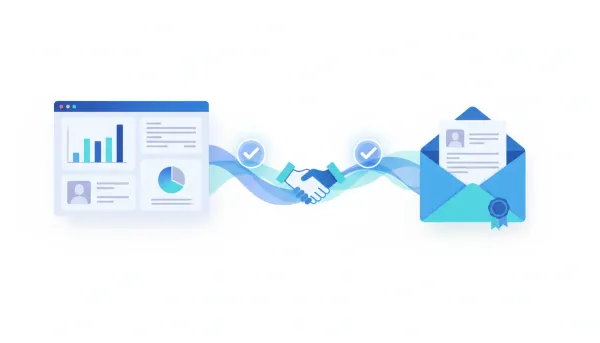
Phone Number Sync for Scheduling Appointments

Photo by appshunter.io on Unsplash
What we'll cover
- What changed in our appointment sync and why it matters
- How the phone mapping works and where to configure it
- Real-world examples of how this avoids missed follow-ups
- Troubleshooting, fallbacks, and best practices for collecting phone numbers
- A practical FAQ to answer the questions we all ask first
Why this small change matters a lot
We're running a growing operation and rely on scheduled appointments to keep the pipeline moving. That means every contact we get from our scheduling tool is valuable. In the past, appointment data flowed into our business software, but phone numbers were often missing. That left us guessing, emailing back and forth, or manually copying numbers — all time wasted and all opportunities to follow up slipping through the cracks.
Syncing phone numbers directly into our contact records changes that. It makes confirmations, reminders, SMS follow-ups, and quick callbacks immediate and reliable. For a business that depends on timely outreach, this is more than a convenience. It reduces friction in our sales and support processes and helps us stay responsive as we scale.
What changed in the integration
Previously, our appointment sync brought in standard fields like name, email, and appointment time automatically. Phone numbers were often treated as a custom field in the scheduling tool and did not map to our platform's standard phone field by default. That meant we had to do manual work to get the number into the right place.
Now there is a simple mapping step that lets us tell the platform which field in the scheduler contains the phone number. Once we map that field, phone numbers flow into our contact records as a proper phone field. The new behavior also includes:
- Automatic sync for mapped phone fields so we don't have to import manually.
- A mapping interface that makes it clear which scheduler field corresponds to the contact phone field.
- Graceful handling when the selected scheduler calendar doesn't include a phone field — the sync skips it without breaking anything.
How the phone mapping works — plain steps we can follow
Setting this up is straightforward. We approached it like a small checklist so everyone on the team can do it without getting stuck.
- Open the integration settings in our business software where we manage connected scheduling calendars.
- Select the calendar or schedule source we want to sync. This could be a specific team calendar or a service-based calendar.
- Open the mapping modal for contact fields. The platform will show the fields detected on the scheduling side.
- Find the scheduler field that contains phone numbers and map it to the platform’s standard phone field. If the scheduler used a custom label like "Best number," pick that one.
- Save the mapping and allow the next automatic sync to pull phone numbers into contact records.
If there's no phone field on a particular scheduler or calendar, the sync simply skips that item. That keeps everything stable and prevents errors during the sync process.
Real scenarios where this saves us time and revenue
Here are practical ways this mapping reduces friction in our day-to-day work.
- Fewer missed calls — When a new lead books a time, we now have their phone number immediately. That lets us call or text within minutes while the lead is still engaged.
- Reliable SMS confirmations — We can send automated SMS reminders for appointments because the phone number is populated in the right field. That reduces no-shows and keeps schedules full.
- Faster onboarding — New customers who book demo calls get added to our system with full contact info. Onboarding flows that include welcome texts or introductory calls run smoothly.
- Less manual work — No more copy-pasting phone numbers from appointment notes into contact records. That saves time and reduces data-entry errors.
- Better personalization — We can address people by name and reach out on the channel they provided, which improves conversions and customer experience.
Troubleshooting and fallbacks
Integrations can be messy, but this mapping approach anticipates the common issues we've hit and keeps things predictable.
- No phone field detected — If the scheduling source doesn't expose a phone field, the system will skip it. Check the scheduler settings and ensure a phone field is being collected during booking.
- Wrong field mapped — If we accidentally map the wrong field, open the mapping modal, change the selection, and save again. The next sync will correct the data going forward.
- Different calendars, different fields — Some calendars might use different custom field names. Map phone fields per calendar to ensure consistent results.
- Formatting issues — Phone numbers may come in different formats. Normalize formats where possible and train the team to enter numbers consistently in the scheduler (country code, no extra characters) to improve call and SMS delivery.
- Privacy and consent — We must ensure the scheduling form collects consent for SMS or calls where required. If our workflows include automated messaging, be certain consent is recorded in the booking form.
Best practices to get the most from phone number sync
We treated this as a chance to tidy our booking forms and internal habits. Here are the practices that made the biggest difference.
- Make the phone field explicit and required when appropriate — If phone contact is essential to your process, make the field required on the booking form. This avoids gaps and follow-up work.
- Name fields clearly — Use obvious labels like "Phone" or "Mobile number" in the scheduler to avoid mapping mistakes. Clear names are easier to map and maintain as the team changes.
- Use one mapping per calendar — If you have multiple calendars with different fields, set mapping per calendar rather than trying to force one mapping for all. That keeps data consistent.
- Train the team — Let anyone who manages appointments or contacts know how phone mapping works and where to find the mapping settings. Small changes are only useful if the team uses them correctly.
- Monitor sync logs — Periodically check the platform’s sync or activity log so you quickly spot any missed mappings or unexpected behavior.
How this reduces tool sprawl and friction
One of the biggest headaches as we grow was juggling multiple tools for booking, CRM, messaging, and follow-up. Every handoff adds the risk of data loss or delay. Bringing phone numbers into our central contact records fixes several problems at once:
- Consolidation — Contacts live in one place with phone numbers attached, so outreach workflows become simpler.
- Speed — We can reply by phone or SMS right away, increasing the chance of conversion.
- Consistency — Automated reminders and follow-ups run reliably because the platform sees the right data in the right fields.
- Lower administrative overhead — Less manual data entry and fewer reconciliation tasks for the team.
Where to look for help and documentation
If we need step-by-step screenshots or a changelog, the platform’s help center has articles dedicated to scheduling integrations and field mapping. The documentation explains how the mapping modal works and shows how the system behaves when a calendar doesn’t expose a phone field.
When we need extra support, the support team for the platform can clarify edge cases, such as special characters in phone numbers, regional formatting, and best ways to collect consent for messages.
Practical checklist before enabling phone sync
- Decide whether phone is required or optional on the booking form.
- Standardize the label used for phone in the scheduler so mapping is obvious.
- Map phone field per calendar, not just globally, if calendars differ.
- Confirm consent capture for messages if you plan to use SMS.
- Train the team to verify phone numbers during appointments or intake calls.
Examples of how we use synced phone numbers
Sales outreach
When a prospect books a discovery call, their phone number is in the contact record immediately. That enables us to send a protective reminder text a day before the call and to place a warm, personalized call if they cancel or reschedule. The result: higher show rates and faster conversions.
Support follow-up
For service appointments, a phone number in the record lets us confirm logistics by text and offer quick troubleshooting over the phone. This reduces back-and-forth emails and speeds up resolution times.
Appointment reminders and check-ins
Automated SMS reminders lower no-shows. When an appointment is booked, the platform can send a confirmation text that includes the contact details and a link for changes. Having the phone field populated makes that automation reliable.
Security, privacy, and compliance considerations
Collecting and syncing phone numbers comes with obligations. We treated compliance seriously so that our workflows remain customer friendly and legally sound.
- Consent — Ensure booking forms include a clear opt-in for messages where required. A checkbox with a brief consent statement is often enough for many SMS workflows.
- Data handling — Phone numbers should be stored in our secure contact database and only used for the agreed purposes (appointment confirmation, reminders, follow-ups).
- Opt-out — Provide an easy way for people to opt out of SMS communications and honor those requests promptly.
- Minimal data — Only collect what we need for the appointment to reduce exposure and simplify compliance.
How to measure whether this change is working
We track a few simple metrics to confirm the mapping is delivering value:
- Show rate — Compare appointment attendance before and after enabling phone sync and SMS reminders.
- Response time — Monitor how quickly the team calls or texts new leads after booking.
- Manual fixes — Track how often team members have to manually add phone numbers to contact records.
- Support tickets — Look for any decrease in scheduling-related support requests.
Final thoughts
Small integration improvements compound into real operational gains. Mapping phone numbers from our scheduling tool into our main contact records takes a few minutes to set up per calendar and pays dividends immediately through better follow-up, fewer no-shows, and less manual work. It aligns the team, reduces friction, and makes the entire appointment workflow cleaner and more predictable.
If we treat the mapping step as part of the standard onboarding for any new calendar, we keep the benefit consistent as the business grows.
FAQ
Will phone numbers sync automatically once mapped?
Yes. Once we map the scheduler’s phone field to the platform’s standard phone field, phone numbers will sync automatically during the regular synchronization process. No manual import is required after the mapping is saved.
What happens if a calendar doesn’t include a phone field?
If the selected calendar does not expose a phone field, the sync will skip that field gracefully. We should check the scheduler settings and add a phone field to the booking form if phone contact is necessary.
Can I map different phone fields for different calendars?
Yes. It is best to map phone fields per calendar if different calendars use different field names. Mapping per calendar keeps records consistent and avoids misrouted data.
How do I handle international phone numbers and formatting?
Aim to standardize how numbers are entered in the booking form, such as asking customers to include the country code. If formatting issues persist, normalize numbers during the intake process or use consistent validation on the booking form.
Do I need consent to send SMS confirmations and reminders?
Yes. Always capture explicit consent on the booking form when you plan to send automated messages. Make the purpose clear so customers understand they are agreeing to receive appointment-related texts or calls.
Where can I find help if mapping doesn’t work as expected?
The platform’s help center contains documentation and a change log that explains mapping behavior and common scenarios. If we still need assistance, platform support can help troubleshoot edge cases and unusual field setups.
Will mapping phone numbers create duplicates in our contact records?
Proper mapping should populate the phone field in the correct contact record. Duplicate creation usually stems from mismatched email addresses or variations in how the scheduler sends name fields. Regularly clean duplicates and ensure booking forms collect consistent identifying information to reduce duplication.
Can I change the mapping later if I rename the field in the scheduler?
Yes. Update the mapping in the integration settings to point to the new field name. The next sync will follow the updated mapping and populate phone numbers accordingly.