Voice AI Direct to Extension Transfer Update

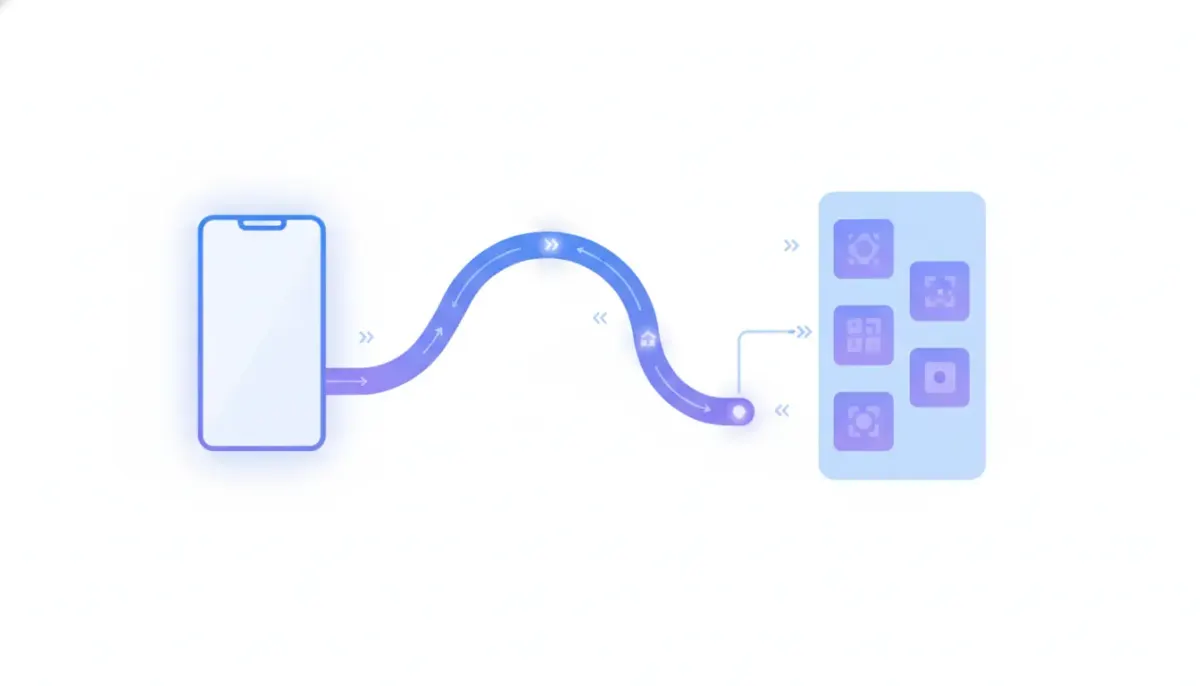
One of the most frustrating parts of a phone experience is getting transferred, landing in a main menu, and then having to press the same options all over again just to reach the right person.
That extra friction may seem small, but it adds up fast. It slows down support, creates a poor customer experience, and makes your business sound less organized than it really is.
That is why this Voice AI update matters. HighLevel now supports direct to extension routing during call transfers, which means a Voice AI agent can transfer a caller and automatically send the right extension or menu key sequence so the call lands exactly where it needs to go.
Instead of dumping someone into another IVR and forcing them to start over, the system can move them straight to the correct department, desk, or person.
What changed in HighLevel Voice AI
The new enhancement is simple, but powerful. Voice AI agents can now do two things at the same time when transferring a call:
- Transfer the caller to another phone number or destination
- Automatically send extension digits or menu key inputs after the transfer connects
In practice, this means your AI phone agent is no longer limited to just handing off a call. It can also help the caller get through the next phone tree without manual effort.
If your business relies on IVR systems, extensions, or multi-level phone routing, this upgrade removes a common bottleneck in the handoff process.
Why this matters for businesses using IVR
Many businesses have some kind of automated phone menu in place. Sales might be option 1. Support might be option 2. Billing might be option 3. Individual team members may also have direct extensions.
Without this kind of smart transfer logic, an AI agent can only do part of the job. It can send the call to the right main number, but the caller still has to listen, wait, and navigate another layer of prompts.
That creates several problems:
- Longer call resolution times because people have to repeat steps
- Higher drop-off risk when callers get confused or impatient
- Lower confidence in your business systems when the handoff feels clunky
- More missed opportunities if a lead gives up before reaching the right destination
Direct to extension routing solves that by making transfers feel intentional and seamless. The caller gets where they need to go faster, and your phone process feels much more polished.
How direct to extension routing works
Here is the core idea. A Voice AI agent handles the initial interaction, determines where the caller should go, and then initiates a transfer. After that, it can automatically send the extension digits or IVR menu keys needed for the next system.
So if a destination number answers with a menu, the system can essentially navigate that menu on behalf of the caller.
This makes a major difference in scenarios like these:
- Sending new leads from a central line to a specific sales rep
- Routing current customers directly to billing or support
- Forwarding calls into partner businesses that use extensions
- Connecting franchise locations to the right local desk
- Passing calls to internal departments without requiring another manual menu step
It is one of those features that sounds technical on paper, but the real impact is very practical. Less friction, fewer dead ends, and faster connections.
The customer experience gets a lot better
When someone calls your business, every second matters. If they are calling with urgency, a confusing transfer can instantly increase frustration. If they are a lead, a clunky phone path can weaken trust before a real conversation even begins.
With direct to extension transfer, the experience feels much more natural.
Instead of this:
- Talk to AI
- Get transferred
- Hear a new phone tree
- Press more buttons
- Hope it reaches the right person
You get this:
- Talk to AI
- Get transferred
- Arrive at the intended desk or department automatically
That may look like a small workflow improvement, but it changes how your brand feels on the phone. Calls become smoother, faster, and more professional.
Why this is especially useful in HighLevel agency setups
If you run an agency, manage client accounts, or build communication systems inside GoHighLevel, this update opens up more reliable call handling options.
Many agencies use HighLevel for CRM, marketing automation, lead management, and SaaS operations. Voice AI is a natural extension of that stack because it helps automate first-contact conversations and route inquiries intelligently.
But for Voice AI to work well in the real world, it has to fit into existing phone infrastructure. A lot of businesses do not have a perfectly simple phone setup. They have legacy IVRs, extensions, front desks, and department menus.
This update bridges that gap.
Now agencies can implement Voice AI in businesses that still rely on multi-step routing systems without creating a broken handoff. That makes HighLevel agency setup easier and gives clients a better experience from day one.
In practical terms, this means you can:
- Build smarter call routing systems for clients
- Reduce transfer friction in existing phone environments
- Create more premium and reliable automations
- Support businesses with complex departments or front office structures
- Make AI voice workflows more viable across more industries
The Complete Operating System for Growth
Join over 60,000+ agencies and businesses using HighLevel to capture more leads and close more deals. Start your trial today and get instant access to the Nexus Hub resources.
Claim Your Free Trial & BonusesUse cases where this feature shines
1. Sales handoffs
A Voice AI agent can qualify a lead, identify the right rep or team, and transfer the call directly into the correct extension path. That reduces the time it takes for a prospect to reach a human and keeps momentum high.
2. Customer support routing
Support calls often need to go to specialized teams. Instead of dropping a caller into a generic support line, the system can send them straight into the right queue or desk path through the correct extension sequence.
3. Billing and account questions
Billing inquiries are a perfect example of where precision matters. The faster someone reaches the right team, the more likely the issue gets resolved quickly and calmly.
4. Multi-location businesses
If a business has several offices or departments connected through a larger phone system, direct to extension routing can help callers skip the maze and reach the correct local destination.
5. Internal routing for administrative teams
Front desks, coordinators, appointment teams, and operations staff often sit behind extension-based phone systems. Voice AI can now hand off directly into those environments much more cleanly.
What this means for automation strategy
Good automation is not just about replacing manual work. It is about removing friction without making the experience feel robotic or disconnected.
That is where this update fits in. It makes Voice AI more operationally useful. Instead of stopping at the transfer point, the automation can carry the interaction one step further and complete the handoff properly.
For teams building HighLevel workflows and automations, that matters because the phone experience is often part of a larger system.
A typical flow may include:
- Inbound lead capture
- Initial qualification by AI
- CRM updates
- Task creation or notes
- Human handoff
- Follow-up automations after the call
If the handoff breaks down, the entire experience feels incomplete. But when the transfer works smoothly, the rest of your CRM and marketing automation system can do its job more effectively.
That is why seemingly small updates like this can have a big impact in real implementation.
Best practices for using direct to extension transfers
If you are setting this up inside HighLevel or planning to use it in client environments, a few best practices will help:
Map the destination phone tree clearly
Before you automate anything, make sure you understand the exact menu path or extension required. One wrong digit can send calls to the wrong place.
Test every routing path
Do not assume a destination IVR behaves consistently. Test during different times of day if needed, especially if prompts change after hours.
Keep routing logic simple when possible
The goal is to reduce complexity for the caller. If your setup becomes too complicated behind the scenes, maintenance gets harder and reliability can drop.
Use Voice AI for intent first
The smartest use of this feature is when the AI first understands what the caller needs, then chooses the right transfer destination. That creates a more personalized and efficient experience.
Document the implementation
For agencies and internal ops teams, documentation matters. Keep track of the destination numbers, extension sequences, and any known menu timing requirements so future updates are easier.
A small update with a strong operational payoff
Some product releases introduce huge new systems. Others refine the moments that people actually feel most. This one falls into the second category.
Call transfers are one of those make-or-break points in a phone journey. If they go poorly, the whole interaction feels messy. If they go smoothly, everything feels more competent.
Direct to extension routing helps HighLevel Voice AI move beyond basic transfer functionality and into more practical real-world communication workflows.
That is especially important for businesses that already use IVRs, departments, and extension-based routing. Instead of forcing callers to navigate another decision tree after the transfer, the system can guide them the rest of the way.
For teams focused on customer experience, agency systems, and scalable automation, that is a meaningful upgrade.
Why this strengthens HighLevel as a business phone and automation platform
HighLevel has become much more than a CRM. For many businesses and agencies, it acts as the operating layer for lead capture, messaging, automation, and service delivery.
Voice AI adds another important layer by helping handle conversations at the point of contact. Features like direct to extension transfer make that layer more compatible with how businesses actually operate.
This is what strong SaaS operations look like in practice:
- AI handles the first interaction efficiently
- Automation supports routing and follow-up
- The CRM keeps records organized
- Humans step in at the right moment without unnecessary friction
That combination is what helps agencies scale and what helps businesses operate more smoothly.
FAQ
What is direct to extension routing in Voice AI?
It is the ability for a Voice AI agent to transfer a call and automatically send the necessary extension digits or IVR menu keys so the caller reaches the correct destination without manually navigating another phone menu.
Why is this update useful for IVR systems?
IVR systems often require callers to press options after a transfer. This update removes that extra step by letting the system handle those inputs automatically, which makes the experience faster and smoother.
Can this help agencies using GoHighLevel for client phone systems?
Yes. Agencies can use this feature to build more reliable call routing experiences for clients, especially in businesses with departments, extensions, or more complex phone setups.
Does this replace human teams?
No. It improves the handoff to human teams by making sure callers reach the right person or department more efficiently after the AI has handled the initial interaction.
What kinds of businesses benefit most from this feature?
Any business using IVRs, department-based call flows, or extensions can benefit. It is especially useful for sales teams, support operations, multi-location businesses, and agencies building HighLevel systems for clients.
How does this fit into HighLevel workflows and automations?
It strengthens the phone portion of your automation stack. Voice AI can qualify or route the caller, transfer them intelligently, and then allow your CRM and follow-up workflows to continue without a clunky interruption in the middle of the experience.
Final thought
If you are already using Voice AI inside HighLevel, this is the kind of upgrade that can immediately improve call routing quality. And if you are building systems for businesses that still depend on IVR menus and extensions, it removes one of the biggest practical limitations in AI-assisted transfers.
Smarter handoffs make for better conversations, better operations, and a better customer journey from the very first call.