How to Choose the Right PHP Version When Creating a WordPress Site on HighLevel
Learn how to choose the right PHP version for your WordPress sites on HighLevel to ensure peak performance and security. This guide covers compatibility testing, staging best practices, and troubleshooting tips to help agencies standardize their deployment workflows effectively.

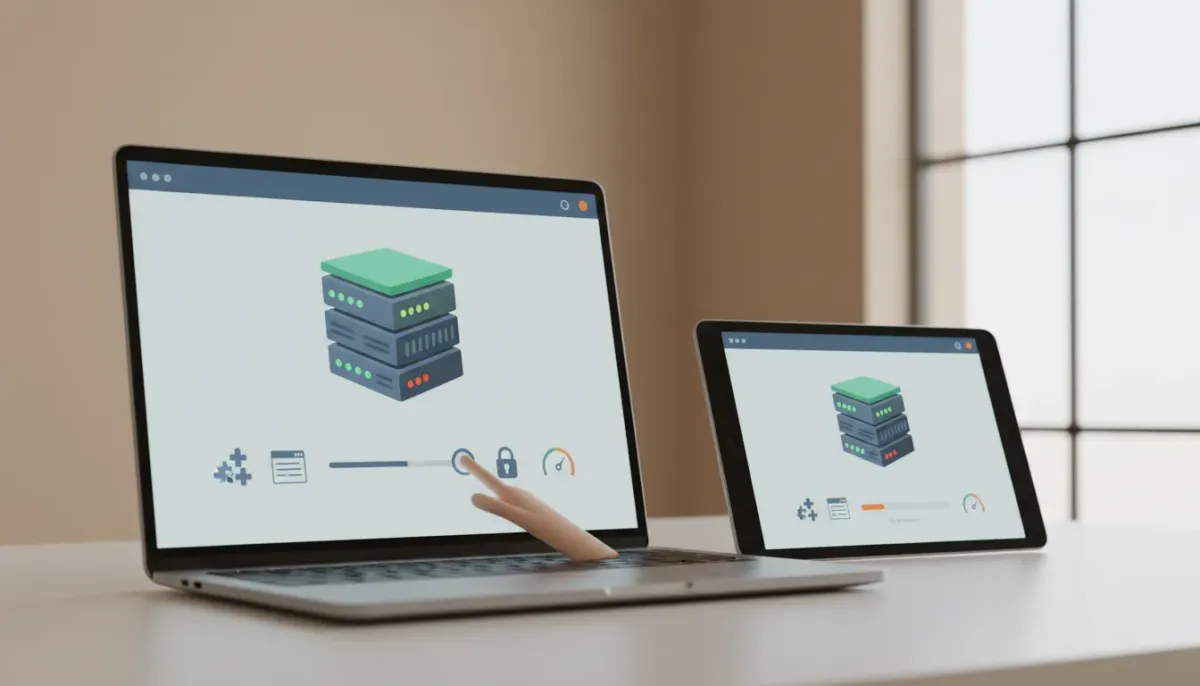
Selecting the correct PHP version for a new WordPress site affects security, performance, and plugin compatibility. When you create, clone, or deploy a template site on HighLevel, you can specify the PHP runtime that will run WordPress. This guide explains why that selection matters, how to choose the right version, and step-by-step best practices for testing and switching PHP safely.
Why PHP Version Matters for WordPress
PHP is the server-side language WordPress runs on. The PHP version determines available language features, performance optimizations, security patches, and compatibility with themes and plugins.
- Security: Older PHP versions no longer receive security fixes and expose sites to vulnerabilities.
- Performance: Newer PHP releases usually provide significant speed improvements and reduced memory usage.
- Compatibility: Plugins and themes may rely on newer language features or break on older runtimes.
- Maintenance: Running a supported PHP version reduces long-term maintenance work and helps with future updates.
Which PHP Versions Are Safe to Use in 2024
Supported versions evolve. As a general rule:
- Prefer PHP 8.1 or 8.2 where possible. They balance broad compatibility with modern improvements.
- PHP 8.3 is newer and can be used for modern sites, but check plugin compatibility before adopting it on production sites.
- Avoid PHP 7.4 and older. These versions have reached end of life and do not receive security updates.
Always check the official PHP release calendar and plugin/theme vendor notes before deciding. If you manage many agency sites, standardize on a version that meets most clients’ compatibility needs while keeping security current.
When to Choose a Specific PHP Version
New Builds
For a brand-new WordPress build without legacy plugins, start with PHP 8.2 or 8.1. These provide the best mix of performance and compatibility for modern themes and plugins.
Migrating an Existing Site
If you are migrating legacy WordPress sites with older plugins or custom code, choose the PHP version that mirrors the source environment. Use a staging environment to test upgrades to newer PHP versions before making the change on the live site.
Cloning or Using Templates
When cloning a site or creating from a template, select the PHP version that the original site expects. Templates designed for modern stacks should include a recommended PHP version in their documentation or metadata.
How to Pick a PHP Version on HighLevel (High-Level Guidance)
HighLevel lets you set the PHP version when creating a site, cloning, or applying a template. Use these guidelines when making the selection:
- Review plugin and theme requirements — check composer.json, plugin readme, or vendor docs for minimum PHP versions.
- Default to a supported modern version — use PHP 8.1 or 8.2 unless a component requires otherwise.
- Create a staging copy — test the chosen PHP version before pushing changes to production.
- Enable debugging in staging — turn on error logging and WP_DEBUG to catch compatibility issues early.
If you manage an agency environment with multiple client sites, consider a standard baseline (for example, PHP 8.1) across new site deployments to reduce fragmentation in operations and simplify automation in HighLevel workflows.
Step-by-Step: Test PHP Compatibility Before Going Live
Follow this checklist to reduce downtime and avoid surprises when changing PHP versions.
- Create a complete backup — export the database and files before any PHP change.
- Clone to staging — create a staging site using HighLevel’s cloning or template features.
- Switch PHP in staging — select the desired PHP version for the staging site.
- Enable debugging and display errors — set WP_DEBUG to true and log errors to a file.
- Exercise common user flows — log in, create posts, upload media, run contact forms, and process payments.
- Check plugin and theme admin pages — some incompatibilities appear only on specialty screens.
- Monitor error logs — check server and PHP logs for warnings or fatal errors.
- Resolve issues — update plugins/themes or contact vendors for compatible versions. Consider downgrading PHP temporarily if a critical dependency is incompatible.
- Repeat for other client sites — use the same process for every site before changing production PHP.
Common Compatibility Issues and How to Fix Them
Fatal Errors After Upgrading PHP
Fatal errors are usually caused by deprecated functions or incompatible syntax. Fixes include updating the plugin or theme, replacing unsupported code, or rolling back to a compatible PHP version until a fix is available.
Missing PHP Extensions
Some WordPress features require specific extensions such as gd, imagick, mbstring, intl, or curl. If a feature fails, check phpinfo or server logs to confirm available extensions, then enable the missing extensions via the hosting control panel or ask support to enable them.
Memory Limits and Timeouts
Upgrading PHP can affect memory usage. If plugins throw out-of-memory errors, increase memory_limit and max_execution_time in php.ini or within HighLevel site settings if available.
OPcache and Caching Problems
After switching PHP versions, clear server and application caches. OPcache sometimes needs to be reset so new PHP bytecode is used. Clear plugin caches and CDN caches as part of the post-change checklist.
Start Your HighLevel Trial + Get Instant Nexus Hub Access
Build, scale, and optimize your business with HighLevel. Start a free trial using this link to get automatic access to the Nexus Hub community, templates, and implementation resources.
Start Free TrialBest Practices for Agencies Using HighLevel
- Standardize your builds — choose a default PHP version for new client sites to streamline maintenance and automation workflows.
- Document requirements — include recommended PHP version and required extensions in every site build template and Nexus Hub template documentation.
- Automate testing — add automated health checks or HighLevel workflows that verify site endpoints after PHP changes.
- Schedule regular audits — check PHP versions across client sites periodically to keep everything secure and up to date.
- Train your team — ensure onboarding documentation covers how to choose and change PHP versions in the HighLevel agency setup.
Switching PHP Version After Site Creation
If you need to change the PHP version after a site is live, follow these steps:
- Take a full backup.
- Create a staging copy and switch PHP there first.
- Run compatibility tests and fix any issues.
- Schedule a maintenance window for the live switch to reduce user impact.
- Change PHP on production, clear caches, and verify key functionality.
- Monitor logs and performance for the next 24 to 72 hours.
Checklist: What to Verify After Selecting a PHP Version
- Login to WordPress admin without errors.
- Run the site through a speed test to confirm performance behavior.
- Confirm form submissions and transactional emails are functioning.
- Verify scheduled tasks and cron jobs are running.
- Ensure backups are still running and restorable.
- Make sure image uploads and media manipulation work (GD/Imagick).
- Confirm payments and third-party integrations operate normally.
Common Mistakes to Avoid
- Changing PHP on production without staging — leads to unexpected downtime if an incompatibility exists.
- Not backing up first — you need a safe rollback option if things go wrong.
- Ignoring PHP extensions — some features silently fail without required extensions.
- Overlooking caching — not clearing caches after switching can hide actual site behavior.
- Using end-of-life PHP — exposes clients to security risk and compliance issues.
Troubleshooting Quick Reference
- White screen or fatal error: enable WP_DEBUG and review PHP error log. Revert PHP version if necessary.
- 500 server error: check error logs, ensure required PHP extensions are enabled, and confirm file permissions.
- Slow performance: compare PHP benchmarks in staging, review opcode caching settings, and increase memory_limit if needed.
- Plugin warnings: update plugins/themes or replace with alternatives that support newer PHP versions.
HighLevel-Specific Recommendations
HighLevel is designed for agencies and marketers managing multiple WordPress sites as part of CRM and marketing automation workflows. When you choose a PHP version in HighLevel:
- Align PHP selection with your agency standards to simplify support and automation across client accounts.
- Include PHP version in your HighLevel templates and Nexus Hub resources so every site you spin up follows the same runtime assumptions.
- Use HighLevel workflows to automate post-deployment checks such as monitoring endpoints, clearing caches, and notifying the team of issues.
- Consider training resources and a checklist for clients to ensure they understand compatibility with custom plugins or integrations that rely on the CRM or marketing automation features you provide.
When to Ask for Support
Contact platform support or plugin vendors if:
- Errors persist after rolling back and updating components.
- Required PHP extensions are missing and you cannot enable them through the control panel.
- Server-level settings need adjustment beyond standard HighLevel controls.
Summary and Takeaway
Choosing the right PHP version during site creation is a small step that prevents security risks, improves performance, and avoids compatibility headaches. For most new WordPress builds on HighLevel, PHP 8.1 or 8.2 is a safe default. Always use staging to test changes, verify required PHP extensions and memory settings, and standardize your agency's deployment templates to reduce future friction.
If you manage multiple client sites, integrate PHP version selection into your HighLevel templates and automations, and keep documentation in your Nexus Hub resources. For agencies evaluating the platform, consider starting a HighLevel free trial to explore site creation options and template controls.
FAQ
What PHP version should I choose for a brand-new WordPress site?
Prefer PHP 8.1 or 8.2 for the best balance of performance and compatibility. Use PHP 8.3 only after verifying plugin and theme compatibility in a staging environment.
Can I change PHP version after creating a site on HighLevel?
Yes. You can change the PHP version after creation, but always test the change in a staging environment, back up the site first, and follow the post-change checklist to avoid downtime.
What if a plugin breaks after upgrading PHP?
First, enable debugging in staging to pinpoint the issue. Update the plugin or theme to a compatible release. If no update exists, consider replacing the plugin or temporarily reverting the PHP version until a fix is available.
Which PHP extensions are commonly required by WordPress plugins?
Common extensions include gd or imagick for image processing, mbstring, intl, curl, json, and zip. Check plugin documentation for precise requirements and enable missing extensions via your hosting control panel or by contacting support.
How does PHP selection integrate with HighLevel templates and agency workflows?
Include the recommended PHP version in site templates and Nexus Hub documentation. Standardizing on a PHP baseline across templates reduces support overhead and simplifies automation in HighLevel workflows.
Where can I get help testing PHP changes across many client sites?
Use staging clones and automated health checks in HighLevel. Join community resources like the Nexus Hub for templates, shared checklists, and implementation support, or start a HighLevel free trial to explore built-in site controls and workflow automations.
Start Your HighLevel Trial + Get Instant Nexus Hub Access
Build, scale, and optimize your business with HighLevel. Start a free trial using this link to get automatic access to the Nexus Hub community, templates, and implementation resources.
Start Free Trial