How to Automate TikTok Messages and Comments

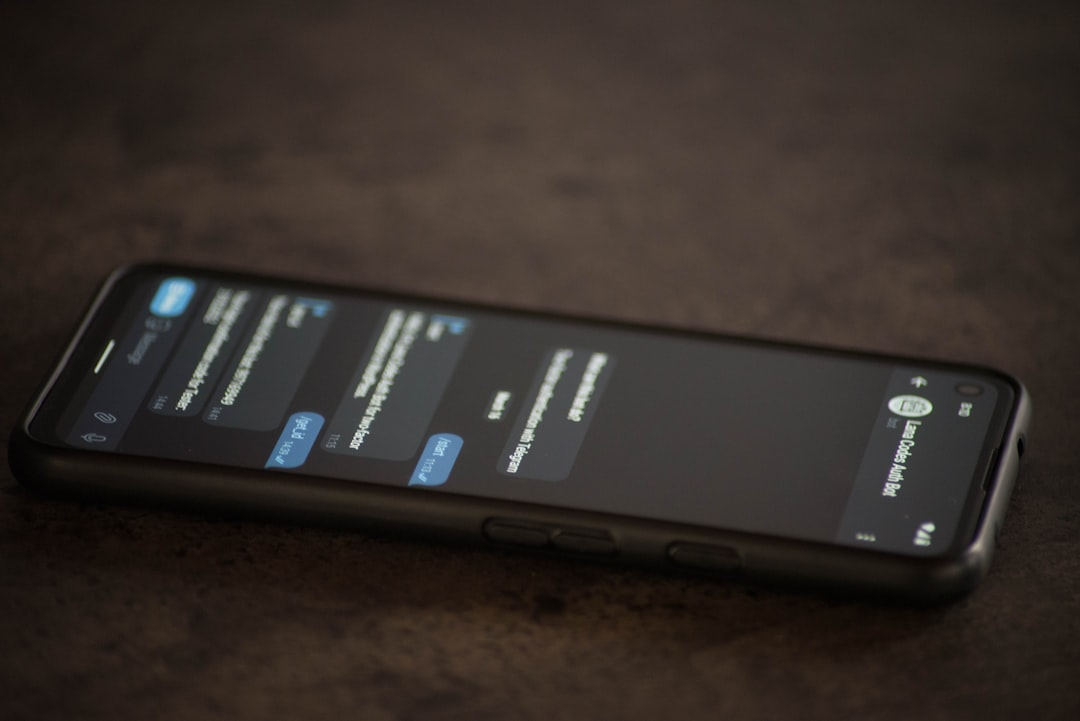
Photo by Lana Codes on Unsplash
If we rely on manual inbox management for TikTok, we lose leads the moment we step away from the screen. Automating direct messages and comment replies turns passive engagement into active conversations without adding more work to our day. The platform’s messaging and workflow tools let us reply to comments, send targeted direct messages, and route every interaction into our CRM so follow-up happens automatically and on time.
Why automate TikTok messaging and comments?
Automation is about converting attention into action. When we automate TikTok, we get:
- Faster response times — replies and DMs go out instantly, increasing conversions.
- Fewer lost leads — every interaction is captured and routed into our system.
- Scalability — the same process can handle dozens of posts and many accounts.
- Consistent messaging — deliver the same offer, lead magnet, or booking link every time without mistakes.
- Better team efficiency — a unified inbox and workflows let teams handle conversations without bouncing between apps.
What we need before we start
Set yourself up for success by confirming these essentials:
- TikTok account access — be signed into the right TikTok account when connecting.
- Messaging permissions — grant the platform full messaging permissions so it can read comments and send DMs.
- Unified inbox enabled — make sure conversations are routed into the platform’s conversations or inbox so the team can manage replies centrally.
- Team roles and access — define who can edit automations and who handles follow-ups.
- Clear offers and assets — have your lead magnet PDFs, coupon codes, booking links, and short messages ready.
Overview of the automation strategy
We typically build two types of automations:
- DM workflow triggered when a user replies to a TikTok message or when we want to push a DM after a comment interaction.
- Comment automation that auto-replies to comments containing keywords and then triggers further actions like sending a DM or adding the person to a campaign.
Step-by-step: Connect TikTok to the platform
1. Open your platform settings and go to integrations. 2. Choose TikTok messaging and click connect. 3. Confirm you are signed into the correct TikTok account. 4. Grant all requested permissions so the platform can read comments and send messages. 5. Save and verify the account shows as connected. 6. If messaging shows as disabled, open account management inside the platform and enable it so conversations appear in the unified inbox.
Step-by-step: Create a DM workflow that triggers on replies
Use this when you want to respond automatically as soon as a user replies on TikTok.
- In the workflows area, create a new workflow from scratch or start with a template.
- Add a trigger and choose the event type "customer replied" or "contact replied". Filter the channel to TikTok so the trigger only fires for TikTok replies.
- Rename the trigger to something meaningful like "TikTok Reply — DM Trigger" so it's easy to find later.
- Add an action: select the interactive messenger or send message step for TikTok. This is where we compose the DM.
- Use personalization tokens like the contact's first name to make the message feel human. Example: "Hey {{first_name}}, thanks for reaching out! Here’s the PDF we promised."
- Configure any follow-up actions: add a tag, push the contact into a campaign, create a task for the team, or route them into a qualification pipeline.
- Save and test by replying from a different account to ensure the DM fires and shows up in the unified inbox.
Step-by-step: Automate comment replies and trigger DMs
This is the core tactic for converting public engagement into private conversations.
- In workflows choose a trigger for "comment on a TikTok post" or "TikTok comment."
- Narrow the trigger by account if you manage multiple TikTok accounts.
- Choose the post type: published posts versus drafts or other types. Optionally select a specific post if the automation should only run against a single video.
- Add keyword filters. Use "contains phrase" for flexibility or "exact match" when you want strict control. For example, require commenters to include "send pdf" or "comment me" to qualify.
- Rename the trigger to something like "PDF Request — Comments" so team members know what it does.
- Add an action to reply to the comment. Compose several versions of the reply and the system will rotate them to keep replies varied. Example responses:You can add up to ten different reply variations.
- "Thanks! Download the PDF here: [link]"
- "We just sent the PDF — check your DM or use this link: [link]"
- Add an action to like the comment automatically. Liking validates the reply and signals authenticity to the commenter and other viewers.
- Add follow-up actions such as sending an internal email notification, creating a task for follow-up, adding the contact to a nurture campaign, or pushing them into a sales pipeline for live follow-up.
- Save and test from a different account to confirm the sequence works as expected.
Personalization and message tips
Even automated replies should feel personal and useful. Use these simple tricks:
- Include the recipient’s first name token to make messages feel human.
- Keep messages short and action-oriented. Example: "Hey {{first_name}}, here’s your coupon: CODE20. Book a time: [booking link]."
- Use multiple reply variations so responses look natural and reduce spam signals.
- Lead with value. If someone asked for a PDF, deliver the PDF link first, then ask a soft follow-up question.
- Add clear next steps: download the file, claim the code, or schedule a call.
Common automations we recommend
These templates convert well and are simple to implement.
- Giveaway entry: Trigger on comments containing "enter" or "giveaway" and reply with "Thanks! You’re entered. DM us your email to claim your prize."
- Lead magnet delivery: Comment "PDF" or "send" triggers a comment reply and a DM with the download link.
- Coupon distribution: Keyword-based comment gets an automatic reply with the coupon code and a follow-up DM that includes terms and booking link.
- Appointment booking: Comment triggers a DM that contains a direct booking link and a short qualification question.
- Live stream follow-ups: After a live, trigger a message to people who commented with a special replay link.
- Qualification funnel: Comment triggers DM with a short survey or qualification form link, then tags and routes qualified leads to sales.
Routing conversations to the team
A big advantage of centralizing TikTok in your software is the unified inbox. We can:
- Route incoming messages to specific team members using tags, pipelines, or assignment rules.
- Use role-based access so support sees only conversations and workflows relevant to them.
- Create tasks or follow-up reminders automatically when certain triggers occur.
- Keep handoffs smooth by storing conversation history on the contact record so anyone who picks it up sees the full context.
Best practices and compliance
Automation must feel human and follow platform rules. Use these guidelines:
- Avoid mass unsolicited DMs. Use DMs to continue conversations that started publicly (comments, replies, or opt-ins).
- Space out automated messages with short delays where appropriate to mimic human timing.
- Don’t over-message the same contact across channels. Maintain a clear follow-up cadence.
- Include simple opt-out language where possible and honor privacy preferences promptly.
- Monitor rate limits. If the platform imposes messaging caps, throttle your automations to stay under limits and avoid temporary restrictions.
- Test automations on a small scale first and monitor for any spam flags or negative engagement before scaling.
Troubleshooting common issues
If something doesn’t work, try these quick fixes:
- Messaging disabled — go to account management in the platform and enable messaging for the connected TikTok account.
- Wrong TikTok account connected — confirm you are signed into the correct TikTok profile when you authorize the connection.
- Triggers not firing — check trigger filters (account, post selection, keyword matches) and test with different variations.
- DMs not sending — verify the messaging permission scope and that the platform has the right permissions.
- Replies getting flagged — reduce frequency, add more reply variations, and ensure messages are relevant and value-driven.
Measuring success
Track these metrics to understand the impact of TikTok automation:
- Comment-to-DM conversion rate — percentage of comment interactions that become private conversations.
- Reply engagement — opens and responses to automated DMs.
- Click-throughs — how many people click the links in DMs (lead magnet, booking link, coupon code).
- Lead qualification — how many automated interactions move into qualified pipeline stages.
- Team response time — average time for a human to take over if needed.
Run simple A/B tests on message copy, different keywords, and whether comment replies immediately deliver a DM or ask a micro-qualification question first. Small changes in wording can produce big differences in conversion.
Scaling across multiple accounts
When we manage several TikTok accounts, consistency and structure matter:
- Use standardized workflow templates and name conventions so teams can reuse automations.
- Clone workflows and change only the account and offer details to deploy quickly.
- Centralize reporting so performance from each account can be compared and optimized.
- Assign account owners to prevent overlap and ensure leads are routed to the correct sales rep or team.
Real-world example: Delivering a PDF lead magnet
Here is a short, practical setup we can implement in 10 minutes:
- Post a TikTok video announcing "Comment 'PDF' to get our free guide."
- Create a comment automation that triggers on comments containing the word "PDF" (use contains matching).
- Configure the comment reply to say: "Thanks! We sent the guide to your DM. Check your messages."
- Add an action to send a private DM with the PDF link and a short follow-up: "Hey {{first_name}}, here’s your guide. Want a quick 10-minute consult to go through it?"
- Tag that contact as "Lead Magnet - PDF" and add them to a short nurture campaign for further follow-up.
- Monitor the comment-to-DM conversion and the number of consultations booked to measure ROI.
How automation saves time and reduces tech headaches
Instead of toggling between multiple apps and manually copying leads, automation centralizes everything:
- All comments and messages land in one unified place.
- Team members follow consistent processes for routing and follow-up.
- Automated sequences run 24/7, which eliminates missed opportunities when we are offline.
- Clear pricing and single-platform billing reduce vendor complexity and hidden fees, so we know the real cost of scaling our outreach.
Final checklist before going live
- Confirm TikTok account is connected and messaging enabled.
- Test each workflow from a different account to validate triggers and messages.
- Prepare lead magnet assets, coupon codes, and booking links.
- Set up tags, pipelines, and assignments so leads don’t sit idle.
- Train the team on the unified inbox and escalation rules.
- Monitor performance daily during the first week and adjust message copy or filters as needed.
FAQ
How do we connect our TikTok account to the platform?
Go to integrations inside the platform, choose TikTok messaging, and click connect. Make sure you are signed into the correct TikTok account, then grant all requested permissions so comments and messages flow into the platform’s inbox.
Can we automate replies for a single post only?
Yes. When creating the comment trigger, select the specific post you want to target. You can also limit automations by post type or use keyword filters so the workflow only runs for that one video.
How do we prevent our messages from feeling spammy?
Keep messages short, personalized, and relevant. Use varied reply templates, add short delays, and only message people who commented or otherwise engaged. Include opt-out options and avoid sending repetitive messages across channels.
What happens if messaging shows as disabled?
Open account management in the platform and enable messaging for the connected TikTok account. Re-authorize permissions if necessary and re-test the workflow to confirm messages flow into the unified inbox.
Can we route leads to different team members automatically?
Yes. Use tags, pipeline automation, or assignment rules to route contacts based on keyword, campaign, or account. This keeps lead handling organized and ensures the right person owns the follow-up.
How do we measure the success of these automations?
Track comment-to-DM conversion rate, DM open and reply rates, click-throughs on links, qualification rates, and how many leads move into pipeline stages. Compare variations in copy and keywords to optimize performance.
Are there limits to how many DMs or comments we can automate?
The platform and TikTok may have rate limits. Stay within safe thresholds by throttling automations and testing gradually. Monitor for temporary restrictions and adjust frequency if needed.
How quickly can we get this set up?
With accounts and assets ready, a basic comment-to-DM automation can be built and tested in under 30 minutes. More complex funnels with tagging and pipelines may take a few hours to set up and validate.
Conclusion
Automating TikTok messages and comments is a practical way to capture leads and move prospects down the funnel without more manual work. By connecting TikTok to our platform, using targeted triggers, and routing leads into a centralized inbox and pipeline, we close more conversations faster. With a few templates, clear routing rules, and regular monitoring, automation becomes a reliable lead machine that frees our team to focus on high-value interactions.