Course update - Welcome Every Learner with a Badge!
Learn how to use the new welcome badge feature in HighLevel to boost course engagement. This guide covers setting up automatic issuance upon enrollment, designing on-brand badges, and triggering multi-channel workflows to improve learner retention.


What this update does and why it matters
Every learning experience benefits from a strong first impression. The new welcome badge feature gives every new enrollee an immediate, visible acknowledgment the moment they join a course. Instead of waiting until someone finishes a module or passes an assessment, you can now assign a badge that is automatically issued when a learner enrolls.
The Complete Operating System for Growth
Join over 60,000+ agencies and businesses using HighLevel to capture more leads and close more deals. Start your trial today and get instant access to the Nexus Hub resources.
Claim Your Free Trial & BonusesThat small recognition does a lot of heavy lifting. It signals thoughtfulness from the start, introduces gamification early in the learner journey, and creates a tangible nudge that encourages continued engagement. For agencies and course creators using HighLevel, this is a lightweight way to boost learner motivation and ramp up retention with almost no friction.
How welcome badges fit into your HighLevel learning ecosystem
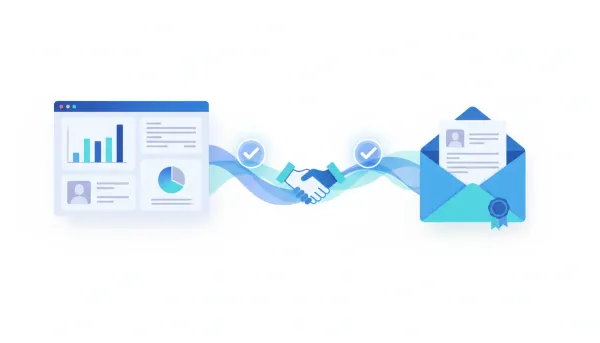
Think of the welcome badge as the handshake you give a learner on day one. It is part reward, part recognition, and part onboarding tool. Because HighLevel courses can now auto-issue a badge upon enrollment, you can integrate this into broader CRM and automation strategies:
- Immediate social proof: Learners receive a badge that signals progress and connection to your brand.
- Triggerable automations: Use the enrollment event to kick off workflows—welcome emails, SMS, tasks for account managers, and more.
- Brand continuity: Use built-in badges or your own templates so the welcome feels custom and on-brand.
- Frictionless gamification: Starting rewards early increases the chance learners will come back for the next step.
Setting it up in HighLevel (conceptual steps)
The setup is intentionally simple so it becomes a natural part of course creation. The exact UI labels may vary slightly depending on your account, but the flow looks like this:
- Create or open the course you want to edit in the HighLevel course builder.
- Locate the course settings for enrollment and badges.
- Select a badge to be issued on enrollment. This can be one of the built-in options or a badge you have created as a template.
- Save and publish the course. From now on, anyone who enrolls receives that welcome badge automatically.
Because badges are treated as part of the learning product, they’re flexible. Use a universal badge for a consistent brand experience across courses or tailor a unique badge per course to highlight different learning paths.
Practical automations and workflows to pair with a welcome badge
Welcome badges shine most when they are part of a coordinated automation strategy. Here are practical workflows you can implement in HighLevel to get more impact from issuing welcome badges.
1. Welcome sequence with multi-channel touchpoints
- Trigger: Enrollment event issues a welcome badge.
- Action: Send a personalized welcome email that highlights the badge and what it means.
- Action: Follow with an SMS reminder 24 hours later to prompt first module completion.
- Outcome: Higher initial module completion rates and faster time to first engagement.
2. Onboarding task assignment for account management
- Trigger: Enrollment issues badge and adds a tag in CRM.
- Action: Create an internal task in HighLevel to assign an onboarding call to an account manager.
- Outcome: Personal touch backed by automation—great for high-value clients or agency-managed accounts.
3. Gamified milestone funnel
- Trigger: Welcome badge issued at enrollment.
- Action: After they complete the first module, automatically award a “First Step” badge and send a congrats email with next steps.
- Outcome: Structured reward progression encourages continued course completion and keeps learners motivated.
4. Sales and retention signals
- Trigger: Enrollment tag opens a CRM pipeline or adds a contact to a nurture campaign.
- Action: Monitor badge recipients for upsell opportunities and long-term nurture.
- Outcome: Badges help segment learners for targeted offers and re-engagement campaigns.
Designing badges that actually boost engagement
A badge is more than an image. It is a communication tool. Thoughtful badge design and naming can shape behavior.
- Be meaningful: Give the badge a name and description that sets expectations, like “Welcome Explorer” or “Course Access Granted.”
- Keep it on brand: Make sure colors, fonts, and iconography align with your agency or program identity.
- Use tiers sparingly: Reward progression with tiered badges, but avoid creating too many early milestones that dilute the value.
- Make it shareable: Encourage learners to share the badge on social networks or in community channels, driving organic visibility.
If you use Nexus Hub templates or create badge templates in HighLevel, you can iterate quickly and test which badge designs drive the most engagement.
Measuring success and optimizing
Adding a welcome badge is easy, but understanding its impact requires measurement. Track these metrics to see how the badge affects your learning funnel:
- First module completion rate: Compare cohorts that received the welcome badge with prior cohorts.
- Time-to-first-action: Measure how quickly learners take their first meaningful action after enrolling.
- Course completion and dropout rates: Are learners staying longer or dropping off less often?
- Engagement with follow-up automations: Open and click rates on welcome emails, response rates to SMS, and engagement within community channels.
Use HighLevel reporting and CRM tags to segment these cohorts. If you’re experimenting, A/B test different badge names, artwork, and the timing of follow-up messages to see what combination lifts the metrics you care about.
Use cases and who benefits most
Welcome badges are versatile. Here are common scenarios where this feature creates real value:
- Agencies onboarding new clients: Issue a badge as soon as a client enrolls into a training track to mark the beginning of the partnership.
- SaaS companies onboarding users: Reinforce onboarding steps with badges that indicate progress through setup milestones.
- Course creators and coaches: Create a warm start for learners to increase initial momentum and reduce early churn.
- Internal training programs: Use badges to recognize employees when they begin a required training, then track completion back into HR systems.
Best practices for agencies using HighLevel
For agency owners and teams running multiple training programs, a few practical best practices help scale this feature effectively:
- Standardize badge templates: Create a small set of reusable badge templates in Nexus Hub or in your account. Consistency makes badges recognizable across programs.
- Automate tagging: When a badge is issued, automatically tag contacts with the course name and enrollment date so CRM segments stay accurate.
- Combine badge issuance with workflows: Link badges to welcome sequences, tasks, and nurture pipelines so the experience is warm, timely, and actionable.
- Track outcomes: Add dashboard metrics to measure badge-driven engagement. Feed those insights back into course design and automation tweaks.
- Keep creative but simple: Early gamification is effective when it feels earned but not overwhelming. A single meaningful welcome badge often outperforms a cluttered badge system.
Common pitfalls to avoid
A welcome badge is a small win, but if it is mishandled it can become background noise. Avoid these common mistakes:
- Over-awarding at the wrong time: If you give too many badges for trivial actions, their perceived value drops.
- Poor integration with CRM: Failing to tag or log badge issuance means missed opportunities to follow up in sales and support workflows.
- Lack of follow-up: A badge without a clear next step or supportive communication won’t move the needle on retention.
- Inconsistent design: Random-looking badges reduce trust and brand cohesion. Standardize visual language for credibility.
Examples of quick implementation ideas
If you want to roll out welcome badges fast, try these lightweight implementation ideas that deliver immediate value:
- Starter kit bundle: Issue a welcome badge and immediately send a “starter kit” email with top tips, a community link, and your schedule of live sessions.
- Exclusive resource unlock: Tie a small downloadable resource to the welcome badge—checklists, swipe files, or a short mini-course.
- Personalized onboarding call: For premium cohorts, use badge issuance to trigger a calendar invite for a kickoff call.
- Community badge channel: Create a community channel where recent badge recipients introduce themselves and get a free icebreaker.
How this update supports scaling agency operations
For agencies scaling training across multiple clients, the welcome badge becomes a tool in the operational toolkit. By making recognition automatic, agencies reduce manual onboarding steps, create predictable experiences across accounts, and free up team time for high-value client work.
The Complete Operating System for Growth
Join over 60,000+ agencies and businesses using HighLevel to capture more leads and close more deals. Start your trial today and get instant access to the Nexus Hub resources.
Claim Your Free Trial & BonusesWhen combined with HighLevel workflows and automations, badges enable consistent handoffs between marketing, sales, and delivery teams. That consistency improves client satisfaction, shortens time to value, and supports repeatable processes across your agency offerings.
Design, test, and iterate
Like any customer-facing feature, badges benefit from iteration. Start with a simple badge that reflects your brand and learning promise. Deploy it across a small set of courses, measure outcomes, and then iterate on:
- Badge art and naming
- Follow-up sequencing and cadence
- Additional automations tied to the enrollment event
Use HighLevel reporting and CRM segmentation to see which approaches increase early engagement and flow those learnings into other courses.
Next steps and recommended actions
- Choose a simple welcome badge design and add it to your most important course.
- Create a short welcome sequence in HighLevel that references the badge and offers a clear next action.
- Tag enrolled contacts and create a dashboard to measure first-step engagement and completion rates.
- Iterate based on results: tweak badge design, messaging, and follow-up timing.
If you are building out a broader training program or scaling agency operations, consider using Nexus Hub templates for badge artwork and course blueprints to speed implementation.
Frequently asked questions
How does the welcome badge get issued?
The welcome badge is automatically issued when a learner enrolls in a course. Enrollment acts as the trigger that assigns the selected badge to the learner without any manual steps.
Can I use a custom badge template or am I limited to built-in options?
You can use built-in badges or any custom badge templates you have created. Custom templates allow you to keep badges on brand and tailor the visual language across different programs.
Will issuing a welcome badge trigger automations in my HighLevel funnels?
Yes. Badge issuance can be tied into HighLevel workflows and automations. Use the enrollment event or a badge-issued tag to trigger welcome emails, SMS, CRM tagging, task assignments, and pipeline actions.
Does the welcome badge count as course completion or certification?
No. The welcome badge is meant to acknowledge enrollment and kick off engagement. It is not a course completion certificate. Use separate completion badges or certificates for milestones like finishing a module or passing an assessment.
Can I assign different welcome badges to different courses?
Yes. You can assign a unique welcome badge per course so each learning path can have its own identity and tone.
How can I measure whether welcome badges improve engagement?
Track metrics like time-to-first-action, first module completion rate, and course completion. Segment learners who received the badge and compare behavior to prior cohorts. Use HighLevel reporting, CRM tags, and dashboards for these comparisons.
Wrap-up and short call to action
Small, thoughtful touches like a welcome badge move the needle when they are part of a coordinated experience. They make the onboarding journey feel intentional and give learners a reason to act early.
If you manage training or client onboarding through HighLevel, try enabling a welcome badge for a key course and pair it with a short automation sequence. For agencies scaling operations, standardize badge templates and automation patterns across your offerings to create consistent, high-quality onboarding at scale.
Ready to streamline onboarding and boost early engagement? Consider starting a HighLevel free trial to test welcome badges in your workflows and explore Nexus Hub resources for badge templates and proven course blueprints.
The Complete Operating System for Growth
Join over 60,000+ agencies and businesses using HighLevel to capture more leads and close more deals. Start your trial today and get instant access to the Nexus Hub resources.
Claim Your Free Trial & Bonuses